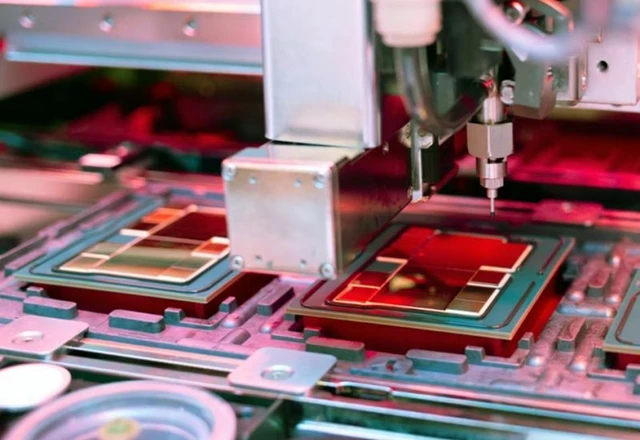
The global AI boom has placed an unprecedented strain on the world's hardware infrastructure. TSMC, effectively the sole guarantor of semiconductor advancement, is grappling with a paradox: even aggressive capacity expansion cannot keep pace with market appetite. Despite record-breaking investments, the chasm between manufacturing capabilities and actual demand continues to widen. This situation exposes a systemic bottleneck inherent to the entire modern digital economy.
The contemporary technological landscape has become tethered to a single player. TSMC, the world's largest semiconductor foundry, is currently navigating the most aggressive expansion phase in its history. Yet, the scale of the challenge is so immense that even a radical overhaul of equipment procurement strategies has failed to fully satisfy client demand.
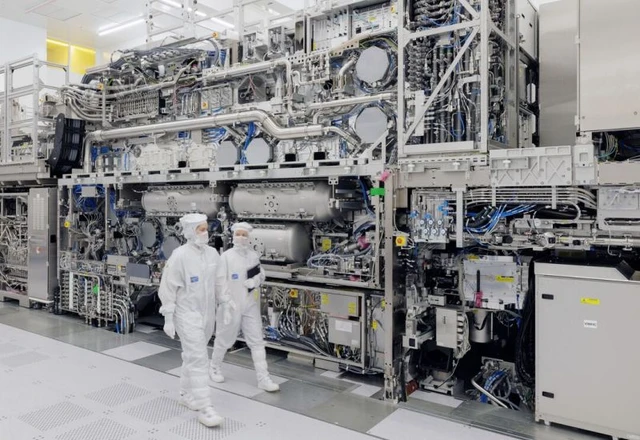
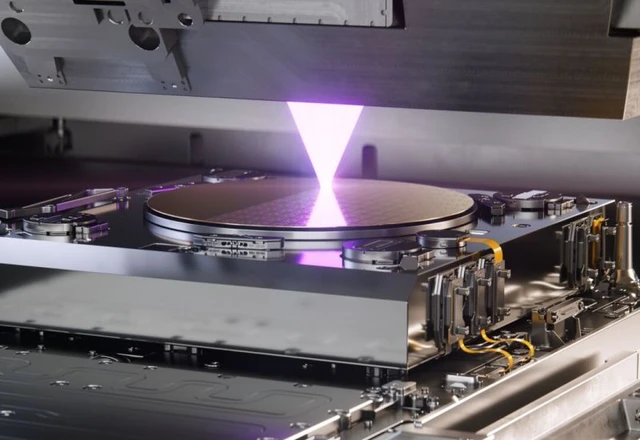
The situation has reached a breaking point: since the end of last year, TSMC's requirements for specialized chip-making equipment have effectively doubled relative to initial forecasts. In practice, quarterly procurement volumes have had to nearly double compared to figures that seemed sufficient as recently as December. The bottleneck lies in the most sophisticated lithography systems, the supply of which is constrained by the physical production capacities of equipment manufacturers like ASML.
The sheer scale of current construction is staggering. The company is simultaneously erecting and equipping twenty new facilities, both within Taiwan and abroad. In the semiconductor industry, where launching a single fab requires colossal resources and surgical precision, such a pace is unprecedented. Historically, capacity expansion occurred at a rate four or five times slower; yet, even this record-breaking surge has not allowed TSMC to fully close the product deficit.
The primary driver of this "insatiable appetite" is the leadership in the AI accelerator market, namely Nvidia and AMD. These companies are constantly scaling their orders, effectively rewriting demand forecasts in real-time. For instance, Nvidia projects its own revenue growth for the coming year at 70%, which automatically translates into a proportional increase in the load on TSMC's production lines.
The severity of the crisis is echoed by the industry's C-suite. At the Semicon Taiwan 2026 conference, MediaTek Chairman Rick Cai openly appealed to TSMC leadership to allocate more capacity, underscoring a pervasive sense of urgency among chip designers.
The economic disparity is becoming increasingly stark. American tech giants are prepared to invest approximately $800 billion into expanding computing infrastructure, which inevitably triggers massive semiconductor procurement. Meanwhile, TSMC's own capital expenditures for the current year are estimated between $60 billion and $64 billion. While impressive, this sum appears insufficient against the backdrop of a global infrastructural paradigm shift toward neural computing.
Ultimately, the industry has encountered a fundamental systemic challenge: the pace of software evolution and AI model development is significantly outstripping humanity's physical capacity to build factories and manufacture silicon wafers.
 The Horizon of China's Technological Sovereignty in Lithography