The mobile industry is entering a phase of deep integration, where generative AI is being baked directly into the silicon. The benchmark for modern flagships has shifted; it is no longer defined simply by clock speeds, but by the system's capacity to manage immense thermal loads. The Motorola Signature 27 embodies this philosophy, pairing uncompromising hardware with a robust, long-term support strategy. This device signals a paradigm shift in performance, where the hardware serves as the essential foundation for sophisticated neural network operations.
The announcement at the Snapdragon Summit served as the catalyst for a new chapter in the brand's trajectory. The Motorola Signature 27 is far more than just another flagship; it is the world's first smartphone powered by the Qualcomm Snapdragon 8 Elite Extreme Gen 6. The shift in the model's numerical indexing underscores a systemic strategic pivot: the final two digits now serve as a definitive generational identifier, establishing a transparent and consistent device hierarchy.
The primary engineering hurdle when deploying such a potent chipset is thermal management. To mitigate throttling and ensure the stability of neural networks and resource-intensive gaming, engineers have developed the ArcticMesh cooling system. This is a sophisticated technological stack where traditional methods are augmented by cutting-edge materials: diamond-particle thermal gel and liquid metal components ensure maximum heat transfer efficiency. Coupled with a copper mesh and a redesigned vapor chamber—which has expanded by 40% over its predecessor—the system allows the device to sustain peak performance even under extreme workloads.
The software architecture of the Signature 27 is engineered for longevity and cognitive intelligence. A commitment to seven years of OS updates elevates the smartphone from a disposable commodity to a long-term investment. At the heart of this experience is the Google Gemini ecosystem, transforming the device into a comprehensive AI assistant. The integration of Lyria technology unlocks music generation capabilities, while the Gemini Omni model enables the creation of video content based on text descriptions or existing samples, effectively migrating professional-grade editing studio capabilities into the user's pocket.
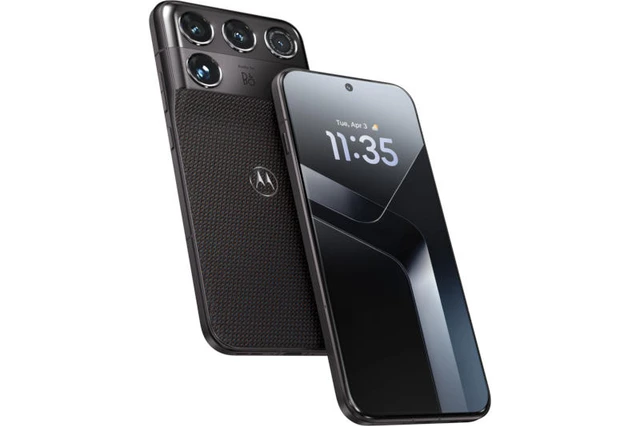
The device's imaging array is designed for those with uncompromising standards for visual quality. The primary sensor is a 50-megapixel Sony LYTIA 910, working in tandem with a staggering 200-megapixel periscope telephoto lens. The intelligent processing layer is handled by the Motorola Video Enhancement Engine—a system that analyzes scenes in real-time to calibrate color tones. Technical precision is ensured via hybrid stabilization: Qualcomm's electronic algorithms are complemented by optics with a 3.5° correction angle, minimizing shake even during high-dynamic shooting.
The aesthetics and ergonomics of the Signature 27 have been crafted with a keen focus on tactile experience. A collaboration with Pantone has resulted in two fundamentally different personas. The "Coal Smoke" variant, featuring a Tactical Weave texture, evokes the aesthetic of modern automotive design and high-tech gear, emphasizing rigor and power. In contrast, the "Capulet Green" version with textile trim evokes a sense of comfort and softness. Completing the premium profile is an acoustic system by Bang & Olufsen, guaranteeing reference-grade sound.
The device is slated for release by the end of the current year, positioning it as a primary contender for the title of the season's most technologically advanced smartphone. While full specifications and pricing are yet to be disclosed, it is already evident that Motorola is betting on a symbiosis of extreme power and intelligent comfort.
 Qualcomm’s New Standard for Mobile Performance