The global AI explosion has ignited a veritable "gold rush" in the race to develop specialized hardware. While billions in capital have spawned hundreds of startups, the market has proven far more consolidated than the optimists initially predicted. It is becoming increasingly evident that raw silicon performance is no longer the primary determinant of success. Instead, the spotlight has shifted toward the software ecosystem—the critical layer that transforms Nvidia's technological edge into a nearly insurmountable moat for its competitors.
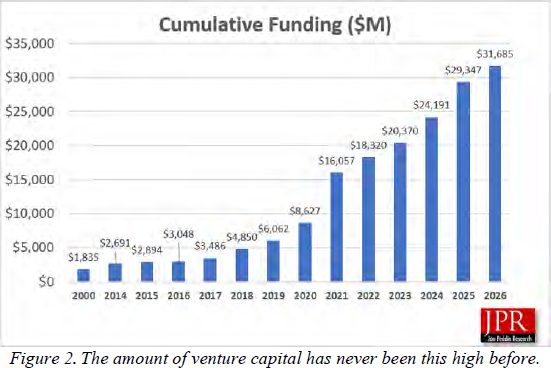
The trajectory of the modern AI accelerator market mirrors the classic cycle of a technological bubble: a meteoric rise, boundless optimism, and a subsequent, brutal collision with reality. Between 2012 and 2018, the number of companies developing specialized neural network chips surged by 267%. This explosion was fueled by the GPU's evolution from a gamer's tool into a fundamental building block of server architecture. Sensing a paradigm shift, investors poured over $31 billion into the sector, hoping to engineer a viable alternative to the dominant solutions.
However, capital injections did not guarantee market viability. By 2019, Nvidia had effectively constructed an "ecosystem moat" that proved far deeper than mere differences in clock speeds or core counts. The critical factor was the CUDA software environment, which became deeply embedded in the workflows of data centers and research labs. For the customer, switching hardware is not simply a matter of swapping boards; it entails a painful overhaul of the entire software stack, making the cost of migration prohibitively high. This inertia propelled the leader's market capitalization to soar, crossing the trillion-dollar threshold by May 2023.
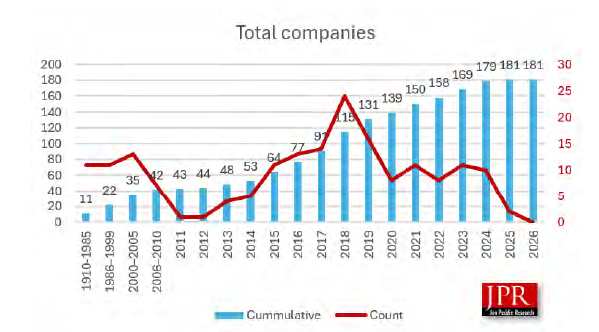
The paradox of the current landscape is that chip supply is growing significantly faster than the pool of buyers willing to abandon proven solutions. The massive influx of investment since the turn of the century has created a surplus of vendors now fighting for narrow market segments. In this struggle, "raw performance" has ceased to be the primary differentiator. Today, clients prioritize compatibility and seamless integration into existing infrastructure—areas where Nvidia remains virtually peerless.
Under intense market pressure, it has become evident that direct competition in the Large Language Model (LLM) training segment is a recipe for rapid resource depletion. In this niche, the dominant player's grip is nearly absolute. To survive, other participants must either pursue consolidation and mergers or seek sanctuary in highly specialized verticals where the giant's influence is less pervasive.
The most promising frontiers are autonomous control systems for robotics and self-driving vehicles, as well as the Internet of Things (IoT). In these domains, energy efficiency and local data processing are far more critical than the sheer brute force of server clusters.
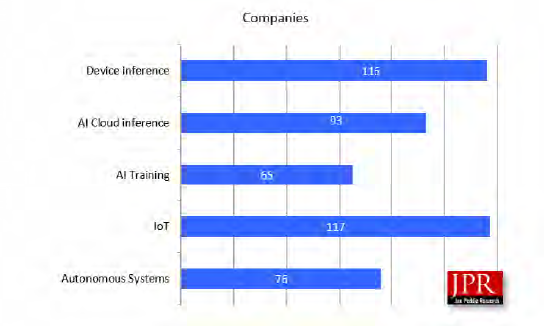
A strategic pivot toward inference—the process of deploying a pre-trained model to generate outputs—is becoming the primary lifeline for most developers. It is here, at the edge and within end-user devices, that a new market is emerging. Current estimates suggest that approximately 67% of all AI chip companies have already pivoted toward inference and IoT.
The final verdict on the viability of alternative players will be delivered by 2028. By then, the market will have undergone a profound cleansing, leaving only those who managed to offer unique value outside Nvidia's direct sphere of influence.
 Qualcomm’s New Standard for Mobile Performance