7 Jul 2026
 A Cosmic Ascent from the Tibetan Highlands
For decades, the prohibitive cost of accessing near-Earth space has remained the primary bottleneck hindering humanity's full-scale expansion into the cosmos. Conventional chemical propulsion systems demand an astronomical amount of propellant simply to fight gravity and punch through the dense layers of the atmosphere. Chinese engineers are proposing a radical alternative: leveraging electromagnetic acceleration technology in synergy with the unique geography of the Tibetan Plateau. This approach aims to replace the most capital-intensive phase of launch with a high-tech "slingshot," potentially slashing launch costs by an order of magnitude.
7 Jul 2026
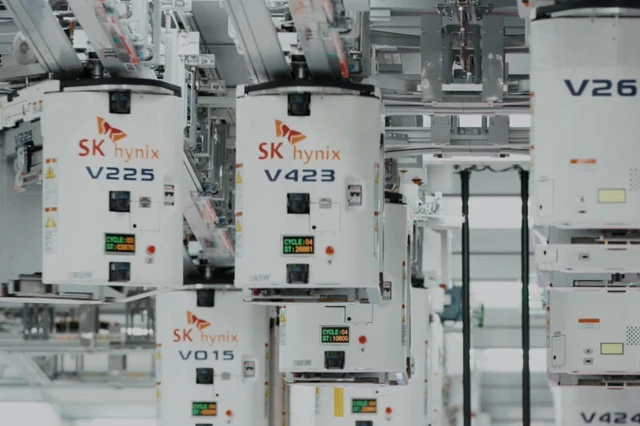 South Korea’s Breakthrough in Semiconductor Manufacturing
The global AI surge has triggered an unprecedented shortage of high-performance memory, elevating semiconductors to the status of a strategic resource for the digital age. In response, South Korea’s tech titans are deploying a sweeping strategy designed to fortify their industrial sovereignty. The multi-billion dollar investments poured into Samsung and SK hynix are intended to do more than merely expand manufacturing capacity; they are a calculated move to cement the region's dominance within the global supply chain. This shift signals the dawn of a new phase in the hardware arms race—one where the competitive edge lies in the synergy between raw production power and cutting-edge chip packaging techniques.
7 Jul 2026
 Tesla Regains Sales Momentum
The global electric vehicle market has entered a cooling phase, compelling even the industry's tech titans to recalibrate their survival strategies. Against this backdrop, Tesla’s latest performance metrics emerge as more than mere statistical wins; they signal a potential pivot in the long-term trajectory of the market. The surge in second-quarter deliveries underscores the company's agility in adapting to shifting economic realities and its capacity to identify new catalysts for growth. This momentum prompts a reassessment of the viability of the brand's aggressive expansion strategy amidst the stagnation of its core markets.
7 Jul 2026
 The E Ink Aesthetic in the Steam Machine
Valve continues to push the envelope of gaming system customization, reimagining hardware as a canvas for technical ingenuity. The release of the Inkterface project empowers users to engineer their own information hubs leveraging e-ink technology. This move underscores the open-source ethos of SteamOS and Valve's commitment to fostering the global maker community. Consequently, the Steam Machine transcends its role as a mere console, evolving into a platform for sophisticated engineering modifications.
7 Jul 2026
 Samsung's Aggressive Pricing Strategy in the DRAM Segment
The global semiconductor market is entering a phase of aggressive price correction, fueled by component shortages and the insatiable demands of the AI industry. At the heart of this shift is Samsung, which is pivoting toward a strategy of significant price hikes for its product lineup. The company's push to drive up average DRAM prices in the third quarter underscores a systemic imbalance between supply and demand—a strategic move that could redefine the trajectory of the entire consumer and server electronics ecosystem in the near future.
7 Jul 2026
 The Evolution of Samsung's Mobile Form Factors
The mobile industry is steadily evolving beyond the era of basic foldables, pivoting toward more radical architectural transformations. Samsung is placing its bets on rollable display technology—an innovation poised to finally dissolve the boundary between the compact smartphone and the full-scale tablet. The focus has shifted from the mere flexibility of materials to the intricate engineering of surface deployment. This transition marks a new chapter in the quest for the definitive equilibrium between portability and raw functionality.
7 Jul 2026
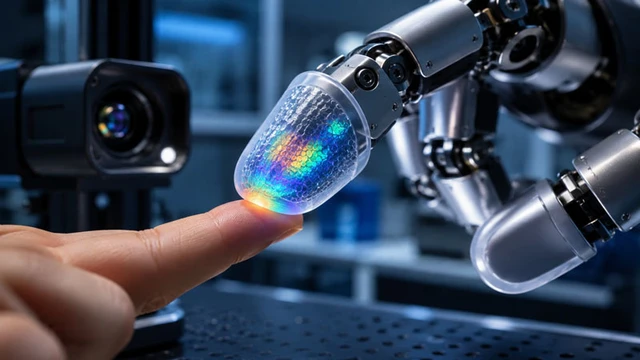 Visualizing Touch in Modern Robotics
Tactile perception remains one of the most formidable challenges in modern robotics, highlighting a profound disparity between biological precision and mechanical execution. Conventional approaches to simulating touch typically fall into two traps: they either demand prohibitive computational overhead or suffer from inadequate resolution. Researchers at Queen Mary University of London have devised an elegant solution by bridging the gap between optics and materials science. This innovation allows robots to literally "see" touch, translating physical pressure into a dynamic color map. Such an approach paves the way for the development of robotic manipulators with a level of sensitivity that rivals the human touch.
7 Jul 2026
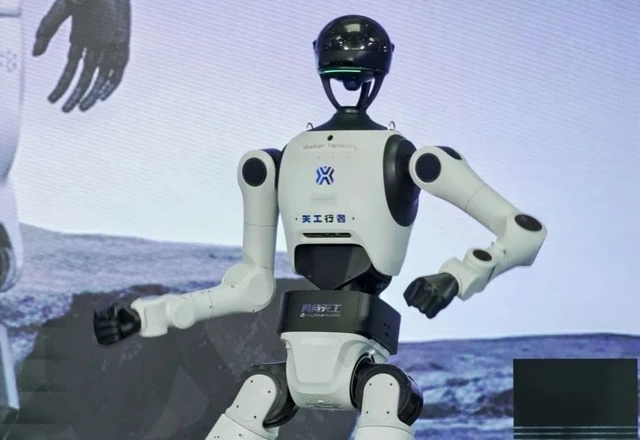 The Safe Integration of Robotics into Human Environments
The vision of humanoid assistants integrated into our daily lives is rapidly evolving from the realm of science fiction into a tangible market reality. Yet, beneath the polished veneer of tech giants' keynotes lies a fundamental friction: the clash between the rigid, deterministic logic of machines and the chaotic unpredictability of human behavior. Given the sheer physical mass and mechanical complexity of modern robotics, even a minor software glitch can escalate into a significant safety hazard for those in the vicinity. For this coexistence to become a seamless norm, the industry must fundamentally reimagine the core principles of human-machine interaction.
7 Jul 2026
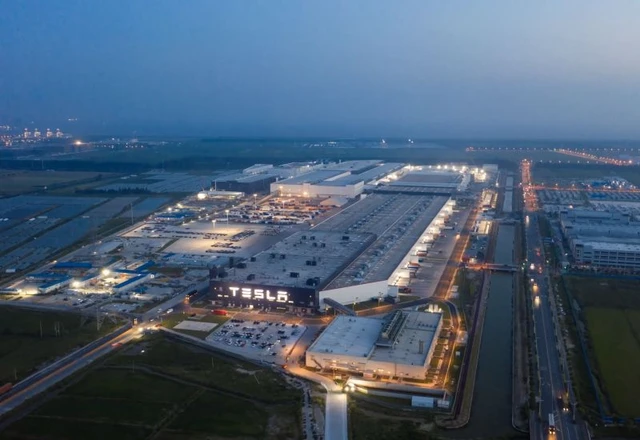 Tesla's Shifting Production Balance
For years, Giga Shanghai was hailed as the benchmark of operational efficiency and the primary engine fueling Tesla's global expansion. However, recent data reveals a tectonic shift in the company's delivery architecture. For the first time in years, the share of Chinese production in Tesla's global output has fallen below the critical 30% threshold. This trend exposes a widening chasm between the brand's global momentum and stagnating demand in the world's most dynamic electric vehicle market.
7 Jul 2026
 The Triumph of Memory in the Age of Generative AI
The global semiconductor market is undergoing a tectonic shift, as artificial intelligence evolves from a mere trend into the primary catalyst for hardware demand. Samsung Electronics has emerged at the epicenter of this transformation, reporting phenomenal financial growth. The company's current profit trajectory reflects a fundamental realignment of priorities within the computing industry: memory is rapidly becoming the most critical asset in the race to develop autonomous AI agent systems.
7 Jul 2026
 AMD is Reshaping the Landscape of Japanese Autonomous Driving
For years, Nvidia has maintained an uncontested stranglehold on the AI accelerator market for autonomous transport. Yet, the pursuit of technological sovereignty and the imperative for cost optimization are compelling ambitious industry players to explore alternatives. In a calculated strategic move, the Japanese startup Turing is integrating AMD solutions into its AI training infrastructure—an alliance that signals the dawn of a new chapter in the high-stakes race for supremacy within the autonomous driving sector.
7 Jul 2026
 The Samsung Growth Paradox in the Age of AI
The global semiconductor market is currently gripped by a state of feverish anticipation, driven by the meteoric rise of artificial intelligence. Samsung Electronics, one of the primary beneficiaries of this boom, has posted a staggering 19-fold increase in operating profit. Yet, the stock market's paradoxical reaction—sending shares tumbling—has exposed a deep-seated skepticism among investors. This disconnect serves as a critical bellwether, signaling how the market is weighing the long-term sustainability of the AI industry.
