The contemporary smartphone industry has reached a stalemate, offering a stark choice between the overwhelming luminosity of OLED panels and the rigid asceticism of electronic ink. Striking a balance between ocular wellness and the demand for a rich multimedia experience has emerged as a pivotal challenge for today's tech innovators. Hisense is proposing a radical departure from the norm, fusing the energy efficiency of E Ink with the versatility of traditional display architectures. The new Hisense A10 aims to redefine how users engage with content by bifurcating the experience into distinct functional and entertainment streams.
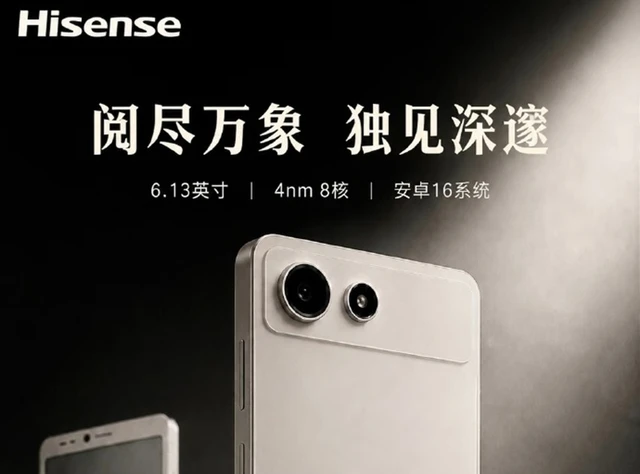
The concept of digital detox and ocular health is steadily migrating from the realm of niche pursuits into the sphere of mass consumer demand. Against this backdrop, Hisense is preparing to launch the A10—a device designed to resolve the fundamental tension between the comfort of reading and the necessity of engaging with color content. The centerpiece of this approach is a 6.13-inch monochrome E Ink display. By mimicking physical paper and emitting virtually no light, these panels drastically reduce retinal strain during prolonged use while delivering exceptional battery longevity.
Recognizing the inherent limitations of electronic ink regarding video playback and social media, Hisense is implementing a bold modular strategy. The smartphone will support an auxiliary LCD screen that attaches to the rear panel via magnets. This engineering augmentation transforms the device from a strict "reading" gadget into a fully realized multimedia hub. Current data suggests this display may be available as a standalone accessory; notably, brands like Vamvo already offer similar solutions priced around $47.
The technical internals of the Hisense A10 represent a quantum leap over its predecessors. The device is powered by an octa-core Qualcomm chip built on a 4-nanometer process. Analysts speculate that this is the flagship Snapdragon 8 Gen 3, elevating the A10 from a specialized tool to a high-performance computing instrument. With 5G connectivity, Wi-Fi 6 support, and Android 16, the smartphone is future-proofed for years, effectively blurring the line between an "e-reader with phone capabilities" and a contemporary flagship smartphone.
To appreciate the scale of this evolution, one only needs to look at its predecessor, the Hisense A9 released in 2022. That model was far more modest, pairing a 6.1-inch 300 PPI screen with a Snapdragon 662 processor and a price tag of approximately $265. Even the updated A9 version released in 2025 with expanded memory remained firmly within the mid-range segment.
The anticipated price of the Hisense A10—roughly $590—reflects a strategic shift in product positioning. It is no longer merely an experiment for enthusiasts, but a premium device offering a unique synergy of two distinct visual experiences. By combining high-performance hardware with a modular screen system, Hisense has created a product that ensures users no longer have to choose between ocular health and technological progress.
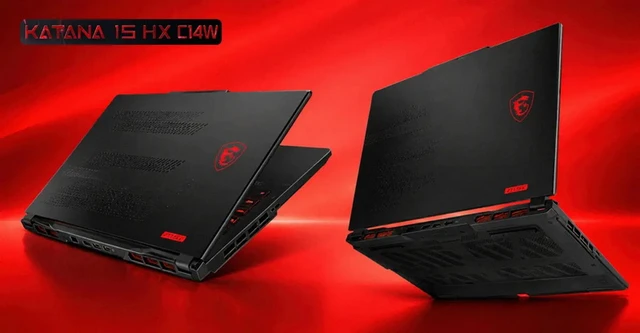 MSI Katana 15 HX and the Memory Paradox