3 Jul 2026
 The Digital Standoff: Anthropic vs. Alibaba
The global AI arms race has evolved beyond a mere battle over raw compute; it has morphed into a theater of corporate espionage and reciprocal allegations. Alibaba's recent prohibition of Claude Code within its ecosystem has laid bare a profound crisis of confidence between the architects of frontier AI models and their most significant enterprise clients. The discovery of clandestine monitoring mechanisms—a technical breach that served as the flashpoint—has ignited an overt conflict intersecting national security concerns and the protection of intellectual property. This episode underscores the precarious equilibrium between the utility of advanced developer tooling and the stringent mandates of corporate security.
3 Jul 2026
 The Evolution of Analytical Capabilities in ClickHouse 26.6
Modern data processing systems are evolving beyond mere storage, transforming into dynamic computational environments. With the release of version 26.6, ClickHouse takes a decisive step toward bridging the gap between raw data and deep analytics. By integrating predictive optimization tools, stream processing, and native support for vector computations, this update transforms the database into a versatile engine capable of powering the most demanding workloads in today's enterprise IT landscape.
3 Jul 2026
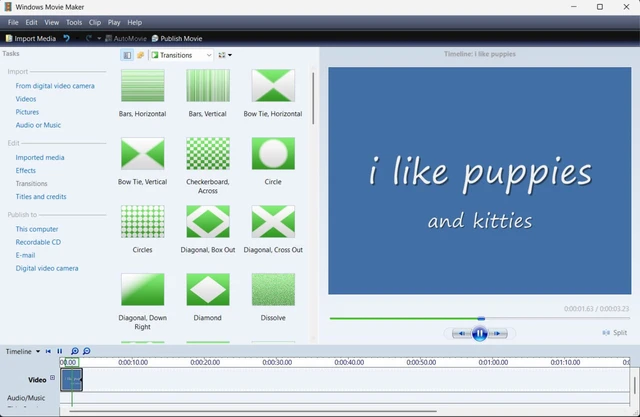 The Rebirth of Windows Movie Maker
The dawn of user-generated content was not heralded by high-end production suites, but by accessible tools available to the masses. Long before the ascent of TikTok and CapCut, it was these rudimentary editors that forged the internet’s visual vernacular, schooling millions in the fundamentals of digital storytelling. Today, a longing for this functional minimalism is colliding with the technical curiosity of the modern user. The revival of one such tool on contemporary operating systems brings to the fore a critical tension: the delicate balance between intuitive simplicity and robust cybersecurity.
3 Jul 2026
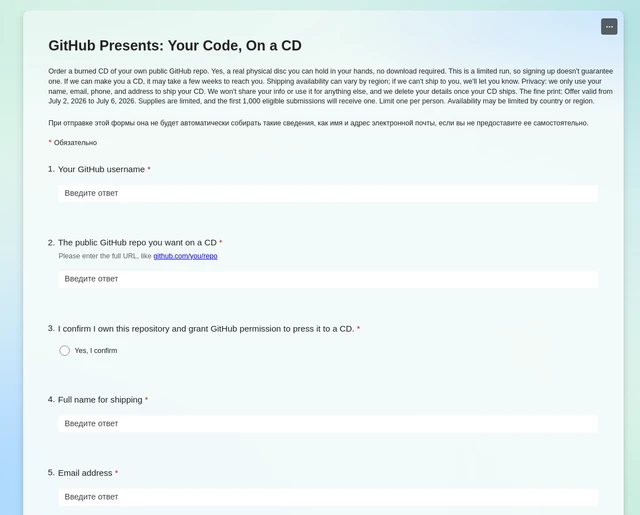 A Manifesto for Tangibility in the Digital Age
The modern tech landscape is hurtling toward the total dematerialization of content, systematically replacing true ownership with the mere leasing of access. Sony’s decision to phase out physical media for PlayStation marks another milestone in the twilight of the disc era. In a striking counter-response to this trend, GitHub has introduced an unexpected and deeply symbolic gesture: a proposal to migrate source code from the cloud back onto CD-ROMs. This move underscores a fundamental tension regarding ownership rights within our current era of digital ephemerality.
3 Jul 2026
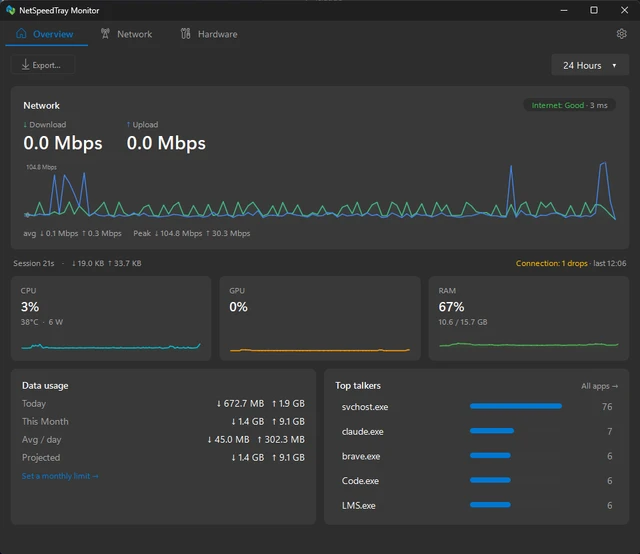 Seamless Network Monitoring for Windows
Real-time network traffic monitoring often necessitates a delicate balance between data granularity and interface stability. Most third-party Windows widgets are plagued by integration flaws, frequently flickering or becoming obscured by system elements during interactions with the OS shell. NetSpeedTray 2.0 resolves these issues by fundamentally reimagining the logic governing the interaction between its graphical layer and the taskbar. Consequently, the tool transcends the role of a standard application, evolving into a seamless extension of the user interface.
3 Jul 2026
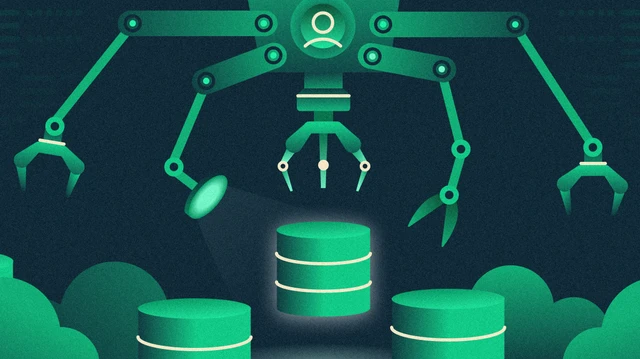 Configuration as Data vs. Templating
Modern cloud resource orchestration is grappling with a fundamental tension: the trade-off between template flexibility and deployment predictability. In the pursuit of automated delivery, the industry has frequently leaned toward convoluted abstraction layers—systems that obscure visibility, complicate auditing, and heighten the risk of critical failures in production environments. Enter kpt, a recent addition to the CNCF Sandbox, which proposes a radical departure from this impasse by fundamentally shifting the management paradigm. By pivoting from "Configuration as Code" to "Configuration as Data," kpt restores transparency and grants operators absolute control over the cluster's state.
3 Jul 2026
 The End of the DVD Era in the Apple Ecosystem
The migration from physical media to streaming and cloud-based storage represents one of the most profound technological pivots of the past decade. For years, Apple has systematically phased out optical drives from its hardware ecosystem, conditioning users toward a purely digital content consumption model. This evolution has now permeated the system code itself; DVD support is no longer a foundational element of the operating system. This move signals a definitive rupture with the era of physical media on the Mac platform.
2 Jul 2026
 Android 17: A Radical Overhaul of Access Security
For decades, mobile security has been a precarious balancing act between user convenience and defense against intrusion. Historically, operating systems have been overly permissive regarding input errors—a leniency that inadvertently created vulnerabilities ripe for brute-force attacks. With Android 17, Google is fundamentally shifting this paradigm by implementing stringent limits on unlock attempts. Data integrity has now become the primary directive, taking precedence over the traditional convenience afforded when a user accidentally forgets their passcode.
2 Jul 2026
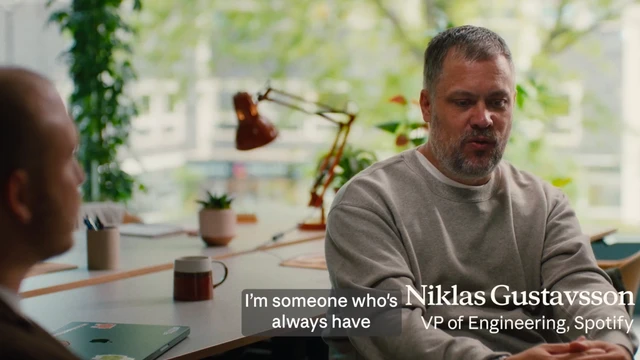 The Metrics Trap and the Phenomenon of Token-Maxing
The modern software development landscape is undergoing a peculiar evolution, one where quantitative metrics are increasingly eclipsing qualitative outcomes. When executives at tech giants tout thousands of daily deployments, it prompts a critical question: what is the actual value delivered to the end user? The Spotify case has laid bare a profound disconnect between internal efficiency KPIs and tangible product evolution. This serves as a catalyst for a broader conversation about an emerging industry trend—the drive toward the conspicuous consumption of computing resources.
2 Jul 2026
 The Invisible Trace Within Anthropic’s Code
The boundary between security enforcement and covert surveillance within the AI industry is becoming increasingly porous. A recent controversy surrounding Claude Code has exposed the clandestine tactics companies employ to maintain control over their products, often bypassing their own official public disclosures. The discovery of a hidden user-tagging mechanism has ignited a broader debate regarding the trust placed in development tools that demand deep system-level access. This incident underscores the sheer sophistication of the measures being deployed to combat industrial espionage and model distillation.
2 Jul 2026
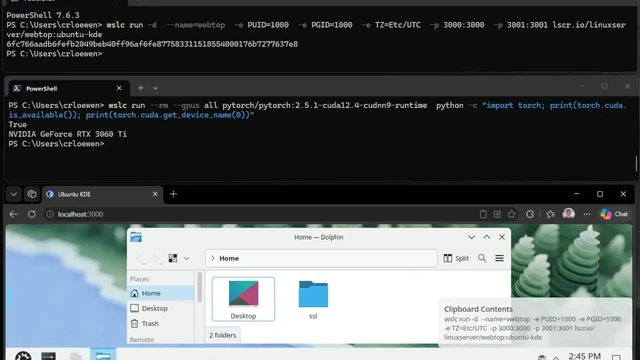 Autonomous Execution of Linux Containers in WSL
The boundary between Windows and Linux has become virtually seamless in recent years, transforming the developer’s workstation into a versatile sandbox. Microsoft is taking another strategic leap forward by embedding native containerization support directly within the WSL subsystem. Consequently, the pursuit of environment isolation and streamlined deployment no longer hinges on cumbersome third-party abstractions. This initiative effectively redefines Windows as a high-performance orchestration layer for the Linux toolchain.
2 Jul 2026
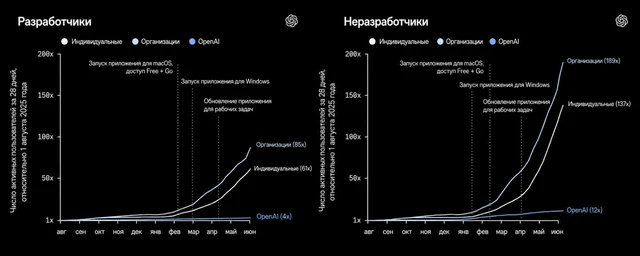 The Transformation of AI: From Digital Assistant to Autonomous Agent
The boundary between artificial intelligence as a prompt-driven tool and a fully autonomous agent is rapidly eroding. Recent data from OpenAI regarding Codex usage reveals a fundamental shift: users are moving beyond requesting isolated code snippets and are instead delegating complex, end-to-end tasks. This transition is redefining the very nature of intellectual labor within software engineering and its adjacent disciplines. The primary value proposition is shifting away from the manual act of writing code toward the high-level capacity to orchestrate sophisticated processes.
