The modern software development landscape is undergoing a peculiar evolution, one where quantitative metrics are increasingly eclipsing qualitative outcomes. When executives at tech giants tout thousands of daily deployments, it prompts a critical question: what is the actual value delivered to the end user? The Spotify case has laid bare a profound disconnect between internal efficiency KPIs and tangible product evolution. This serves as a catalyst for a broader conversation about an emerging industry trend—the drive toward the conspicuous consumption of computing resources.
Claims from Spotify’s engineering leadership regarding an unprecedented 4,500 deployments per day—attributed to the integration of AI tools—have sparked a polarized reaction within the professional community. At first glance, such deployment frequency suggests peak CI/CD (Continuous Integration and Continuous Delivery) maturity and a gold standard of automation. However, for seasoned developers, these figures read more like statistical noise than genuine progress.
A critical analysis reveals a stark paradox: despite the colossal volume of technical operations, the user experience remains virtually static. There is growing skepticism that this intensive release cycle actually translates into new features or enhanced service stability. Furthermore, users have noted the degradation of specific interface elements—such as podcast publishing pages—casting doubt on the efficacy of the very AI tools meant to optimize the development process.
This context gives rise to "tokenmaxing," a troubling new trend in the IT industry. Where companies once competed on product quality or performance, the focus is shifting toward demonstrating the scale of neural network utilization. Tokenmaxing occurs when startups and corporations begin boasting about API expenditures or token counts, substituting tangible business outcomes with resource consumption metrics.
Technical skepticism surrounding Spotify is further fueled by discussions regarding their codebase architecture. Given the likelihood of a massive monorepo spanning tens of millions of lines, it stands to reason that thousands of deployments may simply be trivial changes or micro-fixes—adjustments that leave the application's face unchanged but look impressive in AI productivity reports.
Consequently, the Spotify situation serves as a metaphor for the modern "AI bubble." The drive to align with trends and project an image of innovation pushes companies to inflate efficiency metrics, creating an illusion of frantic activity. In reality, the industry risks entering a state where code updates grow exponentially while the actual value delivered to the human user remains stagnant or even declines.

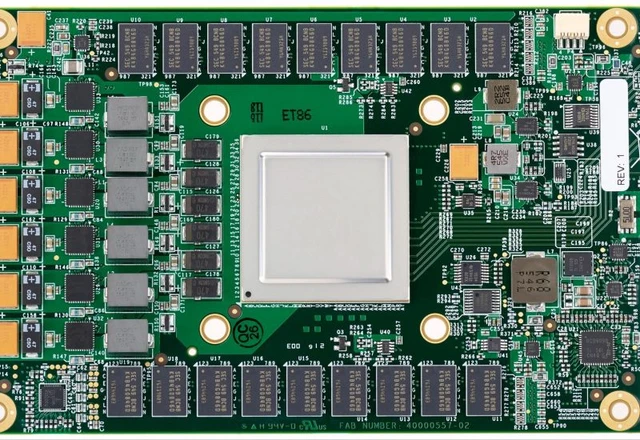 Anthropic’s Strategic Push for Hardware Independence