The dawn of user-generated content was not heralded by high-end production suites, but by accessible tools available to the masses. Long before the ascent of TikTok and CapCut, it was these rudimentary editors that forged the internet’s visual vernacular, schooling millions in the fundamentals of digital storytelling. Today, a longing for this functional minimalism is colliding with the technical curiosity of the modern user. The revival of one such tool on contemporary operating systems brings to the fore a critical tension: the delicate balance between intuitive simplicity and robust cybersecurity.
Long before the era of short-form video and complex automated editing algorithms, there was a tool that served as the gateway into video production for an entire generation. Windows Movie Maker embodied the concept of accessibility; it required neither deep theoretical knowledge of montage nor expensive hardware, allowing users to assemble their first projects in a matter of minutes. However, technological evolution and a shift in content consumption paradigms led Microsoft to officially sunset the application in 2017, replacing it with more advanced—though often more cumbersome—solutions such as ClipChamp and Video Editor.
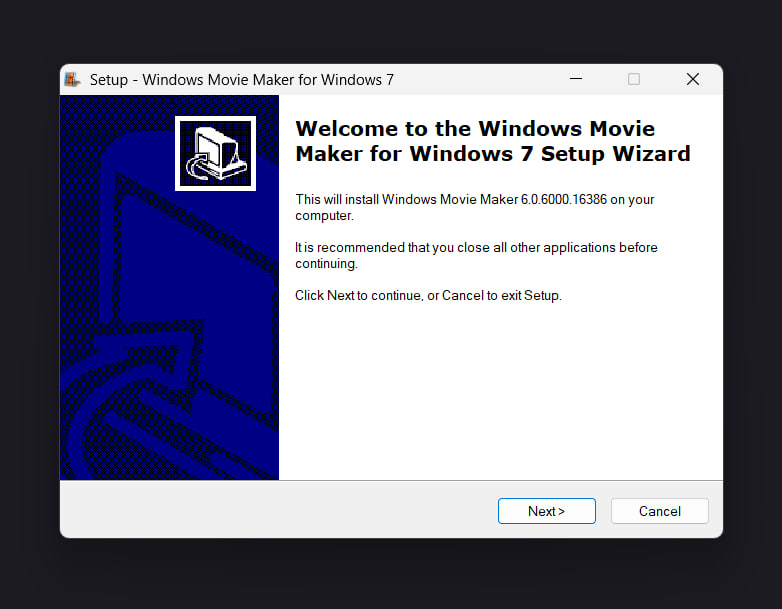
Despite its official status as "obsolete," the program maintains a certain cult following among users who prize the minimalism and predictability of legacy software. A recent surge of interest across social media was sparked by the appearance of the version 6.0 installer in the Internet Archive. The find went viral instantly, garnering hundreds of thousands of views and thousands of shares from those yearning for that specific "analog" editing experience.
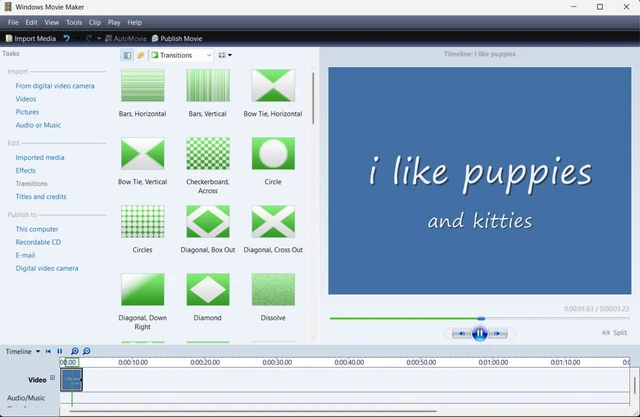
Practical tests confirm the product's surprising resilience: the software remains stable not only on legacy versions like Windows 7 and 10 but also on the current Windows 11. This underscores the high degree of backward compatibility within Microsoft's OS kernel, which allows binaries from a decade ago to run without critical failures.
Nevertheless, deploying such software in today's environment carries inherent risks. Running legacy applications from unofficial sources offers no absolute security guarantees. Modern defense systems, such as Microsoft Defender, may flag old executables as suspicious or delete them entirely, as they lack current digital signatures and fail to meet contemporary code security standards. Thus, returning to the roots of video editing becomes a sort of experiment where the aesthetic of simplicity coexists with potential system vulnerabilities.
 The Price of Acceleration: CXMT’s Rapid Push into Memory