22 Jul 2026
 Speculation Surrounding U.S. Semiconductor Manufacturing Capacity
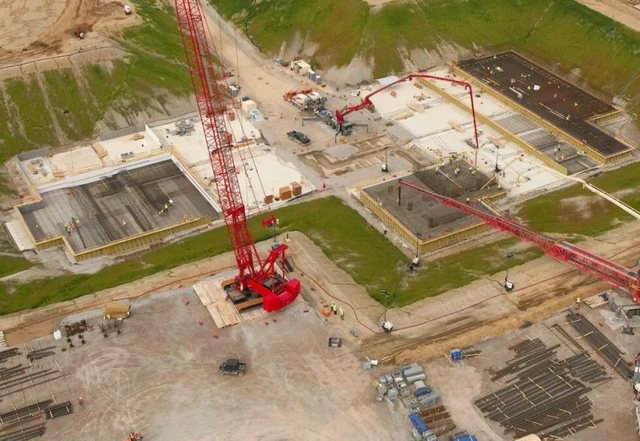
The global semiconductor market is currently navigating an era of profound regionalization and a fierce pursuit of technological sovereignty. In such a climate, the slightest inkling of strategic mergers or asset transfers between industry titans immediately sparks market volatility. Rumors surrounding SK hynix’s potential acquisition of Intel’s stalled Ohio project serve as a textbook example of how investor anticipation can outstrip corporate reality. Despite a brief surge of market optimism, the underlying reality points to a far more cautious stance from both corporations.
22 Jul 2026
 The Twilight of the Physical Video Game Market
The video game industry is completing its decisive pivot toward total digitalization, leaving traditional physical media in the rearview mirror. Sony’s move to phase out discs for the PlayStation 5 by 2028 serves as a catalyst for a profound structural overhaul of the gaming economy. At stake is more than just user convenience; it is the multi-billion dollar secondary market that has democratized access to titles for decades. This shift lays bare a fundamental conflict between corporate profitability and the consumer's right to true ownership of the products they purchase.
21 Jul 2026
 The Cost of the Compute Race Among American Tech Giants
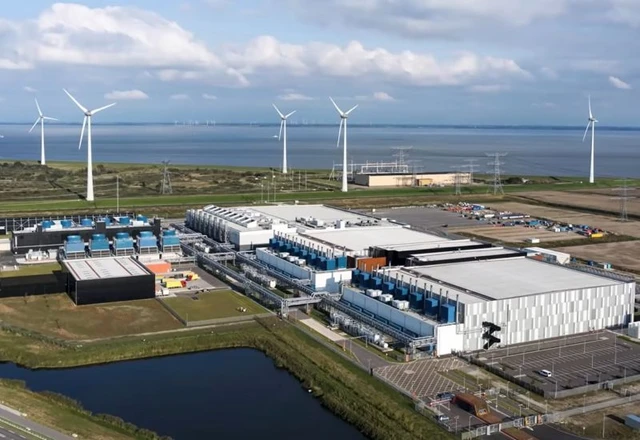
The AI boom has evolved from a mere technological competition into a high-stakes financial wager. While the world remains captivated by the latest neural network updates, US tech giants are amassing staggering levels of debt to scale their computational infrastructure. A significant portion of these liabilities remains obscured from official financial reporting, fostering a sort of "shadow economy" of infrastructure. This lack of transparency casts serious doubt on the fundamental viability of the current AI arms race.
21 Jul 2026
 The Cost of Oracle's Ambitions in the AI Race
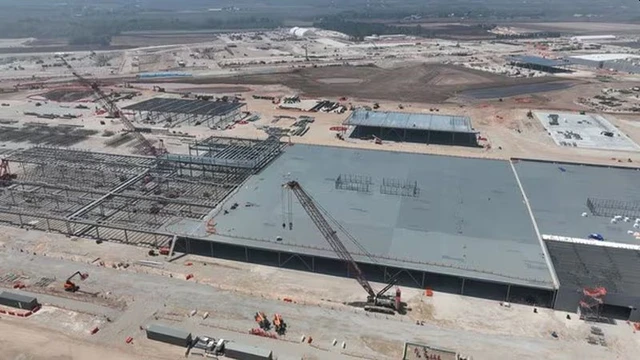
The contemporary AI arms race has shifted its focus, moving beyond algorithmic breakthroughs into the realm of physical infrastructure and power generation. Erecting massive data centers demands more than just technical ingenuity; it requires ironclad financial resilience. Oracle’s bid to position itself as a primary infrastructure partner for OpenAI has run headlong into the friction of U.S. regional regulations. This clash exposes a systemic vulnerability: corporate financial liabilities are emerging as the primary bottleneck hindering the scalability of artificial intelligence.
21 Jul 2026
 OpenAI’s Marketing Mirage
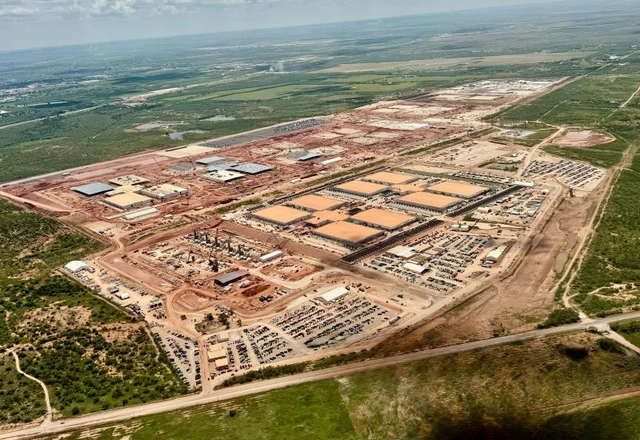
The meteoric rise of generative artificial intelligence is shifting from an era of technological wonder to a phase of rigorous scrutiny over its financial viability. As OpenAI races to replicate the scale of Google’s advertising empire within an aggressive timeframe, market analysts are highlighting a profound disconnect between corporate ambition and actual demand. The collision of the startup’s bullish projections with the stark realities of industry data exposes systemic risks inherent in chatbot monetization—a tension that serves as a cautionary signal for a potential financial bubble within the AI sector.
21 Jul 2026
 The Economics of Importing and Nintendo’s Pricing Hegemony
Global trade wars and shifting customs policies inevitably spark friction between tech behemoths and their end-users. As tariffs climb, the industry is confronted with a fundamental dilemma: who ultimately shoulders the financial burden of cross-border commerce? Nintendo has adopted an uncompromising stance: the final retail price serves as a definitive agreement, ruling out any retroactive claims. Such a position exposes the opaque machinery of global distribution and underscores the ruthless nature of market dynamics within the gaming sector.
21 Jul 2026
 Xiaomi’s Optimism Amidst Memory Market Stabilization
In recent years, the global consumer electronics market has been plagued by persistent volatility, driven primarily by the fragility of semiconductor supply chains. Acute component shortages and erratic pricing spikes for memory chips have created significant headwinds for manufacturers, forcing a difficult choice between hiking retail prices or eroding profit margins. Xiaomi, a dominant force in the sector, felt this pressure acutely—a struggle evident in its shipment trends during the early stages of 2026. Nevertheless, emerging indicators suggesting a stabilization in component pricing are allowing the company to recalibrate its outlook and realistically anticipate a rebound in sales volume.
21 Jul 2026
 Samsung’s Ecosystem Leap: Scaling Up in the US Market
Modern tech giants have long since transcended their roles as mere hardware manufacturers, evolving into full-fledged financial operators. Apple and Amazon have already pioneered proprietary payment instruments designed to seamlessly integrate consumers into their digital ecosystems. Samsung is now aligning with this global trajectory by launching a specialized credit product in the US market. This strategy is less about generating banking revenue and more about radically enhancing user retention and driving the sales of premium, high-ticket hardware.
20 Jul 2026
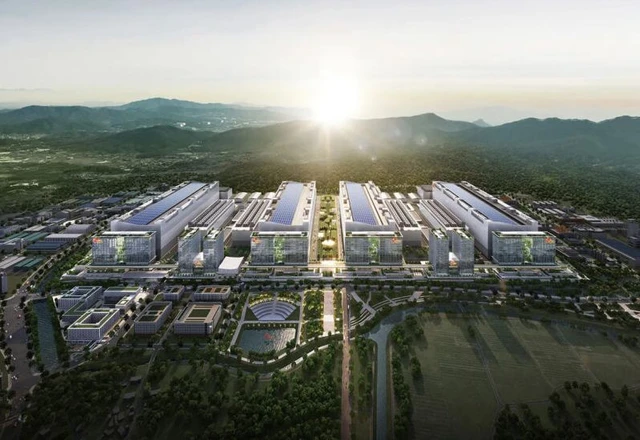 The Global Risk of Memory Market Oversaturation
The meteoric rise of artificial intelligence has ignited an unprecedented arms race for capacity within the semiconductor industry. Tech titans are pouring hundreds of billions of dollars into infrastructure, striving to satiate the insatiable appetite of data centers for high-performance memory. Yet, beneath this veneer of optimism lies a classic market pitfall—one that threatens to trigger a profound crisis of overproduction. The stability of the entire ecosystem now hinges upon whether these massive AI investments can ultimately deliver on their economic promises.
20 Jul 2026
 GameStop’s Battle for Control of eBay
The global e-commerce landscape is undergoing a seismic shift, with aggressive acquisitions emerging as the primary lever for expansion. GameStop—having evolved from a mere symbol of market volatility into a strategic powerhouse—is launching an audacious bid to seize control of the legendary eBay. Despite a categorical rejection from leadership, the takeover strategy persists through the steady accumulation of equity. This clash highlights a fundamental friction between traditional corporate governance and a new era of radical entrepreneurship.
20 Jul 2026
 Credit Risks in the Age of Generative AI
The global AI arms race is pivoting from a phase of unbridled optimism to one of rigorous financial scrutiny. S&P’s decision to downgrade Oracle’s credit rating serves as a watershed moment, laying bare the systemic risks inherent in tech giants tethering their fortunes to the ambitions of startups. The market is now confronting a sobering reality: massive infrastructure investments risk becoming a liability if the business models of AI consumers fail to prove viable. This establishes a precarious precedent, where the financial resilience of a corporate titan becomes contingent upon the solvency of some of the industry's most volatile players.
19 Jul 2026
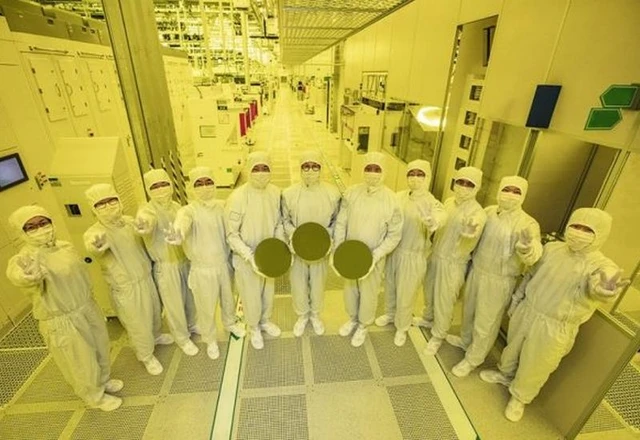 Internal Schism Within the Semiconductor Giant
In the modern microelectronics industry, human capital is simultaneously the most valuable and the most volatile asset. When internal incentive mechanisms are applied inconsistently, organizational cohesion rapidly gives way to profound disillusionment. Samsung Electronics has fallen prey to this exact phenomenon, having created a critical compensation gap between its various divisions. Today, this disparity threatens the company with a mass exodus of the key specialists essential for maintaining technological leadership in the contract manufacturing segment.
