Global trade wars and shifting customs policies inevitably spark friction between tech behemoths and their end-users. As tariffs climb, the industry is confronted with a fundamental dilemma: who ultimately shoulders the financial burden of cross-border commerce? Nintendo has adopted an uncompromising stance: the final retail price serves as a definitive agreement, ruling out any retroactive claims. Such a position exposes the opaque machinery of global distribution and underscores the ruthless nature of market dynamics within the gaming sector.
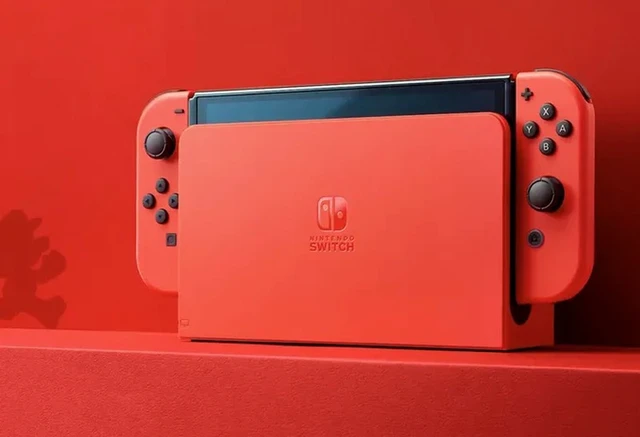
In the modern electronics landscape, product valuation extends far beyond mere manufacturing and logistics costs. Regulatory frameworks and customs hurdles transform cross-continental trade into a complex financial gambit. Recent declarations from Nintendo concerning the reimbursement of US customs duties underscore a fundamental market principle: the price listed at the point of sale represents the final, binding agreement between vendor and consumer.
From a corporate standpoint, any supplementary levies—including government tariffs—are already baked into the product cost, either at the manufacturing or retail level. Once a customer completes a purchase, they effectively accept the established market price. Consequently, demands for refunds based on shifting customs regulations are legally tenuous; the transaction is considered finalized upon payment.
For the gaming development and publishing sector, this precedent serves as a critical lesson in risk management. Import duties are not treated as variable costs subject to compensation; rather, they are foundational elements of pricing strategy and margin planning. While the burden of these additional expenses is distributed across platform holders, publishers, and retailers, the financial weight almost invariably trickles down to the end user.
This tension is most palpable when dealing with physical hardware—consoles, peripherals, and collector's editions. Unlike digital distribution, where marginal costs approach zero, physical products are exposed to the volatility of international trade policy. This compels companies to exercise extreme caution when setting regional launch pricing to mitigate losses should the geopolitical climate shift abruptly.
Notably, these factors only become critical when product margins begin to erode. As long as per-unit profitability remains robust, a company can partially absorb rising tariffs without passing them on to the customer. However, in low-margin segments or limited-run releases, even a marginal shift in customs tariffs can trigger a complete overhaul of production plans or market pricing.
Ultimately, the Nintendo case demonstrates that there is no room for flexibility regarding retroactive payments in the global trade of physical goods. The economic model of distribution is engineered so that any regulatory risks are internalized into the product's cost long before it reaches the consumer's hands.
 The Resilience of the Discrete GPU Market