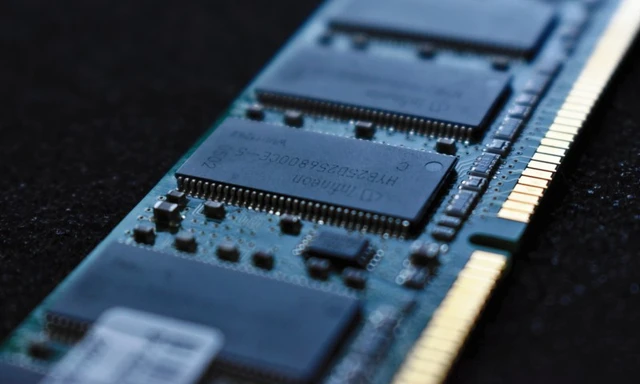
In recent years, the global consumer electronics market has been plagued by persistent volatility, driven primarily by the fragility of semiconductor supply chains. Acute component shortages and erratic pricing spikes for memory chips have created significant headwinds for manufacturers, forcing a difficult choice between hiking retail prices or eroding profit margins. Xiaomi, a dominant force in the sector, felt this pressure acutely—a struggle evident in its shipment trends during the early stages of 2026. Nevertheless, emerging indicators suggesting a stabilization in component pricing are allowing the company to recalibrate its outlook and realistically anticipate a rebound in sales volume.
The memory supply crisis has emerged as one of the primary bottlenecks stifling smartphone market growth. As the cost of RAM and flash storage surges, manufacturers face a precarious dilemma: either hike retail prices—inevitably triggering a drop in demand—or slash production volumes for specific models. For Xiaomi, this period has been a true trial by fire. In the first quarter of 2026, the company shipped 33.8 million devices, representing a 19.2% decline compared to the same period last year. Such a pronounced slump underscores just how sensitive the mass consumer is to even marginal price increases in the final product.
The situation was further exacerbated by component costs rising at an accelerated pace. To grasp the scale of the problem, one only needs to look at the unit economics: by April, the cost of a single memory configuration (12GB RAM and 512GB storage) had climbed by 1,500 yuan (approximately $220) compared to the start of 2025. In an environment of cutthroat competition, such overheads become critical, leading to the cancellation of entire product lines or their release in extremely limited quantities.
However, we are now witnessing a turning point. Supply chain insiders report a gradual stabilization of memory chip pricing, granting manufacturers the breathing room to return to more aggressive expansion strategies. Against this backdrop, Xiaomi has significantly revised its annual forecasts: while the company previously targeted 90 million smartphones, the bar has now been raised to 110 million units.
The composition of this growth is particularly telling. The bulk of the volume increase is expected to be driven by the entry-level segment. It is the budget sector that reacts most acutely to component costs; even a slight dip in chip pricing allows manufacturers to either lower the retail price for the end user or restore profitability to models that were previously loss-making.
The recovery of the smartphone market in the foreseeable future now hinges directly on the sustainability of this price stabilization. For the electronics industry, this is not merely a question of profit margins, but of the very viability of mass-market products that make modern technology accessible to millions worldwide.
 Energy Autonomy: The Extreme Edition