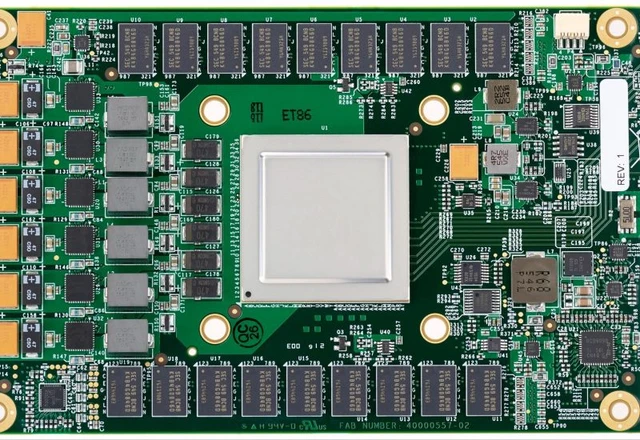
The AI explosion has precipitously shifted the center of gravity within the semiconductor industry, propelling memory manufacturers into the spotlight. Today, storage capacity, throughput, and power efficiency have emerged as the primary catalysts for scaling neural networks. This transformation is evolving memory from a mere commodity into a mission-critical pillar of global infrastructure. At the heart of this shift lies a new paradigm of collaboration between vendors and clients, where co-engineering has become the sole pathway to technological primacy.
For years, the semiconductor memory market operated under a regime of severe cyclicality: periods of oversupply were followed by acute shortages, leading to volatile pricing and turning memory chips into a mere commodity. However, the ascent of generative AI has fundamentally shifted this equation. Memory is no longer just "storage"; it has evolved into a critical asset that dictates overall system performance. Modern AI models demand colossal data volumes, extreme bandwidth, and minimal power consumption, rendering traditional procurement strategies obsolete.
The scale of the coming transformation is evidenced by unprecedented capital expenditure. Over the next fifteen years, approximately $250 billion is slated for investment in U.S.-based memory production. A significant portion of these funds will be dedicated to fundamental research and the development of next-generation memory architectures capable of satisfying the appetite of neural networks. The physical expansion is equally staggering: the construction of two new facilities in Idaho requires enough rebar to circle the Earth's equator twice. The first silicon wafers are expected to enter production at these sites by mid-next year.
A pivotal trend is the decoupling of the traditional link between demand and cyclical supply. The era of sharp downturns is expected to fade, as memory requirements are no longer driven solely by server refresh cycles, but by the deep integration of AI into the physical world. We are moving beyond the data center: autonomous vehicles, industrial robotics, and personal AI devices are creating sustained, long-term demand. Memory is effectively becoming a fundamental utility of the digital economy—a piece of strategic infrastructure.
This transformation has also reshaped product development methodology. Where clients once purchased off-the-shelf solutions, they are now engaged in the design process at the earliest stages. For tech giants, memory optimization has become a critical growth lever, enabling the creation of faster, more efficient products. This tight synergy between customer and manufacturer allows chip specifications to be tailored to specific workloads, which is essential for achieving peak performance.
The current market landscape reveals an acute imbalance: in the server segment, demand exceeds supply by approximately 50%. This is forcing the industry to pivot from spot market transactions toward long-term contracts, the volume of which is growing rapidly. The memory market has ceased to be a market for simple components; it has become a marketplace of high-tech strategic partnerships, where access to cutting-edge capacity defines the competitiveness of the entire AI ecosystem.
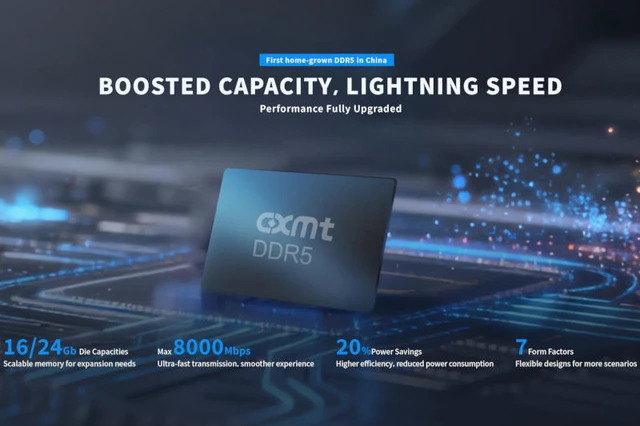 The Price of Acceleration: CXMT’s Rapid Push into Memory