The global artificial intelligence market is currently defined by a high-stakes standoff between tech titans and government regulators. At the epicenter of this clash is Nvidia, whose strategic ambitions in China are colliding head-on with stringent U.S. export controls. Recent speculation regarding the development of specialized LPU accelerators tailored for the East has sent ripples through the industry; however, the company's official stance effectively puts an end to the debate over the creation of bespoke, adaptive solutions for this specific market.
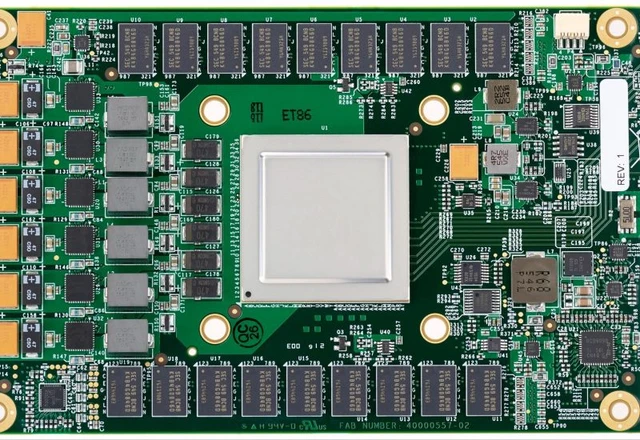
In the current AI arms race, the metric of success has shifted beyond raw training power to real-time operational efficiency—specifically, inference. This is where Language Processing Units (LPUs) enter the fray: a new class of accelerators that Nvidia integrated into its portfolio following the absorption of developments from the startup Groq. Unlike general-purpose GPUs, LPUs are purpose-built for language models, delivering minimal latency and high throughput during text generation.
Against this backdrop, The Information published a high-profile report claiming that Nvidia is developing a specialized LPU variant tailored to US export requirements for the Chinese market. According to these reports, the product was slated for release by the end of the year, with several major clients allegedly securing supply through pre-orders. Such a move would be logical: the company aims to maintain its footprint in one of the world's largest tech hubs by navigating regulatory hurdles.
However, Nvidia leadership moved swiftly to quell these speculations. In an official statement released via Reuters, the company made its position clear: no such specialized LPUs for China exist, nor are they planned. This implies that the "compliance-driven adaptation" strategy—previously employed for certain GPUs—will not be extended to the LPU line.
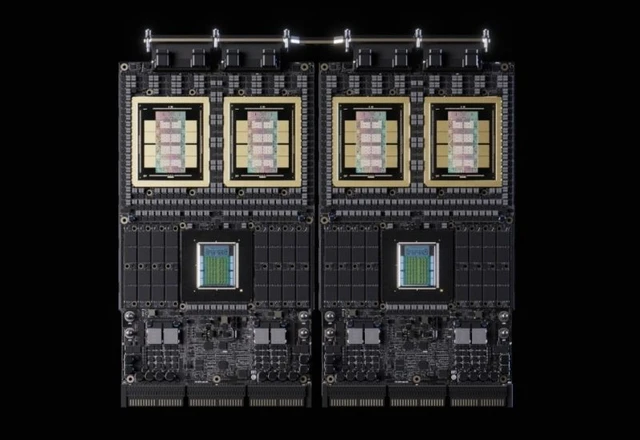
The technical friction stems from hardware compatibility. LPUs were intended to operate in tandem with the Vera Rubin family of solutions. However, these cutting-edge developments fall under US sanctions, rendering their export to China impossible. While Nvidia could theoretically have adapted LPU software to run on older, "permitted" components, the company has consciously declined this path.
This situation underscores a deep strategic dilemma. On one hand, Nvidia must adhere to domestic law; on the other, the company's leadership has openly expressed concern that the resulting vacuum in the Chinese market is being rapidly filled by local accelerator manufacturers. The refusal to develop specialized LPUs may signal that the company no longer sees value in creating "stripped-down" versions of its flagship technology for the region, even at the cost of losing market share.
 The Price of Acceleration: CXMT’s Rapid Push into Memory