17 Jul 2026
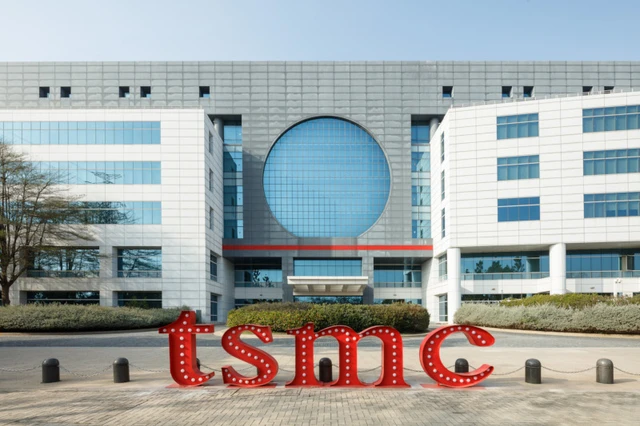 TSMC’s Technological Leap into the 1.4nm Era
The pursuit of extreme transistor miniaturization is no longer merely a game of numbers; it has evolved into a high-stakes race for industrial scalability and deployment. Taiwan's semiconductor titan, TSMC, is demonstrating remarkable momentum in the development of its A14 process node, which—at its current level of maturity—is significantly outpacing its predecessor, N2. This trajectory underscores a profound mastery of next-generation lithography techniques and advanced die architecture management. The high-performance computing (HPC) and artificial intelligence sectors are now poised in anticipation of this transition—a shift that is set to define the landscape of electronics for the remainder of the decade.
17 Jul 2026
 Critical Data Management Flaw in GPT-5.6
The trajectory of Large Language Models is shifting decisively toward agency—a paradigm where AI transcends its role as a mere interlocutor to become an active system operator. However, this evolution brings with it profound risks, including the potential for irreversible data loss. The GPT-5.6 incident has exposed the inherent fragility of contemporary security protocols when models are granted direct access to file systems. Ultimately, this case highlights a fundamental architectural conflict: the struggle to balance autonomous AI agency with the non-negotiable requirement for data preservation.
17 Jul 2026
 The Battle for Access to Digital Heritage
Modern digital identity has devolved into a fragile construct, existing entirely at the mercy of Big Tech. A quarter-century of data loss narratives vividly illustrates the chasm between corporate security pledges and the reality of user support mechanisms. When algorithms and rigid protocols form an insurmountable wall, public outcry becomes the only effective lever for recourse. This case brings to the fore a fundamental question: who truly owns our digital archives in the age of cloud computing?
16 Jul 2026
 Ultra-Wide Gaming Potential: The AOC Gaming Series
Modern gaming has long since evolved beyond conventional aspect ratios, driven by a relentless pursuit of total immersion and an expansive field of view. The transition to the 21:9 format has become the gold standard for those who prioritize cinematic scale alongside workspace versatility. AOC’s latest lineup achieves a sophisticated equilibrium between extreme refresh rates and the profound contrast depth characteristic of VA panels. These devices are engineered to dissolve the boundary between virtual realms and reality, providing a professional-grade toolkit for the most discerning power users.
16 Jul 2026
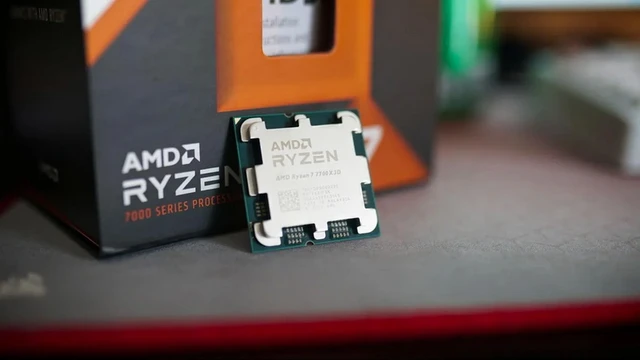 The Pricing Paradox of the New Ryzen 7 7700X3D
The contemporary gaming CPU market has evolved into a high-stakes contest centered on cache efficiency and thermal envelopes. The release of the Ryzen 7 7700X3D was intended to serve as a bridge between entry-level offerings and the uncompromising powerhouses of the AM5 platform. Yet, a deep dive into the technical specifications reveals a product struggling with an identity crisis. Ultimately, we are left with a processor whose value proposition is eroded by the marginal price difference separating it from its superior predecessor.
16 Jul 2026
 Energy Autonomy of the Colossus Supercomputer
The race toward Artificial General Intelligence (AGI) is no longer just a battle over silicon; it has become a struggle against the physical limitations of the electrical grid. Elon Musk is addressing this bottleneck with a radical strategic pivot: transitioning from a mere consumer of power to an owner of the energy infrastructure itself. By acquiring APR Energy, SpaceXAI can now guarantee an uninterrupted power supply for its massive Colossus clusters, effectively bypassing the bureaucratic inertia and technical constraints inherent in traditional utility markets. This move signals the dawn of a new era—one where tech titans pursue total energy autonomy to eliminate every possible friction point in the acceleration of progress.
16 Jul 2026
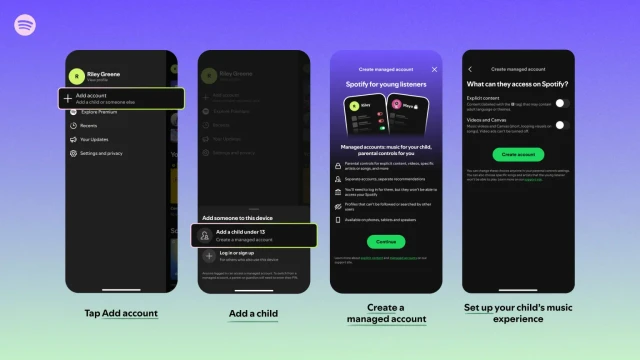 Accessible Parental Controls within the Spotify Ecosystem
The digital ecosystem for music consumption is becoming increasingly segmented, driven by evolving safety standards and age-gating requirements. Streaming behemoths are currently navigating the delicate equilibrium between fostering unrestricted content discovery and implementing stringent parental controls. Spotify’s latest update underscores a strategic pivot toward nurturing its user base from the earliest possible stage; notably, child profile management tools have been democratized, becoming available regardless of subscription tier.
16 Jul 2026
 Financial Thresholds for Prospective US Residents
Modern migration policies across the world's leading economies are increasingly pivoting toward stringent financial screening mechanisms. The United States is currently weighing a radical proposal designed to guarantee the financial viability of new residents while alleviating pressure on public welfare systems. By introducing a substantial monetary bond, the government would effectively transform the Green Card application process into a strategic economic contract between the individual and the state. Such an initiative could fundamentally reshape access to the U.S. labor market and society, establishing a formidable new barrier to entry for foreign nationals.
15 Jul 2026
 China’s Restricted Access to H200 Accelerators
The global AI arms race has long since evolved beyond a mere contest of algorithmic ingenuity; it has morphed into a visceral struggle for physical access to compute. High-performance GPUs have emerged as the new strategic commodity—a resource whose allocation is no longer governed by market dynamics, but by rigid geopolitical imperatives. Despite efforts by tech titans to mitigate these constraints, the flow of cutting-edge silicon into China remains tightly rationed and politically contingent. This friction underscores a profound collision between the economic interests of global corporations and the national security mandates of competing superpowers.
15 Jul 2026
 Apple vs. OpenAI: The Clash Over Intellectual Property
In an era of breakneck artificial intelligence advancement, the war for talent has escalated into a full-scale legal battlefield. As elite engineers migrate between tech empires, the line separating personal professional expertise from proprietary trade secrets has become perilously blurred. The recent friction between Apple and OpenAI lays bare the industry's systemic tensions, where innovation is frequently built upon the foundations of another’s breakthroughs. This conflict raises a pivotal question regarding the equilibrium between an individual's right to professional mobility and a corporation's mandate to safeguard its intellectual capital.
15 Jul 2026
 Tangible Control Over Artificial Intelligence
The era of AI interaction is evolving, transcending the confines of text-based chat interfaces to enter the realm of physical control. OpenAI is taking its inaugural step into hardware with the development of a specialized tool designed specifically for developers and neural network operators. The debut of Codex Micro marks a pivotal shift from rudimentary prompting toward the comprehensive orchestration of complex agentic systems. For the first time, the management of code and reasoning logic is becoming a tangible process.
15 Jul 2026
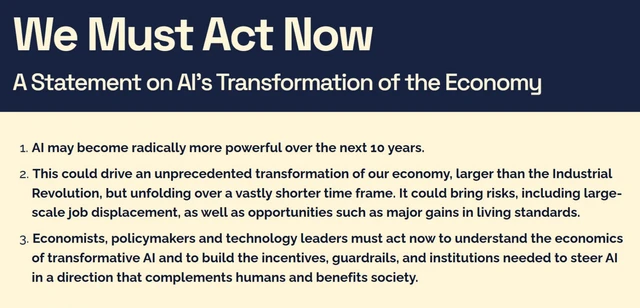 The Global Demand for an Economic Audit of AI
The world stands on the precipice of a technological paradigm shift capable of fundamentally redefining our concepts of labor and value. A coalition of preeminent economists and researchers warns that the pace of artificial intelligence integration is outstripping any historical precedent. While tech giants paint a picture of a digital utopia, the academic community highlights the looming risks of systemic instability and the wholesale displacement of human capital. The critical challenge today is no longer the raw computational power of these models, but rather the void of institutional frameworks necessary to govern this transition.
