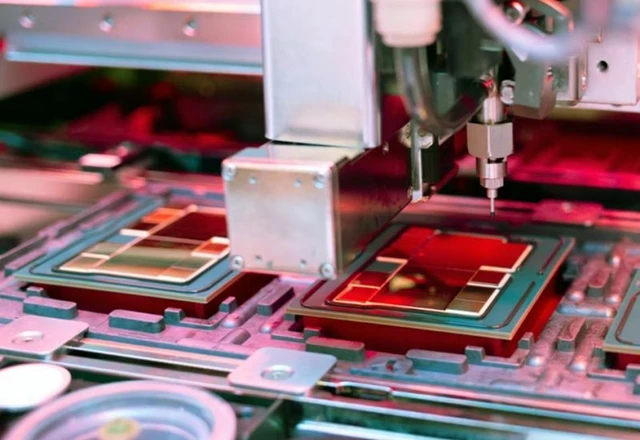
The global AI arms race has long since evolved beyond a mere contest of algorithmic ingenuity; it has morphed into a visceral struggle for physical access to compute. High-performance GPUs have emerged as the new strategic commodity—a resource whose allocation is no longer governed by market dynamics, but by rigid geopolitical imperatives. Despite efforts by tech titans to mitigate these constraints, the flow of cutting-edge silicon into China remains tightly rationed and politically contingent. This friction underscores a profound collision between the economic interests of global corporations and the national security mandates of competing superpowers.
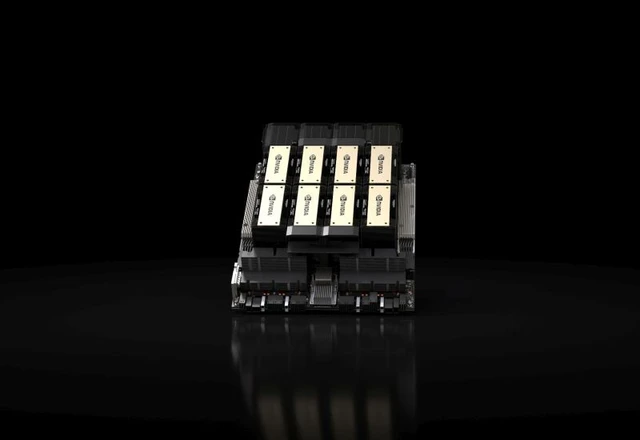
At the epicenter of the current geopolitical tech standoff lies the H200 accelerator, powered by the Hopper architecture. This chip represents the pinnacle of Nvidia's engineering in the realm of Large Language Model (LLM) training, delivering a massive leap in memory bandwidth over its predecessors. Consequently, access to the H200 has become a primary lever of influence in the fraught relationship between the United States and China. For some time, Nvidia CEO Jensen Huang has lobbied for the restoration of full-scale shipments; however, even high-level political will has failed to transform this trickle into a steady stream.
Recent testimony before the U.S. House Foreign Affairs Committee has shed light on the actual state of affairs. Deputy Secretary of Commerce Jeffrey Kessler admitted that H200 exports to China remain negligible. Despite the formal commencement of shipments, volumes are severely restricted. The situation is further complicated by barriers on both sides: while Washington demands strict adherence to export licenses, Beijing periodically restricts the import of American solutions to stimulate the development of its own domestic hardware ecosystem.
In this complex regulatory maze, only a select few have found success. Reports indicate that Chinese telecommunications giant ZTE and two other local firms managed to secure the necessary licenses to procure cutting-edge chips from Nvidia and AMD. It was previously suggested that roughly ten companies—including digital economy heavyweights such as Alibaba, Tencent, and ByteDance—might have received authorization to acquire H200s. However, a listing in the registry does not always equate to physical possession; the latency between application approval and actual shipment can span several months.
The political discourse surrounding these shipments within the U.S. is growing increasingly fraught. Democratic representatives have expressed concern that sanctions lists for Chinese companies have remained stagnant since last October. This lull is viewed as a dangerous precedent that could compromise national security. Critics argue that the current administration is utilizing export controls not as a shield for technological sovereignty, but as a bargaining chip in geopolitical negotiations—effectively resulting in unjustified concessions for the Chinese market.
Parallel to this, controversies are mounting over the next generation of silicon: Blackwell. Particular outrage has been sparked by rulings that allow companies—or their foreign subsidiaries—that already gained access to Blackwell accelerators to continue operating the hardware. The U.S. Department of Commerce is essentially betting on voluntary disclosure in cases of illegal imports, a stance that has met with deep skepticism from many members of Congress.
Rounding out this landscape is the strategic pivot to lift restrictions on AI chip shipments to the UAE. This move demonstrates how technological expansion is now inextricably linked with diplomacy: access to computational power has become the primary currency exchanged between allies and adversaries in the race for dominance in the era of generative intelligence.
 The Horizon of China's Technological Sovereignty in Lithography