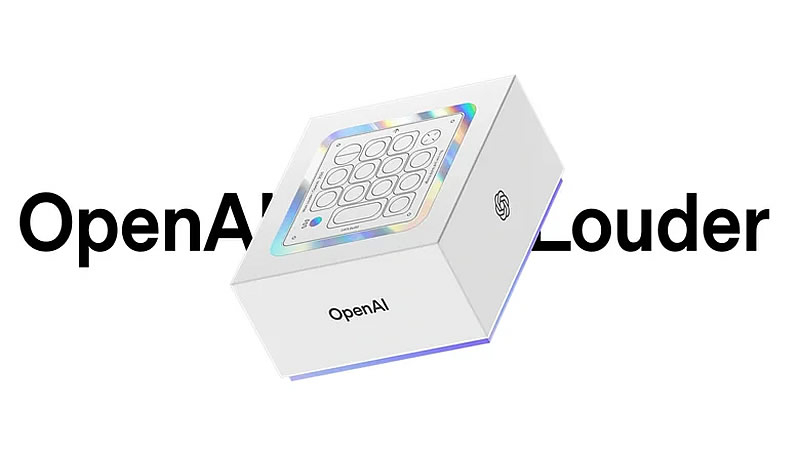
The era of AI interaction is evolving, transcending the confines of text-based chat interfaces to enter the realm of physical control. OpenAI is taking its inaugural step into hardware with the development of a specialized tool designed specifically for developers and neural network operators. The debut of Codex Micro marks a pivotal shift from rudimentary prompting toward the comprehensive orchestration of complex agentic systems. For the first time, the management of code and reasoning logic is becoming a tangible process.
For years, the artificial intelligence landscape has existed almost exclusively within the digital realm, tethered to browser interfaces and mobile applications. However, with the rise of agentic systems capable of autonomously writing code and managing complex workflows, there is a growing demand for a more profound and immediate mode of interaction. OpenAI’s answer to this challenge is the Codex Micro—a compact controller developed in collaboration with the design studio Work Louder. This device transforms interacting with a neural network from a simple dialogue into the comprehensive operation of a development "mission control center."
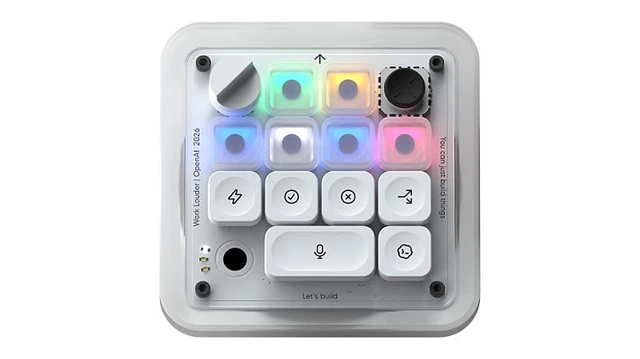
The technical specifications of the Codex Micro are meticulously engineered for professional software ergonomics. Six semi-transparent keys with integrated LED indicators serve as visual telemetry for agent states, allowing the operator to assess task progress at a glance. Programmable buttons enable the delegation of critical actions—from approving or rejecting proposed code changes to triggering voice input—significantly reducing iteration cycles when developing complex systems.
The analog control elements merit particular attention. A rotary dial is dedicated to adjusting Codex's reasoning levels; essentially, it serves as a physical lever to control the depth of the neural network's analysis. Complementing this is a joystick that optimizes navigation between various workflows, turning context switching into an intuitive process. To ensure maximum adaptability for specific tasks, the device comes equipped with interchangeable keycaps.
The emergence of this gadget is closely tied to the evolution of OpenAI’s software ecosystem. Codex has evolved into a sort of "super-app," merging the capabilities of classic ChatGPT, specialized programming tools, and the productivity-focused ChatGPT Work agent. While the ecosystem remains fully accessible without external hardware, the Codex Micro is designed to minimize cognitive load by shifting routine operations from typing to tactile reflexes.
The device is available in a limited run priced at $230. Despite its niche appeal, the Codex Micro serves as a critical strategic signal. It represents the company's first standalone hardware venture, paving the way for more ambitious releases. Specifically, the industry is anticipating a full-scale smart device being developed by OpenAI in partnership with legendary designer Jony Ive—a move that could fundamentally redefine how humans interact with artificial intelligence in their daily lives.
 Intel’s Strategic Play for Advanced Packaging Supremacy