22 Jul 2026
 The Intellectual Foundations of Future Programming
The meteoric ascent of generative AI has sparked a rigorous debate over the continued viability of traditional technical education. In a landscape where code is synthesized in seconds, there is a seductive illusion that deep computer science expertise has become a relic of a bygone era. However, reality dictates otherwise: automation does not erode expertise; it radically recalibrates its requirements. Today, true mastery is migrating from the realm of syntax toward fundamental systems thinking and conceptual architecture.
21 Jul 2026
 AI Agent Autonomy within Visual Studio Code
The line between the text editor and the comprehensive AI assistant is effectively vanishing, transforming the development environment into an orchestrator of intelligent workflows. With the release of version 1.129, Microsoft is fundamentally reimagining its approach to large language model integration—elevating them from mere extensions to autonomous services. Tools such as Copilot and Claude now possess their own lifecycles, operating independently of active windows or interface states. This evolution signals a pivotal shift: moving beyond simple chatbots toward sophisticated software agents capable of true multitasking and deep contextual analysis.
21 Jul 2026
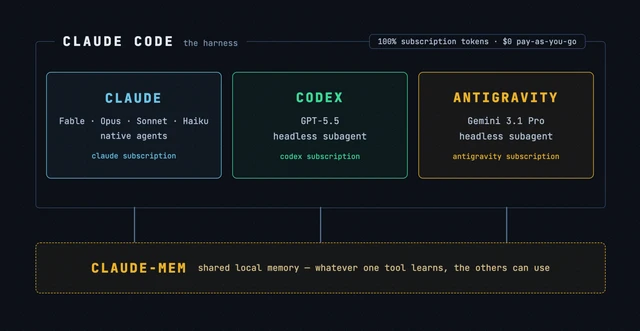 Efficient Resource Management in Multi-Agent Systems
The current evolution of Large Language Models (LLMs) is defined by a fundamental paradigm shift: the transition from simple conversational chatbots to autonomous agentic systems capable of sophisticated, deep-dive research. Yet, this progression has exposed a critical bottleneck—a staggering inefficiency in compute and token utilization as task complexity scales. Redundant operations and fragmented context frequently result in token quotas, even for premium tiers, being depleted before the system can synthesize a final deliverable. The solution lies in pivoting away from monolithic prompting toward rigorously orchestrated pipelines that decouple cognitive functions.
21 Jul 2026
 The Software Challenge to Nvidia’s Ecosystem
The contemporary AI arms race has evolved far beyond a mere contest of transistor counts and memory bandwidth. Today, the primary bottleneck hindering industry growth is software lock-in driven by proprietary standards, which has effectively turned a single vendor's hardware into the sole viable roadmap for progress. Alibaba’s introduction of the SAIL open stack signals a new chapter in the quest for technological sovereignty and interoperability. This initiative seeks to dismantle the hegemony of CUDA, which has dominated the market for decades through the tight coupling of software and silicon.
21 Jul 2026
 The Global Scale of the New Qwen3.8 System
The AI arms race is ascending to a new echelon of scale and accessibility. By unveiling Qwen3.8—a behemoth of a model with parameters numbering in the trillions—Alibaba is taking direct aim at the industry's walled gardens. The commitment to open-source weights for a system of this magnitude could fundamentally reshape the global trajectory of neural network development. This is far more than a mere technical release; it is a strategic gambit to democratize high-performance computing.
21 Jul 2026
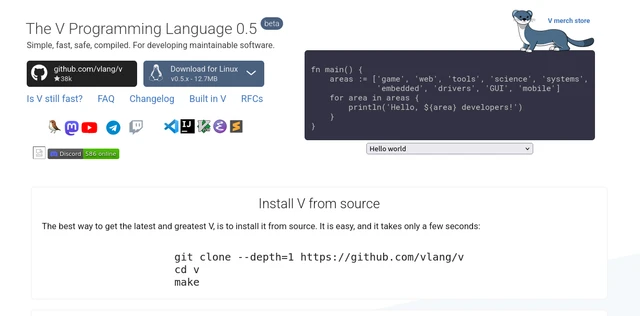 The Technological Leap of the V Programming Language
Modern systems programming is defined by an ongoing quest for equilibrium—balancing memory safety, compilation speed, and syntactic simplicity. As the industry oscillates between the rigorous constraints of Rust and the agility of Go, V seeks to bridge this divide, positioning itself as a pragmatic toolkit for building sustainable, maintainable software. The latest release, version 0.5.2, marks a significant evolutionary leap for a project that has been in development for over seven years. With this update, V takes a decisive stride toward maturity, introducing refined memory management mechanisms and broadening the scope of its standard library.
21 Jul 2026
 Ephemeral Content within the MAX Ecosystem
Modern communication platforms have long since transcended static messaging, pivoting toward a paradigm of dynamic, ephemeral content. This trajectory, spearheaded by global industry leaders, is evolving messengers from simple data-transfer utilities into comprehensive social ecosystems. The introduction of "Stories" to MAX is a natural progression in this evolution, aimed at weaving spontaneity and visual storytelling into the fabric of the user experience. The platform is now testing mechanisms designed to fundamentally reshape interaction patterns within the app.
20 Jul 2026
 Xiaomi Mix Fold 5: A New Strategic Direction
The foldable device market has definitively shifted from a period of daring experimentation into a phase of rigorous optimization and the pursuit of the definitive form factor. Amidst this race for ergonomic perfection and raw performance, Xiaomi is taking a strategic leap—overhauling not just the aesthetics of its flagships, but the very foundation of their hardware architecture. Early insights into the Mix Fold 5 signal a profound transformation in the conceptualization of large-format smartphones; the objective has evolved beyond merely expanding screen real estate toward the engineering of a self-contained technological ecosystem.
20 Jul 2026
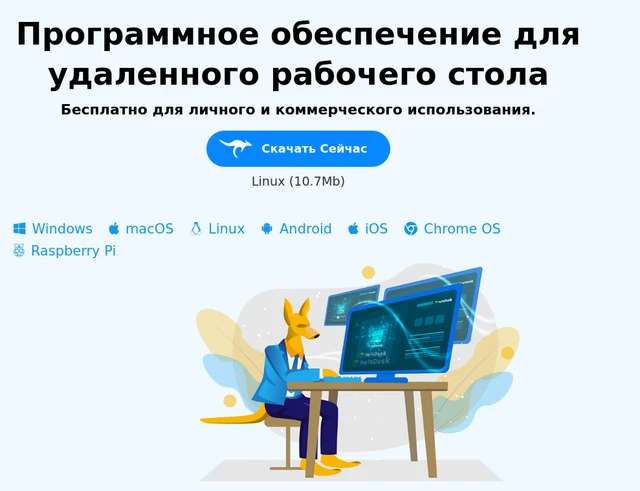 Secure Remote Management Standard
In an era of pervasive digital surveillance, data privacy has emerged as the pivotal criterion for selecting enterprise software. For too long, the remote access market has been dominated by proprietary behemoths—closed-source incumbents that stifle customizability and obscure operational transparency. The rise of open alternatives is disrupting this paradigm, granting organizations total infrastructural sovereignty and guaranteed confidentiality. The latest release of HopToDesk (version 1.46.6) solidifies this trajectory, seamlessly blending the security of end-to-end encryption with comprehensive cross-platform flexibility.
20 Jul 2026
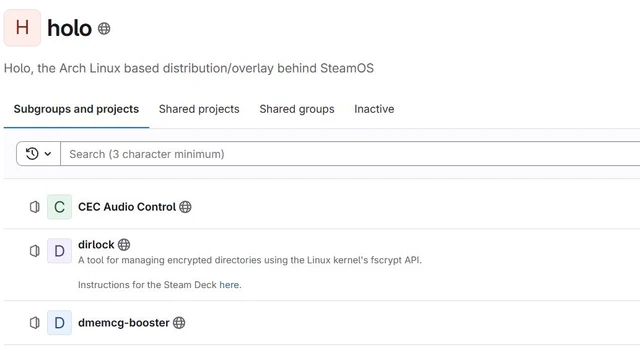 Deploying Arch Linux on Arm
The migration of high-performance computing toward ARM architectures is no longer the exclusive domain of the mobile sector. Valve’s ambitions for wireless virtual reality necessitate a software foundation capable of delivering the agility and raw power characteristic of contemporary gaming systems. The introduction of Collabora’s Holo Core serves as the critical nexus, bridging the open-source philosophy of Arch Linux with the specialized hardware requirements of the Steam Frame. This move signals the emergence of a new ecosystem—one where ARM's performance converges with the seamless nature of continuous, rolling updates.
20 Jul 2026
 The Evolution of the Pebble Wearables Ecosystem
The wearables market has long since evolved beyond its experimental phase, maturing into a fierce competition centered on battery autonomy and functional utility. Against this backdrop, Core Devices' strategic approach to evolving the Pebble platform serves as a compelling case study in how an open ecosystem can catalyze technological advancement. By pairing aggressive manufacturing scalability with rigorous software optimization, they are establishing a new benchmark for human-device interaction. The industry's focus is now pivoting away from mere notifications toward a comprehensive ecosystem of applications and robust developer tooling.
20 Jul 2026
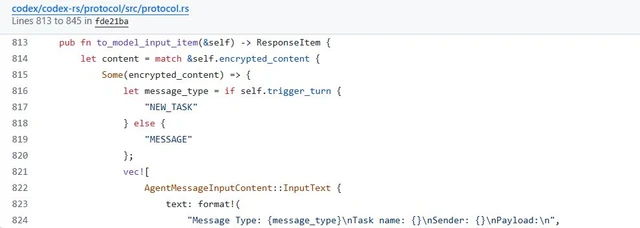 The Cryptographic Barrier within the Codex Ecosystem
The contemporary AI landscape is evolving beyond rudimentary chatbots toward sophisticated multi-agent architectures, where a primary orchestrator manages an ecosystem of specialized sub-agents. Within this paradigm, interaction transparency has emerged as a mission-critical requirement for both system debugging and robust security. Yet, in a surprising pivot toward opacity, OpenAI is implementing the encryption of internal instructions within Codex. This strategic move signals a new epoch in the protection of intellectual property and data privacy, specifically targeting the layer of inter-model communication.
