The disconnect between writing code and its actual execution on a device has long been the fundamental bottleneck of mobile development. Modern AI agents are now bridging this divide, evolving from mere text generators into active participants within runtime environments. The integration of the iOS simulator into Claude Code elevates the tool from a sophisticated editor to a fully autonomous engineer. This effectively closes the development loop, empowering artificial intelligence to validate its own hypotheses in real-time.
The integration of a built-in iOS Simulator into Claude Code Desktop marks a pivotal milestone in the evolution of agentic systems. AI is no longer merely suggesting fixes or drafting functions; it is now assuming ownership of the entire deployment lifecycle—from building and installing the application to executing specific user scenarios. The agent's ability to navigate the interface and verify task completion elevates code interaction to the level of deep functional testing.
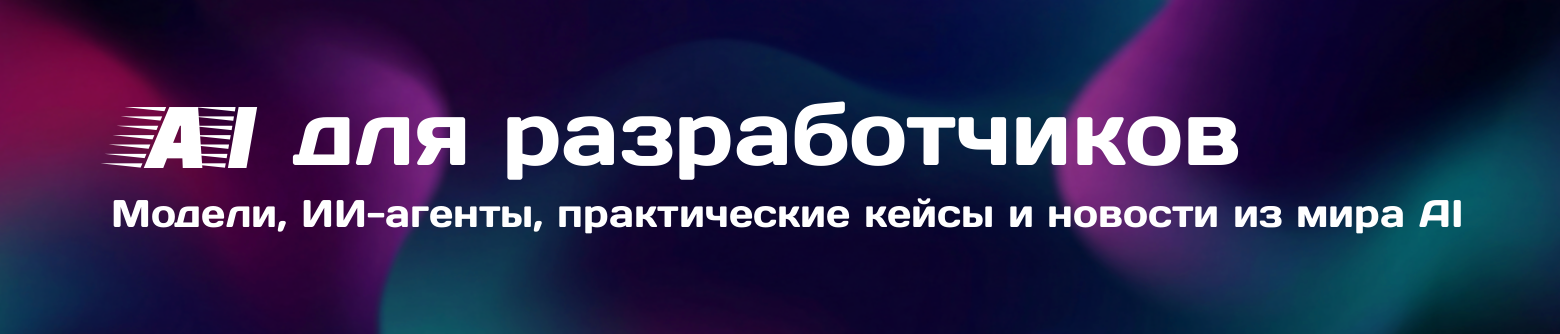
From a technical standpoint, this is achieved through tight integration between the visual output and the dialogue window. By positioning the simulator screen directly adjacent to the chat, a unified workspace is created for both the developer and the AI. This allows the human operator to intervene at any moment: performing taps and swipes, switching device models, or documenting bugs via screenshots and screen recordings. This hybrid model transforms debugging into a collaborative effort where the agent handles routine verification while the engineer maintains high-level oversight.
Particular emphasis has been placed on scalability and process isolation. Each session operates within its own simulator instance, eliminating conflicts when multiple agents work in parallel. This is critical for enterprise-scale projects requiring simultaneous testing of different feature branches or the execution of comprehensive A/B tests.
Currently, this functionality is available in public beta for macOS users on Pro, Max, and Team plans. Full operation requires a local installation of Xcode and Claude Desktop version 1.24012.0 or higher, underscoring the agent's reliance on Apple’s native development toolchain.
In the long term, this integration lays the groundwork for a fully autonomous "develop-test-remediate" cycle. When an AI can perceive the results of its code within a live interface, it receives instantaneous feedback. This drastically reduces iteration latency compared to traditional workflows, where developers must manually deploy code to a simulator and report errors back to the chatbot.
 Anthropic’s Record-Breaking Public Market Debut