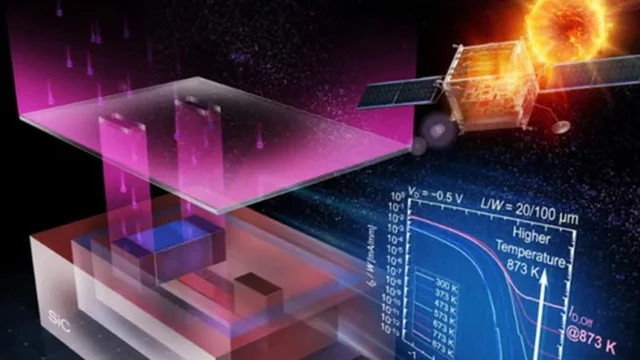
The integration of renewable energy into automotive design has long since evolved beyond the realm of futuristic concepts. Today's automotive industry is aggressively pursuing energy optimization strategies to alleviate the strain on primary battery packs and extend overall system autonomy. The next frontier in this evolution is the seamless integration of photovoltaic cells directly into the vehicle's glazing. Fuyao, the Chinese industry leader, is pioneering a solution that transforms the panoramic roof into an active power generator.
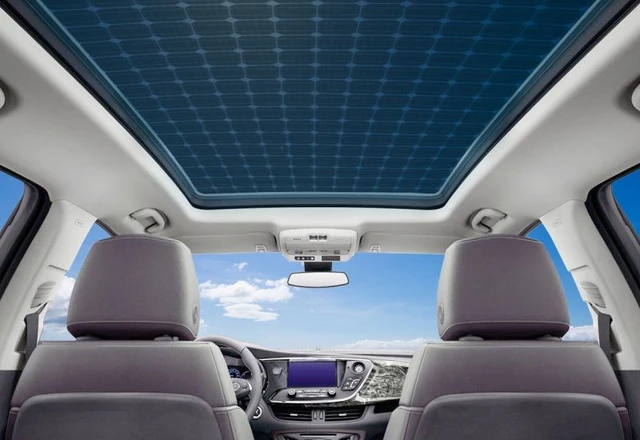
The integration of solar energy into automotive design has evolved significantly, progressing from rudimentary cabin fans to sophisticated charging systems. For years, the industry grappled with a fundamental trade-off: the installation of cumbersome, unsightly panels on the bodywork versus sacrificing efficiency for the sake of aesthetics. Fuyao Group’s latest innovation shifts this paradigm toward material science, proposing the seamless integration of solar cells directly into the glass roof panel.
The technological breakthrough lies in the development of a semi-transparent layer that preserves the visual appeal of panoramic glazing while generating up to 150W of energy per square meter. This allows the driver to maintain an unobstructed connection with the environment, effectively transforming the roof into a functional energy hub.
From a range-extension perspective, such panels are not designed to radically increase an electric vehicle's mileage—the energy density of solar radiation is simply too low to fully charge massive traction batteries. However, the true value of this technology lies in mitigating "phantom drain." A modern vehicle is a complex hardware-software ecosystem that continues to consume power even when stationary. Telematics, security protocols, and surveillance systems operating in standby mode create a constant load on the battery.
A solar roof effectively offsets these expenditures, maintaining the onboard network's charge without taxing the primary battery. Crucially, this concept is universal; it benefits not only EV and hybrid owners but also users of traditional internal combustion engine (ICE) vehicles, ensuring that electronics remain operational without the risk of deep battery discharge.
The commercial rollout of this technology will begin through a partnership with one of the industry's titans: BYD. The solar roof option is expected to be offered at a price point of approximately $1,200, with the system's peak power reaching up to 720W. This positioning makes the solution both accessible and commercially viable for the mass market.
The implications of this development extend far beyond the automotive sector. Leveraging Fuyao's extensive expertise in architectural glass, transparent photovoltaic technology is poised to migrate into "smart city" infrastructure. Integrating solar panels into building facades could transform entire urban blocks into distributed power plants—a logical progression in the global pursuit of energy efficiency and environmental sustainability.
 The Shattered Illusion of the Dreame Jet Hypercar