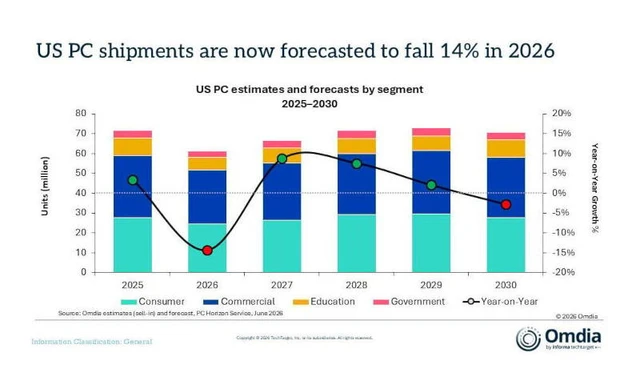
The U.S. personal computer market is grappling with one of its most severe downturns in recent memory, a trend that signals a profound structural transformation within the industry. A volatile cocktail of component shortages, pricing pressures, and the exhaustion of mass upgrade cycles has created a climate where hardware accessibility has become the primary bottleneck for consumers. While the budget segment is in rapid decline, the enterprise sector is pivoting toward premium, AI-enhanced solutions. This shift is doing more than just altering consumer behavior; it is fundamentally redrawing the hierarchy of the world's leading technology vendors.
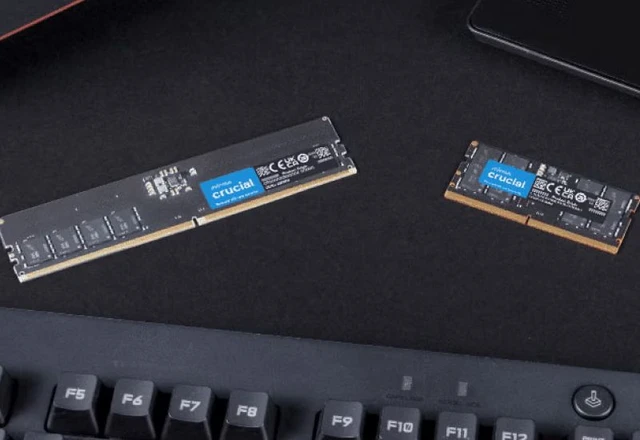
The first quarter of 2026 witnessed a precipitous cooling of the U.S. PC market, with shipments plummeting 7% year-over-year. This represents the most significant contraction since the third quarter of 2023, triggered by a confluence of systemic headwinds. The industry found itself squeezed between a tightening supply of critical components and a surge in memory chip pricing. This was further exacerbated by a "demand pull-forward" effect; an anomalous spike in procurement during early 2025—driven by fears of impending trade tariffs—inevitably led to a subsequent slump. Additionally, the market is now feeling the hangover from the conclusion of the massive hardware refresh cycle required for Windows 11 compatibility.
The budget segment, in particular, is in a state of collapse. Shipments of PCs priced under $500 crashed by 18.7%, a trend projected to persist through the end of 2026. The root cause lies in a global reallocation of resources: memory chip manufacturers are prioritizing the lucrative, high-margin AI server and accelerator market, rendering the production of low-cost consumer devices economically unviable. Consequently, the overall consumer sector saw a 9.5% decline, while the enterprise segment proved more resilient, contracting by only 5%. Corporate clients continue to modernize their infrastructure, seeking to lock in pricing before further escalations.
The technological trajectory has shifted decisively toward the "AI PC"—machines with integrated, on-device artificial intelligence capabilities. These now account for 44% of total shipments, signaling a readiness among large enterprises to invest in premium hardware to drive productivity. However, this transformation is accompanied by aggressive price escalation. While the average increase in factory prices was a modest 4% in the first quarter, a jump to 12% is expected in the second, with figures climbing even higher in the latter half of the year. By year-end, the average cost of business PCs is expected to rise by 11%, with government and consumer sectors seeing increases of approximately 10%. Only the education sector is expected to remain price-stable.
This market volatility has triggered a radical redistribution of market share among the industry's titans. HP, long the dominant leader, suffered the most severe blow, with shipments falling 21.6%, resulting in the loss of its top spot in the U.S. market. Dell stepped into this void, expanding its share to 25% to claim the lead, while Lenovo also fortified its position, capturing 20% of the market.
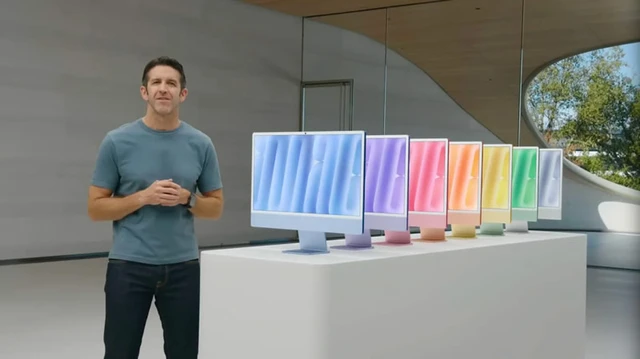
Apple, despite an overall share dip to 16.9%, is demonstrating a sophisticated strategic pivot: MacBook penetration in the corporate sector has climbed to 15.3%, indicating a deliberate shift toward professional users and B2B segments. Meanwhile, smaller manufacturers have found themselves in the most precarious position, with shipments dropping 13.1%. Lacking the bargaining power that industry giants wield over suppliers during component shortages, these niche players are effectively being squeezed out of the market.
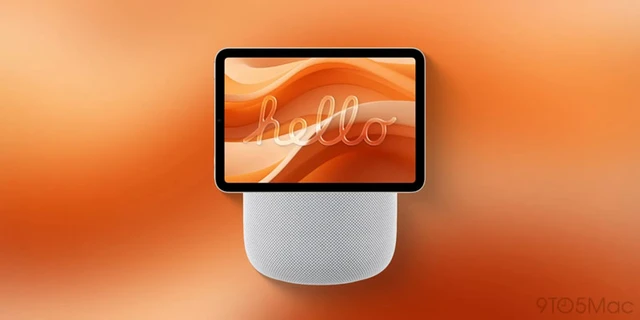 The Evolution of the Apple Home Ecosystem