Global technology markets have entered a period of severe correction, precipitated by systemic disruptions in supply chains. The skyrocketing costs of AI infrastructure, compounded by surging component prices, have triggered a domino effect that has hammered the valuations of the sector's heavyweights. However, amidst this widespread downturn, a striking anomaly has emerged. Apple has not only weathered the market volatility but has managed to sustain growth, defying the bearish expectations of investors.
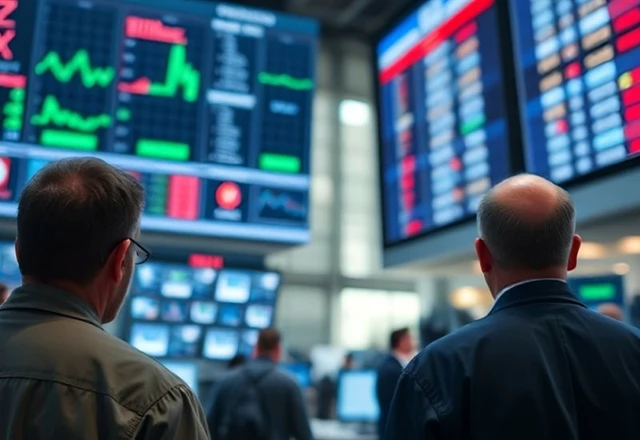
The past week served as a rigorous stress test for the technology sector, exposing the vulnerabilities of even the most resilient issuers. Friday's global downturn was the culmination of mounting anxieties: investors are beginning to seriously question whether the profitability of hardware suppliers can withstand the aggressive surge in memory prices. This situation is further complicated by the AI arms race, which demands colossal infrastructure investments—creating, in the short term, an excessive strain on the financial metrics of tech giants.
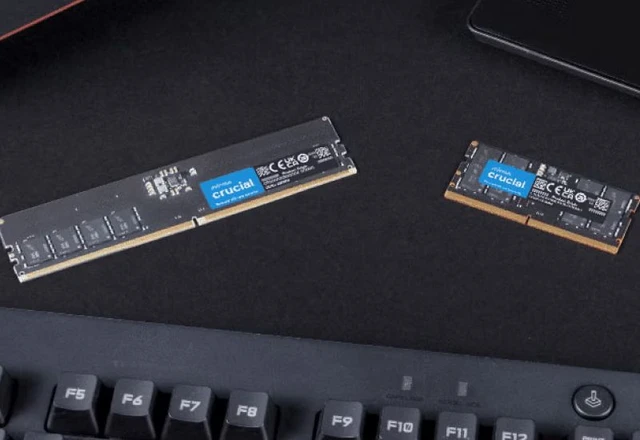
The brunt of the impact was felt by semiconductor and memory manufacturers. Despite a brief window of optimism fueled by strong quarterly reports, Micron shares slid by more than 5%, while Intel dipped 3%. The situation was even more stark in the specialized memory segment: Sandisk's market capitalization plummeted by 10%, while South Korean industry leaders Samsung Electronics and SK hynix recorded declines of 5% and 8%, respectively.
The downturn spanned all major financial hubs. In Europe, the negative momentum swept through ASML, Infineon, and STMicroelectronics, with shares retreating between 2% and 4%. Britain's Arm was not immune, and its parent company, SoftBank, saw its value erode by over 5%. A further catalyst for SoftBank was news of a potential delay of the OpenAI IPO to next year, dampening market expectations for the rapid monetization of breakthroughs in generative AI.
The Asian region, the heart of global chip production, reacted in lockstep. Japan's Advantest lost 10% of its value, and Tokyo Electron dropped 3%. Taiwanese titans TSMC and Foxconn ended the week in the red, while Chinese contract manufacturer SMIC saw a decline of nearly 7%.
Against this backdrop, Apple's stock performance emerges as a genuine market paradox. Early in the week, the company announced price hikes for several of its devices—a direct response to the rising cost of memory components. The market's initial reaction was predictably negative, sending Apple's shares tumbling 5%. However, by the week's end, the trend reversed; investors likely re-evaluated the brand's ability to pass costs on to consumers without sacrificing demand. Ultimately, Apple closed the week up 3%, standing as the only major player to swim against the tide.
Nevertheless, this isolated success does not negate the overarching pessimism. By the end of June, most U.S. tech giants had seen their prices drop by at least 8%, signaling a profound revaluation of assets in an era of expensive hardware and uncertain ROI timelines for AI infrastructure.
 The Dawn of the 2nm Era in the New iMac