The personal computing market is currently navigating a period of significant turbulence, driven by a systemic imbalance between the supply and demand of critical components. As the cost of end-user hardware continues to climb, substantial pressure is being exerted on the consumer segment. The central point of contention remains the timing of the inflection point—the moment when prices will finally begin to retreat. A rigorous analysis of the current landscape allows us to project the timeline for this shift and uncover the underlying drivers of this market volatility.
The modern PC manufacturing industry currently exists in a state of precarious equilibrium. Despite the pervasive pessimism dominating industry briefings, Acer's leadership forecasts an impending price plateau. Current analytical assessments suggest that hardware costs will peak by mid-next year, followed by a gradual decline. However, the path to this relief will be marked by short-term volatility: prices are expected to climb between 5% and 20% over the coming quarter.
The situation regarding central processing units warrants particular scrutiny. Contrary to the prevailing narrative of a total shortage, the market for high-performance silicon remains relatively stable. High-end CPU models are available in volumes sufficient to meet demand. The crisis is primarily concentrated in the budget and mid-range segments, where component shortages are most acute, directly impacting the availability of mass-market PC models.
The state of the DDR4 and DDR5 memory markets remains the most contentious point of debate. There is a growing school of thought that the shortage of these modules has been significantly exaggerated. An optimistic scenario suggests that the deployment of new production capacities will mitigate the issue far sooner than some analysts—who point toward 2030—predict.
Yet, a fundamental clash of interests emerges here. The core issue is not so much a physical absence of chips as it is the pricing strategies employed by suppliers. Memory and SSD manufacturers are seeking to maximize margins by maintaining high shipment prices. Simultaneously, the end consumer is demonstrating resilience to these hikes, refusing to purchase devices at inflated price points. This creates a paradox: the more memory integrated into a specific PC model, the more its price escalates, rendering the product less competitive.
Nevertheless, the industry is far from unified in its outlook. Semiconductor manufacturers and representatives from Intel remain considerably more skeptical. Their forecasts point to a protracted supply crisis that could persist until at least 2028. While long-term contracts signed by many suppliers lock in certain volumes, the gap between actual demand and production capacity remains substantial.
Consequently, the market finds itself squeezed between the optimism of system integrators, who anticipate a swift price correction, and the pragmatism of component manufacturers, who view the shortage as a long-term trend. The final cost of computing in the coming years will depend on which force proves dominant: the profit-driven opportunism of suppliers or the purchasing power of the end user.
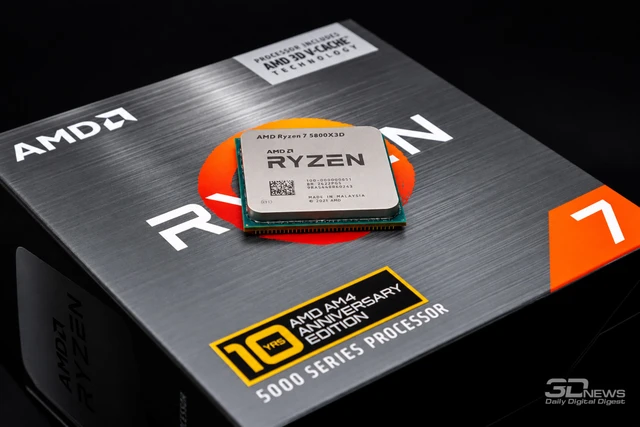 The Second Life of a Legend: Ryzen 7 5800X3D