The global tech sector is undergoing a profound structural transformation. This year's workforce reductions have already eclipsed those of the previous year, signaling the onset of a systemic market correction. Contrary to popular belief, these shifts are driven not merely by automation, but by the necessary correction of the "hyper-hiring" spree seen during the pandemic. The current trajectory reveals a fundamental shift in how corporations manage human capital in an era of volatility.
The contemporary tech landscape is exhibiting a troubling trajectory: the pace of workforce reductions is accelerating. In the first ten days of September alone, the industry shed over 6,000 specialists. Year-to-date, total layoffs have reached 128,536 across 299 companies. For context, the entirety of the previous year saw 122,606 terminations across 278 organizations. This data suggests that headcount optimization is no longer a series of isolated incidents, but has evolved into a systemic trend.
Oracle has adopted the most aggressive posture, with layoffs reaching 21,000 employees—approximately 13% of its total workforce. This is a textbook example of strategic resource reallocation: the company is pivoting heavily toward AI infrastructure. The priority has shifted to the construction and scaling of data centers, a move requiring massive capital expenditure. Consequently, personnel costs have taken a backseat; experts estimate that the resulting savings—between $8 billion and $10 billion annually—are being channeled directly into this technological leap.
Similar dynamics are evident among other industry titans. Since the start of the year, Amazon has announced five separate rounds of cuts, losing over 17,000 employees. Meta Platforms has also optimized its workforce in several stages, with the most significant contraction occurring in May when 8,000 people departed. Dell and Microsoft are following a similar playbook, eliminating thousands of positions as part of a broader efficiency drive.
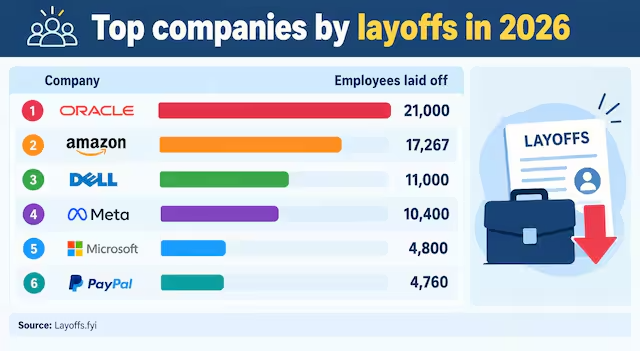
September saw a notable spike in activity from Uber, which announced the termination of 3,300 employees. This accounted for more than half of all sector layoffs in the early part of the month. The company's strategy is transparent: a 10% reduction in headcount, primarily targeting administrative personnel deemed non-critical to core operations. PayPal is employing a similar approach to optimize business processes, aiming to save $400 million by the end of the year and reach total savings of $1.5 billion over the next two to three years.
Against this backdrop, the surgical cuts at Apple appear almost negligible. The dismissal of 200 employees in August may seem like a statistical anomaly, yet it carries significant strategic weight. Half of these specialists were working on the Vision Pro headset, while the rest were focused on Siri and other AI solutions. This indicates a realignment of priorities even within the world's most stable corporations.
It is crucial to recognize that artificial intelligence is not the sole driver of the current employment crisis. According to analysts, AI's influence on layoffs ranges from only 25% to 33%. The remaining causes are fundamental. Primarily, the industry is undergoing a post-pandemic correction. Between 2020 and 2022, tech giants experienced an anomalous surge in demand for digital services, leading to aggressive over-hiring. The market is now returning to reality.
Nevertheless, the impact of automation is becoming increasingly palpable. AI is beginning to displace entry-level specialists and employees in domains where algorithms can already effectively replace human labor. While some positions may be restored in the future, the hiring structure is changing permanently: qualification requirements are rising, and the value of routine administrative overhead is plummeting.

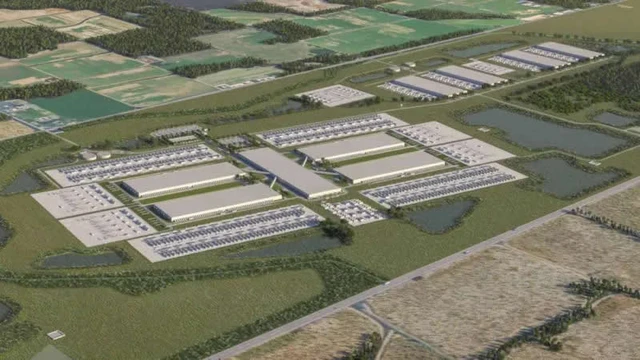 The Environmental Toll of U.S. Technological Leadership