The electric vehicle industry is approaching a critical inflection point, where traditional lithium-ion solutions are no longer capable of delivering the necessary leaps in efficiency. The transition to solid-state electrolytes promises to radically amplify energy density and reduce charging times to a negligible minimum. Chinese titan BYD intends to spearhead this technological arms race, integrating these innovative storage solutions into its production-line models. This shift marks the dawn of a new era in global mobility, where the battle for supremacy will be fought at the level of molecular chemistry.
The evolution of modern electric mobility is inevitably colliding with the inherent limitations of liquid electrolytes. Solid-state batteries (SSBs) have long been hailed as the "Holy Grail" of energy storage: they are potentially safer, more compact, and capable of storing significantly more energy per unit of mass. For BYD, which evolved from the production of lithium cells and currently ranks second globally in market volume, transitioning to a solid-state standard is a strategic imperative for maintaining its dominance.
Vertical integration has enabled BYD to move beyond mere component procurement, allowing the company to architect its own proprietary technological stack. The ability to independently develop and manufacture traction batteries provided the foundation that transformed the company into a leading EV supplier. Now, its ambitions have shifted toward the commercialization of solid-state solutions. According to internal roadmaps, the first models equipped with this technology are expected to hit the market in the near future, serving as a demonstration of technological leadership against global competitors.
The technical execution of this breakthrough is centered within its subsidiary, FinDreams. Engineers are betting on an inorganic solid-state electrolyte based on chlorine-doped lithium thiophosphate (LPSCl). In laboratory settings, prototype cells with capacities ranging from 20 to 60 Ah have demonstrated an impressive energy density of 400 Wh/kg—significantly higher than most contemporary liquid-electrolyte counterparts.
However, the leap from laboratory prototype to assembly line is fraught with significant challenges. While sulfide-based electrolytes offer high ionic conductivity, scaling their production remains a formidable engineering hurdle. Furthermore, a battery in a production vehicle is subjected to constant vibration and extreme temperature fluctuations, necessitating a complete rethink of cell architecture to ensure long-term durability and safety.
The global race in this segment has reached a fever pitch. Japan's Toyota and Korea's Samsung SDI are also targeting the mass rollout of solid-state solutions by 2027–2028. Nevertheless, BYD plans a phased approach: first launching a limited pilot run of a thousand batteries to stress-test the technology, with full-scale mass production slated for 2030.
Economic considerations play a pivotal role here. Due to the high cost of novel materials and the necessity of upgrading production lines, solid-state batteries will initially be the exclusive province of premium marques such as Denza and Yangwang. This high-end segment will allow the company to amortize the costs of innovation before the technology becomes accessible to the mass market.
In the long term, the market will not witness an abrupt displacement of one technology by another. It is expected that conventional lithium-ion batteries and their solid-state successors will coexist for 15–20 years. This period of gradual migration will allow the industry to refine manufacturing processes and drive down component costs, transforming the solid-state cell from a niche luxury into the industry standard.
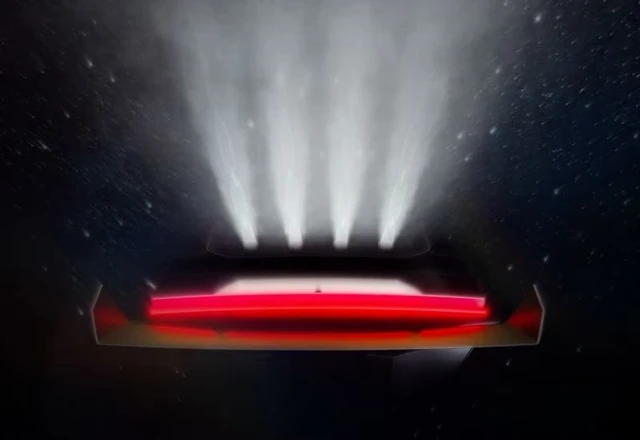 Tesla Roadster: A New Wave of Ambition