For decades, the pursuit of propellant-less propulsion has stood as one of the most formidable challenges in astronautics. The inherent limitations of onboard propellant have long dictated the rigid boundaries of mission longevity and spacecraft agility. Yet, the emergence of compact superconducting systems is opening a new frontier, allowing Earth's magnetic field to serve as an external lever for satellite navigation. By translating solar energy into direct kinetic impulse, this technology is radically redefining the paradigm of orbital maneuvering.
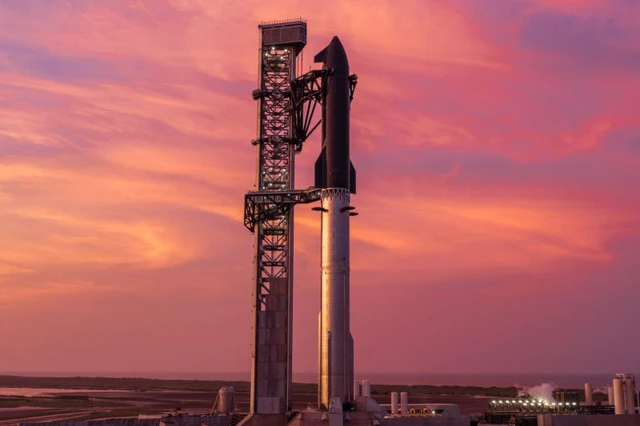
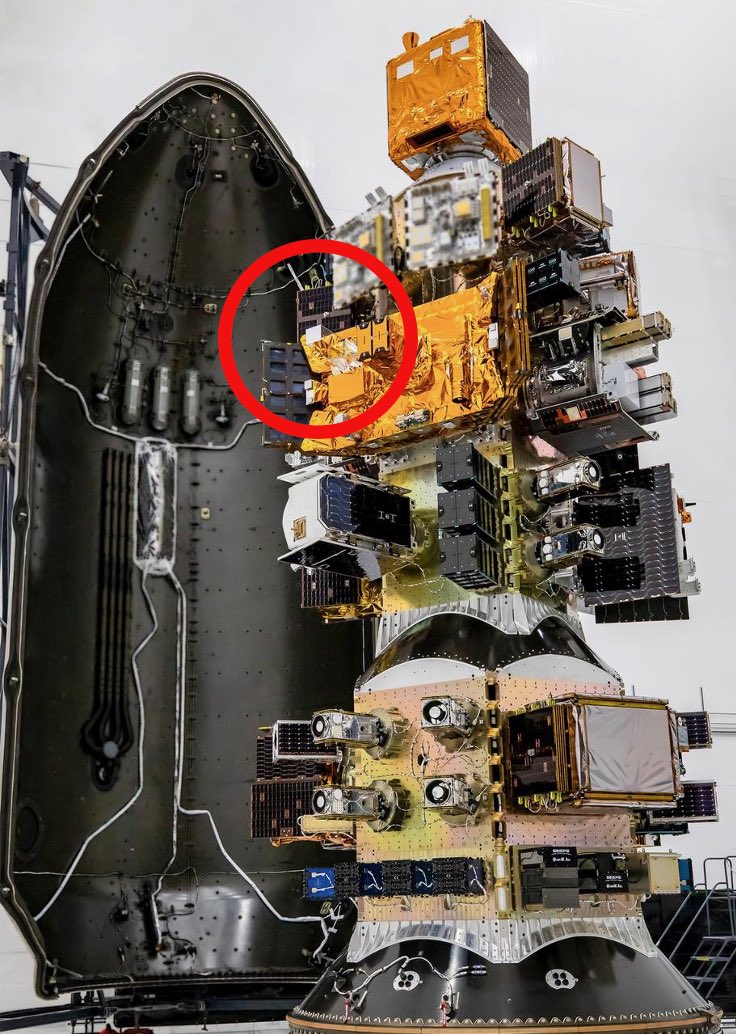
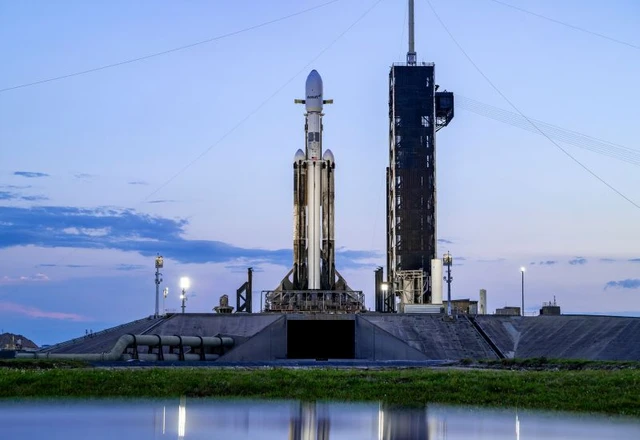
For decades, space exploration has been bound by the constraints of the Tsiolkovsky rocket equation: to move, one must expel mass. However, the emergence of the Supertorquer system, developed at the University of Auckland, proposes a fundamental paradigm shift. Rather than incinerating chemical propellants, the device leverages the interaction between its own magnetic fields and Earth's geomagnetic environment. Initial successful tests aboard the Mira satellite, launched via the SpaceX Transporter 12 mission, have validated the viability of this concept.
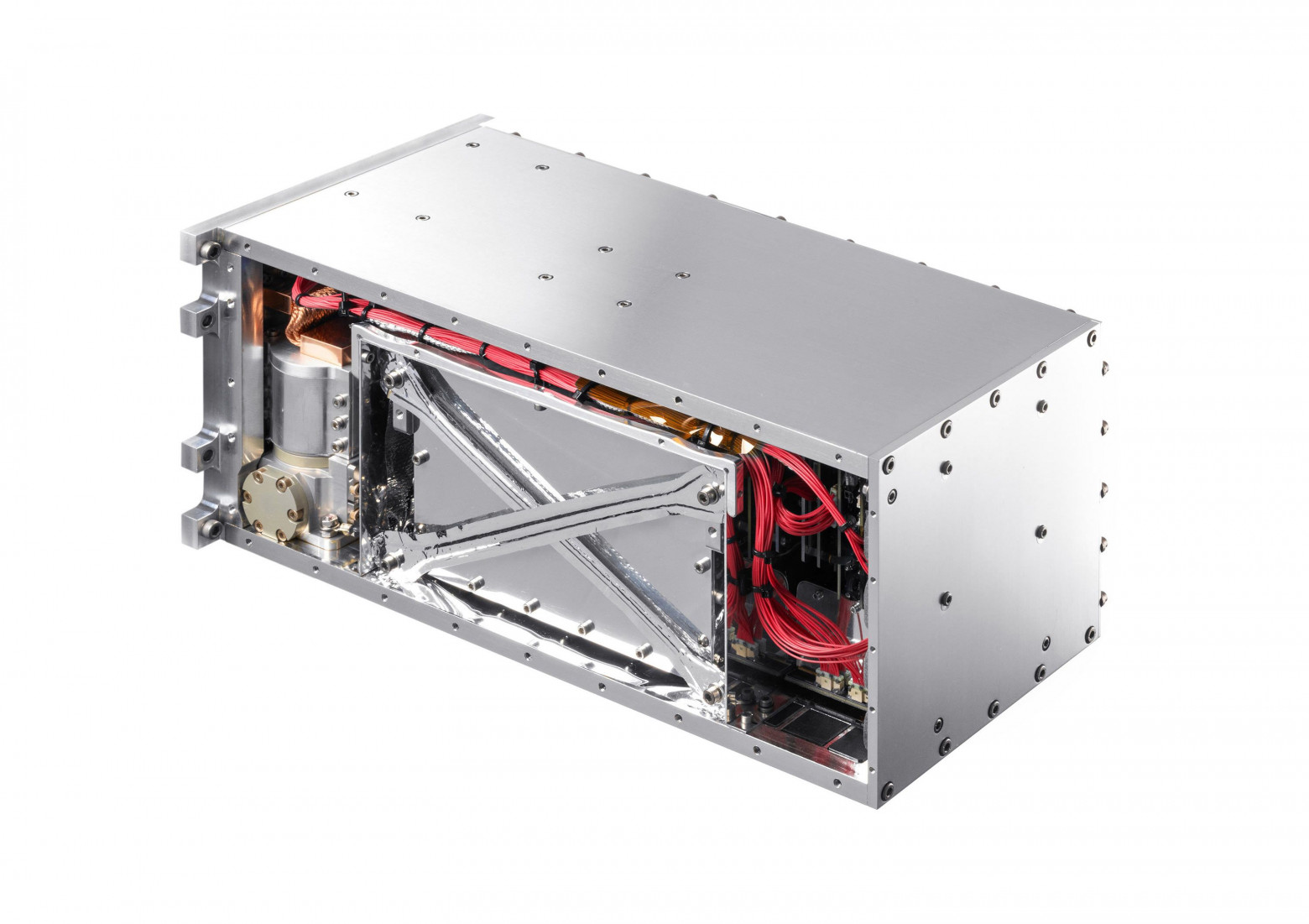
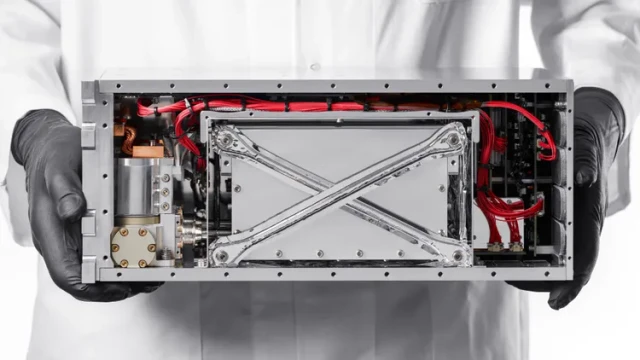
Roughly the size of a shoebox, the device consists of a complex array of superconducting magnets aligned across different axes. When powered, these magnets generate a potent field that interacts with the planet's magnetic field. By modulating the parameters of this interaction, operators can control the spacecraft's orientation with high precision and mitigate uncontrolled tumble, effectively using Earth's magnetic web as a fulcrum for rotation.
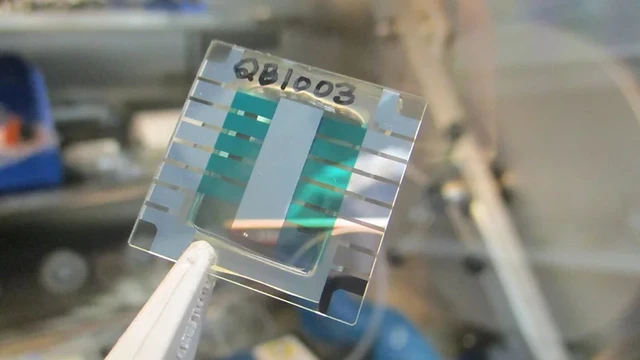
The core technological advantage lies in the use of superconductors. Unlike conventional conductors, they exhibit zero electrical resistance, allowing immense currents to flow without energy loss through heating. This, in turn, enables the creation of magnetic fields of unprecedented strength—levels that would be unattainable using standard copper windings given the stringent power constraints of a satellite.
However, implementing this vision presented a formidable thermodynamic challenge. Superconducting properties only manifest at cryogenic temperatures—approximately minus 200 degrees Celsius. While a prevailing misconception suggests that space is uniformly cold, a satellite exposed to direct solar radiation can heat up to +20 degrees Celsius. In a vacuum, where heat dissipation is limited strictly to radiative transfer, cooling the system becomes a critical engineering hurdle.
To overcome this, engineers bypassed cumbersome cryogenic tanks of liquid helium, which are impractical for small form factors. Instead, the magnet assembly was encased in high-efficiency multi-layer insulation and equipped with a specialized heat pump that forcibly rejects excess heat into the void of space. This creates a closed-loop system: solar panels harvest energy, transfer it to batteries, which then power the superconducting coils, effectively converting stellar light directly into the mechanical work required to reposition the craft.
The scalability of this technology extends far beyond simple satellite stabilization. In the future, such systems could facilitate spacecraft docking and intricate proximity operations without the consumption of fuel. In the long term, the development of ultra-powerful magnetic drives could be the key to interplanetary voyages to the Moon and Mars, with the sun serving as the primary energy source.
Beyond propulsion and orientation, superconducting magnets offer a solution to one of the most pressing dangers of deep space: radiation. By generating powerful magnetic "umbrellas" around crew modules or ships, it would be possible to deflect streams of ionizing radiation, creating an artificial magnetosphere analogous to Earth's. This would shield the crew from cosmic rays and solar flares, rendering long-term human presence beyond low Earth orbit safe.
The next phase of development will be the launch of a larger demonstration craft, scheduled for the end of this year. This milestone will provide the final confirmation of the system's efficiency at the scale necessary for full-scale commercial and scientific deployment in space.
 SpaceX’s Hundred-Billion Dollar Leap into Louisiana