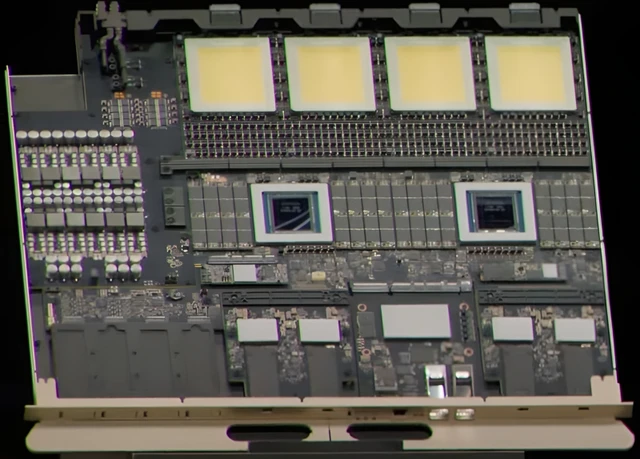
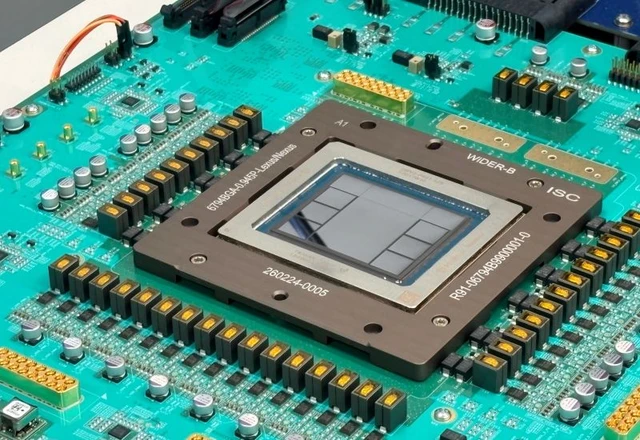
The boundary between orbital logistics and cognitive computing is irrevocably blurring. The evolution of xAI into SpaceXAI signals Elon Musk’s pivot from overseeing a constellation of disparate startups toward the construction of a unified technological monolith. Space infrastructure, social communication, and artificial intelligence have now converged into a single, integrated ecosystem. This represents a strategic paradigm shift: the objective is no longer merely the exploration of space, but the establishment of the intellectual foundation necessary for a multi-planetary civilization.
The rebranding of xAI as SpaceXAI serves as the definitive coda to a sweeping consolidation of assets. Following SpaceX's absorption of the Grok developers in February and the integration of X Corp into the holding structure in March 2025, it has become clear that Elon Musk is pursuing total synergy across his ecosystem. Under the unified SpaceXAI banner, rocket technology, global connectivity, and cutting-edge neural networks are merging, transforming the company into a conglomerate of unprecedented scale.
The catalyst for this metamorphosis was SpaceX's entry into the public markets this June. The Initial Public Offering (IPO) went down in history as one of the largest globally, raising $75 billion and propelling the company's market valuation to an astronomical $1.77 trillion. This financial triumph briefly crowned Musk as the world's first trillionaire, granting him virtually unlimited resources to pursue his most ambitious and high-risk ventures.
Beneath the spectacle of rocket launches, however, lies a far more profound transformation. An analysis of the IPO filings reveals an unexpected priority: investments in artificial intelligence have become the dominant expenditure. In 2025, SpaceX's capital expenditures (CapEx) for AI development reached $12.7 billion—more than triple the spending allocated to its space segment and the Starlink network. While this sector currently operates at a net loss, leadership views it as the company's primary growth vector.
The SpaceXAI strategy extends far beyond the realm of conversational AI. The company is constructing a colossal computing infrastructure that has already begun generating massive revenue. The Colossus data centers have become the "digital oil" of the modern era: Anthropic pays $1.25 billion per month for access to their compute power, while Google pays $920 million. Consequently, AI infrastructure has evolved into a powerful financial engine that effectively subsidizes the company's cosmic expansion.
Simultaneously, the company is executing a radical overhaul of its product roadmap. Acknowledging that the flagship Grok model was flawed, SpaceXAI decided to rebuild the system from the ground up. To achieve this, the company made an aggressive move, acquiring Anysphere—the creators of the AI-powered editor Cursor—for $60 billion. This acquisition signals a strategic pivot from simple generative models toward the creation of sophisticated tools for autonomous programming and the management of complex systems.
The culmination of this evolution is slated for 2028. SpaceXAI plans to deploy full-scale data centers in orbit—"compute-capable satellites." By migrating computation beyond Earth's atmosphere, the company aims to solve critical server cooling and energy consumption challenges, creating a global intelligent network capable of serving humanity anywhere in space. In this vision, AI is no longer just software; it becomes the foundational infrastructure for the survival and progress of civilization.
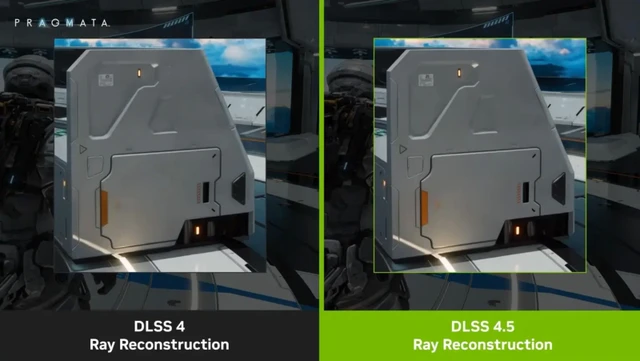 The Evolution of Rendering in DLSS 4.5