Humanity is once again attempting to defy the natural rhythms of day and night. Reflect Orbital’s ambitious venture to deploy orbital mirrors promises to transform sunlight into a controllable resource, accessible even in the depths of darkness. Yet, this technological leap ignites a profound conflict between the relentless drive for innovation and the preservation of the night sky’s pristine majesty. The FCC's decision to greenlight the launch of the first satellite, Eärendil-1, opens the door to an era where planetary illumination could be commodified as a commercial service.
The concept of manipulating sunlight from orbit has transitioned from the realm of science fiction into a concrete engineering blueprint. Reflect Orbital, a California-based startup, has received official authorization from the U.S. Federal Communications Commission (FCC) to deploy its experimental craft, Eärendil-1. The core of the project involves the creation of a massive orbital reflector capable of redirecting solar rays toward the night side of the Earth.
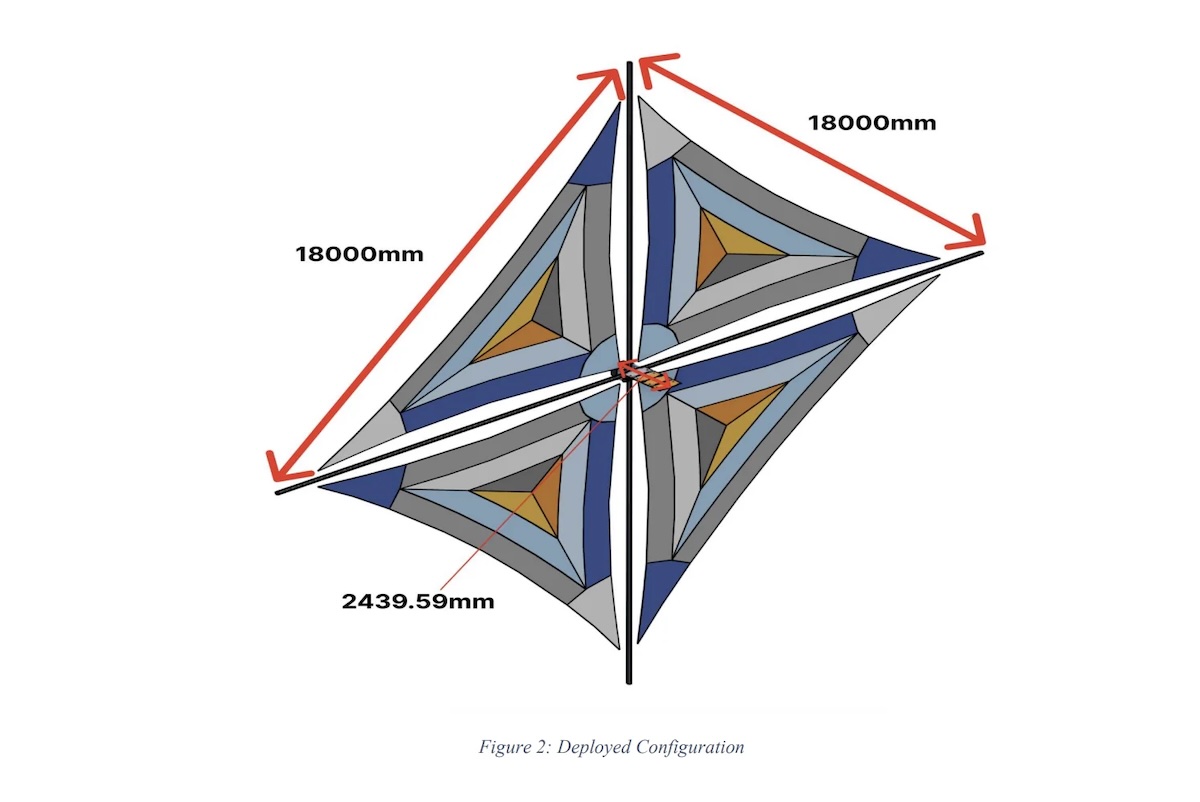
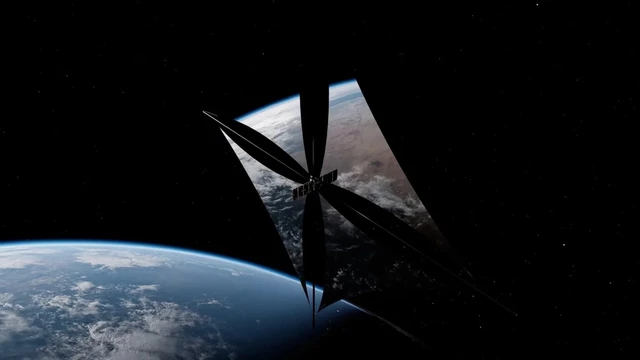
The technical architecture of Eärendil-1 relies on an expansive, ultra-thin reflective membrane measuring 18 by 18 meters. With a total reflective surface area of 324 square meters, the satellite can project a beam of light approximately five kilometers wide. The craft will be positioned in Low Earth Orbit (LEO) to ensure the necessary precision in beam focusing.
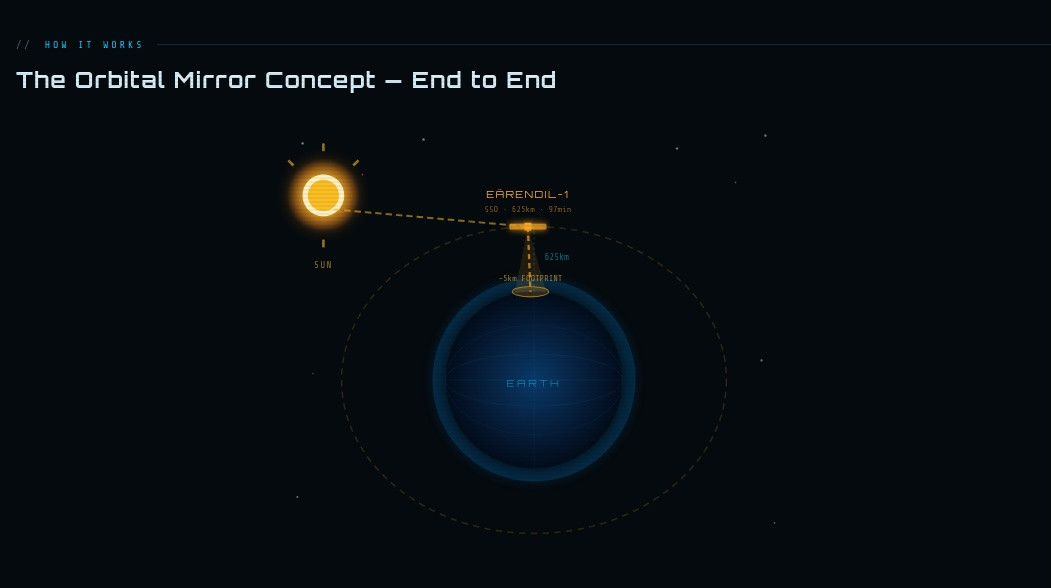
The practical implications of such technology are immense. Primarily, it offers a solution to the inherent intermittency of solar power: the ability to feed solar power plants during the night could radically enhance the efficiency of renewable energy sources. Furthermore, precision illumination could become a critical tool in disaster recovery, providing light to devastated regions where ground-based infrastructure has been completely obliterated.
Beneath this veneer of technological optimism, however, lies a staggering infrastructural challenge. While the initial launch is a mere demonstration, Reflect Orbital’s long-term strategy is dauntingly ambitious: by 2035, the company intends to deploy a constellation of over 50,000 such satellites. It is this sheer scale that has triggered a wave of backlash from ecologists and the professional scientific community.
The U.S. astronomical community has expressed profound concern that these "space mirrors" will create unprecedented levels of light pollution. Beyond the obvious detriment to fundamental astronomical research—much of which is state-funded—there are significant operational hazards. These include the potential blinding of civil aviation pilots, motorists, and amateur astronomers, whose vision could be compromised by sudden, intense flashes of reflected light.
The situation is further complicated by the fact that the FCC has effectively stepped beyond its traditional mandate, which is typically limited to the regulation of the radio frequency spectrum. Nevertheless, the regulator deemed the project's support justified, citing legislation that encourages the implementation of innovative services in the public interest. The agency emphasizes that the current permit applies only to a single test unit rather than the entire future constellation, thereby attempting to distance itself from the broader ecological risks.
Reflect Orbital’s business model aims for the total democratization of access to light. The company has already begun accepting orders for "light delivery" services to any point on the planet. In an ideal scenario, a user could select a target location directly from a smartphone, with the request executed via a mesh of interacting satellites. Eärendil-1, scheduled for launch by the end of this year, is intended to be the first link in this global system of light management.
 Space Debris Poses a Growing Threat to Low Earth Orbit Constellations