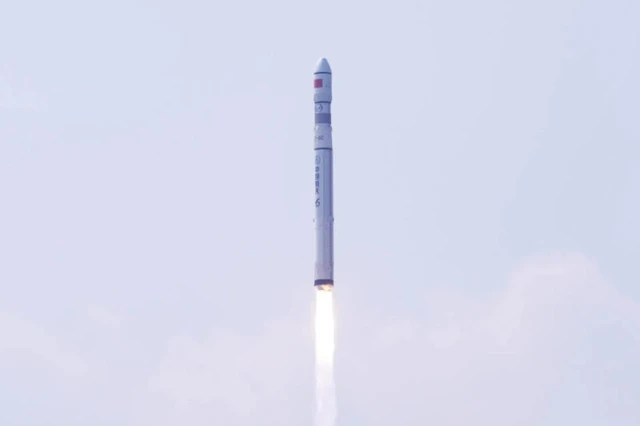
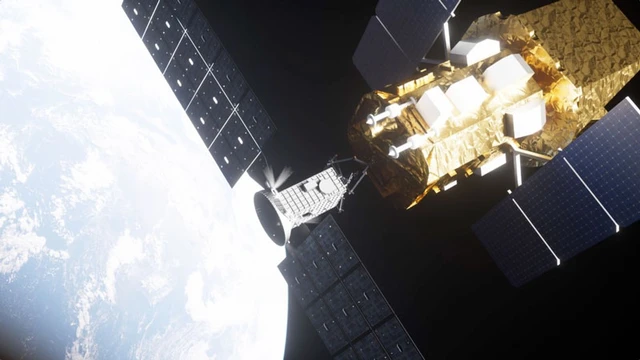
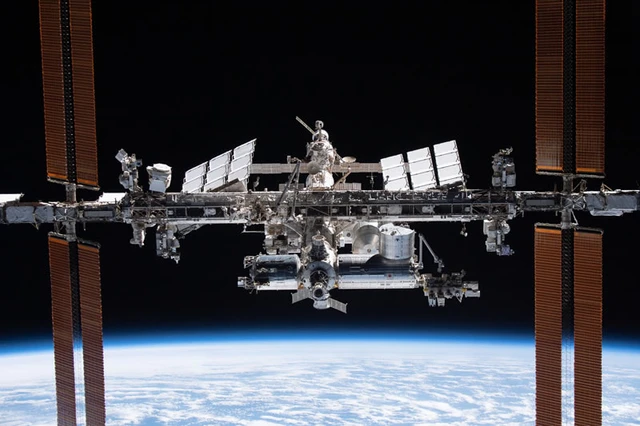
The era of the International Space Station is drawing to a close, marking the end of an unprecedented chapter of global cooperation in the cosmos. Today, the focus is shifting toward a new paradigm: the comprehensive commercialization of Low Earth Orbit (LEO). NASA has unveiled detailed requirements for private orbital platforms, aiming to orchestrate a seamless transition as humanity pushes toward new frontiers. This pivot effectively transforms the agency from a sole operator into a strategic client within a rapidly accelerating space economy.
The shift from state-driven dominance to market-led mechanisms in orbit is becoming a reality. NASA has released a draft Request for Proposals (RFP) that lays the groundwork for the second phase of its commercial space station program. The primary objective of this strategic maneuver is to prevent a critical void in human presence in Low Earth Orbit (LEO) following the decommissioning of the International Space Station (ISS).
The implementation mechanism is designed as a multi-tiered vetting process. The agency plans to utilize two types of contracts: Firm-Fixed-Price (FFP), where the price is locked and the contractor assumes the risk, and Indefinite-Delivery/Indefinite-Quantity (IDIQ), which allows for flexible service procurement in the future. Initially, two or more contractors will be selected for the development, certification, and testing of their stations. Only after this phase will NASA conduct a final selection of the companies that will actually provide orbital services.
A pivotal strategic decision was the abandonment of the idea of a government-owned "core" module. Previously, a model was discussed in which NASA would provide a central hub to which private segments would attach. However, the industry pushed for complete autonomy. Companies are striving to build independent platforms, underscoring their desire to move beyond mere subcontracting to become full-fledged owners of space infrastructure. According to NASA Administrator Jared Isaacman, the private sector is confident in the existence of genuine commercial demand, where the government agency becomes just one of many clients.
The road to this document has been fraught with friction. Months of delays created an atmosphere of uncertainty for ambitious contenders such as Axiom Space, Blue Origin, Vast, and Voyager. The causes of this inertia were rooted in classic bureaucratic and financial complexities: uncertainty surrounding U.S. Congressional budgets and internal strategic revisions within NASA itself.
However, the publication of the draft RFP has not brought total peace of mind to the industry. On the contrary, it has triggered a wave of apprehension. The primary point of contention is the sheer volume of requirements. Instead of the expected few hundred parameters, the document contains over 3,000 technical and organizational specifications.
This reveals a fundamental conflict in methodology. In the traditional "cost-plus" model (cost reimbursement plus a fixed profit), the state assumes all risks and maintains meticulous oversight of every detail. In the Firm-Fixed-Price (FFP) model, the responsibility for the outcome rests solely with the company. Experts, including former program lead Phil McAllister, note that the volume of requirements in the new document more closely resembles the old, bloated "cost-plus" model. Attempting to marry rigid government control with a fixed budget could prove to be a prohibitive burden for private companies unless funding is substantially increased.
The financial side of the equation remains opaque. Initial projections suggest a potential funding volume of $1.5 billion over five years, but the final sum and the distribution of funds among the winners have yet to be determined.
The industry now has a window for consultation: comments on the draft are being accepted until July 27. The final version of the documentation is expected in September, with the winners of the competition to be announced next spring. This process will shape the architecture of Low Earth Orbit for decades to come and determine whether private capital can truly replace the state apparatus in the exploration and utilization of orbit.
 The Economics of Foldable iPhone Maintenance