The global AI arms race has transcended a mere competition of algorithms, evolving into a full-scale war of infrastructure. To secure the computational power required for the future, the world's largest tech conglomerates have assumed unprecedented levels of debt. However, the era of unconditional investor confidence is now yielding to a period of pragmatic skepticism. At stake today is not only technological supremacy, but the fundamental financial stability of the industry's own giants.
For decades, the software development industry was regarded as the gold standard of high profitability coupled with minimal capital expenditure. The "asset-light" model allowed companies to scale almost instantaneously without the burden of owning physical assets. However, the expansion of cloud computing, followed by the explosive rise of generative AI, has fundamentally shifted this paradigm. Market dominance now demands ownership of colossal hardware arrays, effectively transforming software giants into a heavy industry.
Over the last five years, Alphabet, Amazon, Meta, Microsoft, and Oracle have fundamentally restructured their financial strategies, increasing their aggregate debt obligations by approximately $350 billion. These funds are being channeled into the construction of hyperscale data centers—the essential bedrock for training and deploying neural networks. The corporate gamble is straightforward: massive investments today will secure monopolistic revenue streams tomorrow. For a long time, the bond market enthusiastically supported this trajectory, but a troubling shift has recently emerged. For instance, Amazon's $25 billion bond offering was met with an unexpectedly cool reception from investors, signaling a potential reassessment of the capital limits available to sustain these tech titans.
Financial resilience in this arms race is uneven. Although debt service costs have more than doubled since 2019, reaching the $10 billion mark, this figure is still offset by free cash flow for most of these players. However, these aggregate figures mask significant disparities. While Google maintains an impressive operating surplus, Amazon has periodically faced negative free cash flow. Oracle appears the most vulnerable: by 2025, its debt will have exceeded its sales volume by 2.5 times, prompting S&P Global Ratings to downgrade its credit rating to the lowest investment-grade level.
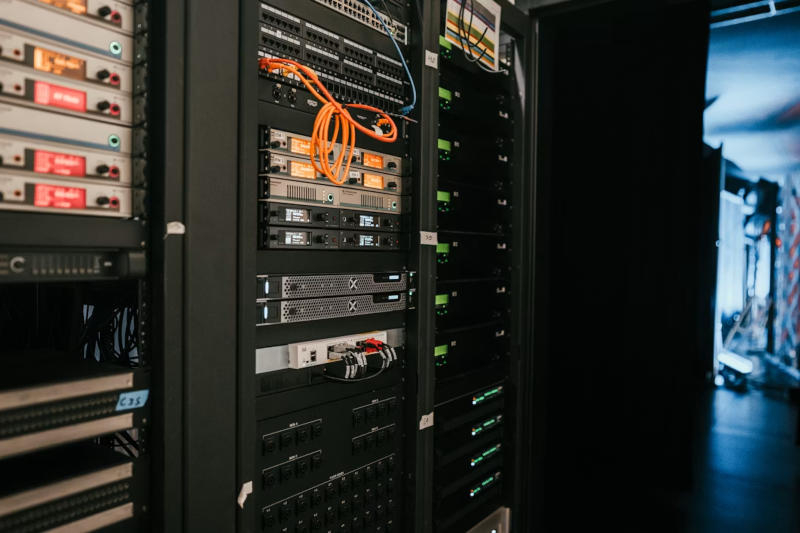
The cost of entry into the "AI club" continues to climb. Modern data centers require more than just a higher volume of servers; they demand fundamentally different and prohibitively expensive hardware—primarily specialized accelerators from Nvidia and sophisticated cooling systems. This year, the combined infrastructure spending of the largest hyperscalers could reach a staggering $725 billion. To fund these expenditures, companies are utilizing every tool in their arsenal: from cash reserves and new loans to complex off-balance-sheet arrangements designed to keep a portion of their debt obligations off the primary financial statements.
Industry history serves as a reminder that even decades of absolute dominance offer no immunity to a debt crisis when the technological paradigm shifts. The case of Intel serves as a poignant cautionary tale. Long the undisputed leader of the chip market, Intel accumulated massive debt to expand production and reward shareholders, but it fatally lagged in developing competitive AI accelerators. Consequently, Intel found itself in a position where its survival became dependent on investments from Nvidia—the very company it had spent decades attempting to constrain.
The market is currently in a holding pattern. Upcoming quarterly reports will serve as the primary indicator for investors: will Big Tech be able to monetize its expenditures quickly enough to justify these bloated balance sheets, or are we witnessing the formation of one of the largest infrastructure investment bubbles in history?
 Nvidia’s Big Bet on Physical Intelligence