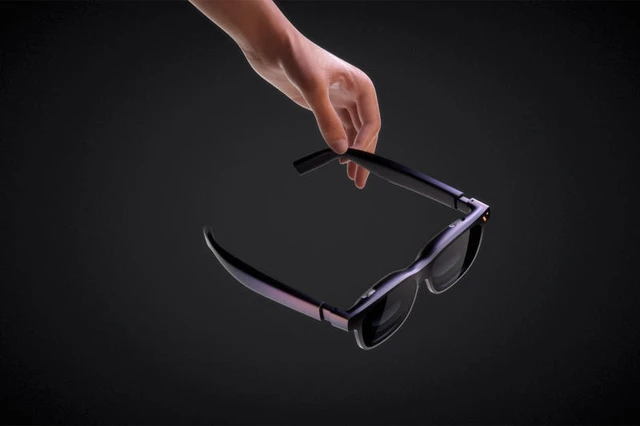
The wearable display industry is steadily evolving, transitioning from cumbersome prototypes toward devices that integrate seamlessly into everyday attire. For developers, the primary challenge remains striking a precise balance between uncompromising visual fidelity and ergonomic comfort. Viture’s latest iteration of extended reality (XR) glasses seeks to resolve this tension by pairing high luminance with a minimal weight profile. This product marks a pivotal shift toward the concept of "invisible" technology—innovation that augments our reality without imposing upon it.
The contemporary XR landscape demands more from manufacturers than mere resolution bumps; it requires a profound commitment to optical fidelity. With the Viture Pro 2, the primary focus is on eradicating common mobile display pitfalls: peripheral distortion, geometric aberrations, and image instability. The result is a meticulously calibrated field of view and enhanced sharpness, transforming content consumption into a seamless, natural visual experience.
At the heart of the device lies a Micro-OLED display boasting a peak luminance of up to 1,600 nits. This specification is critical for utility outside controlled lighting environments, ensuring that contrast and color saturation remain vivid even under intense ambient light. While official resolution specs remain undisclosed, we can expect evolutionary continuity from the first Pro generation, where a 1200p standard paired with a 120Hz refresh rate delivered fluidity comparable to modern gaming monitors.
The approach to accessibility and ergonomic design is particularly noteworthy. The integration of two independent diopter adjustment dials directly into the frame allows users with prescriptions up to -5.0 to operate the device without supplementary lenses. Meanwhile, the total weight is a mere 63 grams. This aggressive pursuit of lightweight design effectively blurs the line between cumbersome XR systems and sleek AR glasses, positioning the Viture Pro 2 as one of the most compact contenders in its class today.
The ecosystem is augmented by the Mobile Dock Mini—a compact station with a credit-card form factor that significantly expands the glasses' functional capabilities. This dock addresses interoperability and power management, featuring an integrated 10,000 mAh battery and HDMI support. Its modular architecture allows the adapter to be detached for dual-glass output via a single USB port, transforming a personal gadget into a tool for shared viewing experiences. Furthermore, the inclusion of a USB Type-C port enables the station to function as an external power bank for smartphones or handheld consoles.
The strategic market positioning of the Viture Pro 2 appears meticulously calculated: the glasses are priced at $299, with the dock available for $99. This pricing strategy democratizes a high-tech visual experience, ensuring it is accessible to a broad audience rather than being confined to a narrow niche of enthusiasts.
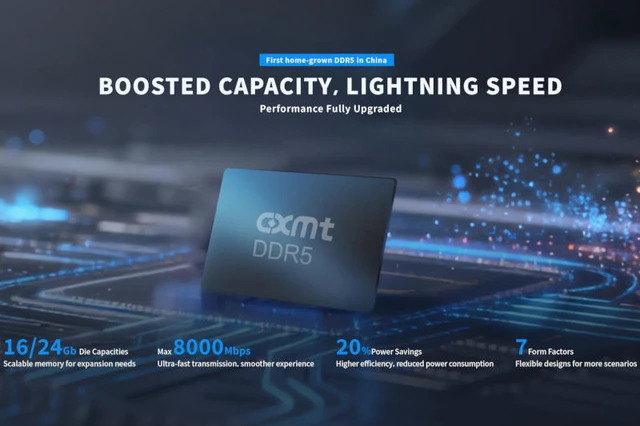 The Price of Acceleration: CXMT’s Rapid Push into Memory