The wearables market is undergoing a fundamental transformation, shifting away from simple wrist-based notifications toward deep, seamless physiological analysis. Against this backdrop, Apple has begun exploring a new form factor: a device entirely devoid of a screen. The objective is to develop a specialized bio-tracker designed to occupy the strategic niche between multifunctional smartwatches and professional-grade medical sensors. This pivot could radically redefine the company's approach to health monitoring and human longevity.
The wearables industry is reaching a pivotal realization: constant screen interaction is often redundant when the primary objective is the collection of clean, raw physiological data. Aligning with this shift, Apple has initiated a project to develop a screenless fitness tracker. Currently, the initiative is framed as a "technological exploration"—an internal quest for optimal solutions to augment the company's existing health ecosystem. The project enjoys strong backing from senior leadership, including Tim Cook and Eddy Cue, the latter of whom currently oversees the evolution of Apple's health monitoring services.
Conceptually, the device is envisioned as a minimalist fabric strap with an integrated computing module and high-precision sensors. Unlike the Apple Watch, which serves as a comprehensive wrist-worn computer replete with notifications and apps, this new gadget focuses exclusively on biometrics. This streamlined approach allows for significant optimization of power consumption and ensures maximum comfort for 24/7 wear—including deep sleep—which is critical for a high-fidelity analysis of bodily recovery.
Intriguingly, Apple has tapped specialists from the Vision Pro division to assist in the tracker's development. Their expertise in miniaturizing complex sensor arrays and integrating electronics into wearable mixed-reality components has proven invaluable in developing a compact module that remains discreet while maintaining medical-grade accuracy.
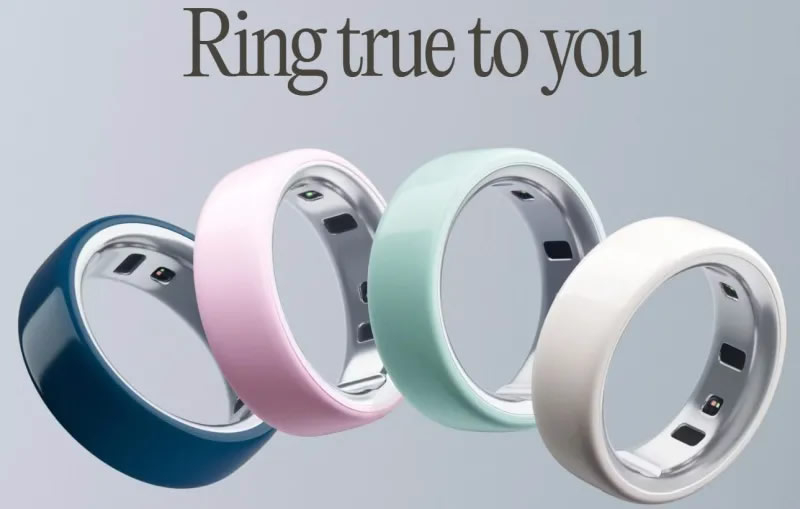
Apple's strategic interest in this segment is driven by the success of players like Whoop and Oura. These companies have cultivated a "biohacking" culture, where users prioritize readiness scores, heart rate variability (HRV), and sleep stage quality over simple step counts. Apple has already begun integrating similar concepts into its own ecosystem; recent updates to the Health app and Apple Watch feature more advanced heart rate analytics and attempts to estimate the user's biological age.
However, the journey from prototype to mass-market product will be an arduous one. Preliminary estimates suggest the device may not hit the market until 2028, contingent upon internal tests confirming the project's commercial viability. Apple continues to experiment with various form factors, exploring the possibility of launching smart glasses and camera-integrated earbuds as early as 2027.
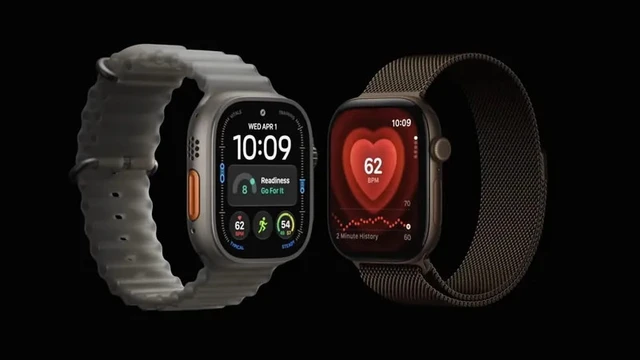
Ultimately, the company is moving toward a distributed sensor network, where the Apple Watch remains the central management hub, while specialized screenless devices handle deep, background monitoring of physiological metrics. This evolution transforms wearable electronics from a mere accessory into a comprehensive system for preventive medicine.
 Qualcomm’s New Standard for Mobile Performance