Apple continues its methodical refinement of its ecosystem's aesthetics, pushing toward a universal visual language. The latest refresh of the Mac mini and Mac Studio, powered by M5 Ultra chips, arrives with a subtle yet conceptually significant shift in peripherals. The newest iteration of the Magic Keyboard ditches text labels in favor of intuitive iconography. This move completes a broader drive toward interface unification—a trend already established across the MacBook Neo, Air, and Pro lineups.
Apple's hardware evolution often follows a trajectory of radical simplification, where every detail must be functionally justified. The launch of the new Mac mini and Mac Studio, powered by the formidable M5 Ultra chips, provided the perfect catalyst for updating accompanying accessories. At the center of this refresh is the Magic Keyboard, which introduces a shift in the very philosophy of user interaction.
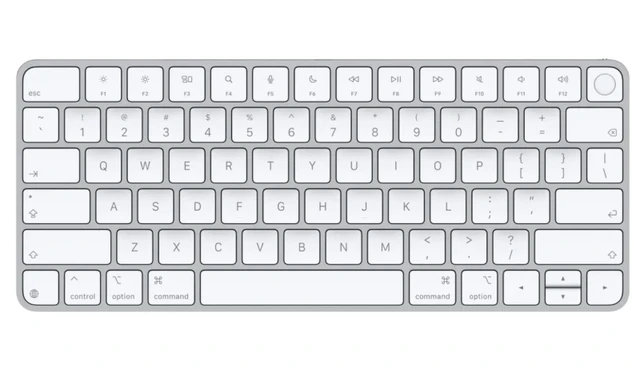
The most significant modification concerns the key legends. Apple has transitioned from text-based labels to graphic symbols for several functional elements. Keys such as Tab, Caps Lock, Return, Shift, and Delete have shed their familiar text, replaced by minimalist icons. On extended layouts featuring a numeric keypad, a similar transformation has been applied to the Home, Page Up, and Page Down keys. Meanwhile, core system modifiers—Esc, Control, Option, and Command—retain their textual designations, serving as steadfast navigational anchors.
This design shift is far from arbitrary. The move toward iconography allows Apple to create a truly universal product, ensuring a consistent and intuitive experience regardless of the user's region or language. This approach strips away visual noise and brings the peripherals into stylistic alignment with the MacBook series, where this logic was previously implemented.
From a technical standpoint, the Magic Keyboard remains faithful to its core principles. The familiar layout and functionality are preserved, with USB Type-C remaining the primary connectivity standard—further underscoring the company's commitment to total cable unification.
The pricing structure for the update is as follows: the base model is available for $99, the version featuring an integrated Touch ID sensor is priced at $149, and the full-size model with a numeric keypad and biometric authentication costs $179.
The update concludes with an unexpected touch in the accessories category. Apple has introduced a new polishing cloth. While the material remains unchanged—a soft, non-abrasive fabric designed for screen care—the price has been significantly reduced. Now retailing at $9, down from the previous $19, this essential maintenance tool has become more accessible to a broader user base.
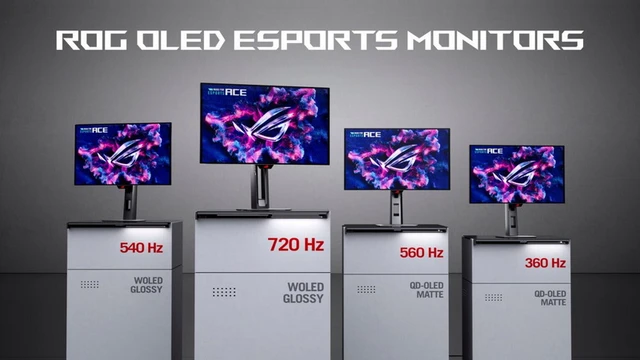 The Speed Limits of Modern Gaming Displays