The global semiconductor standoff is transitioning from a phase of trade restrictions into a period of profound structural market realignment. For a considerable time, suppliers from Japan and the Netherlands enjoyed relative operational freedom, filling the void created by stringent US sanctions. However, recent data indicate a decisive pivot: China is shifting toward the aggressive import substitution of critical equipment. This trajectory signals the beginning of the end for Beijing’s technological dependence on its eastern neighbors.
The geopolitical landscape of semiconductor manufacturing is shifting rapidly. While American companies were forced to restrict exports to China during the early stages of sanctions pressure, Japanese and Dutch manufacturers long remained the primary beneficiaries of this rift. However, the windfall period has come to an end. Statistics from the latest fiscal year reveal a troubling trend for Tokyo: the share of Chinese revenue in the portfolios of leading equipment suppliers is steadily declining.
The scale of this shift becomes evident when analyzing the performance of the five largest Japanese players. Their combined revenue in the Chinese market fell by 12%, dropping to $9.11 billion. The case of Tokyo Electron is particularly telling: while China accounted for up to half of the company's total revenue in the second quarter of 2024, this dependency began to erode sharply by the end of the fiscal year. On an annual basis, the Chinese market's share of the company's revenue structure shrank from 34% to 27%.
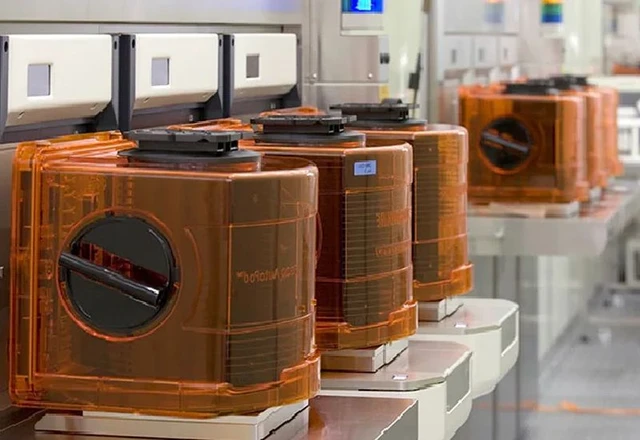
This crisis is not distributed evenly across the production cycle. The primary blow has hit the "front-end" segment—the initial stage of production involving silicon wafer processing. This is precisely where China has made its greatest strides in developing homegrown alternatives. As the country masters the fundamental processes of lithography, etching, and deposition, the demand for imported installations is the first to plummet.
This is a systemic trend that extends beyond Japan. The Dutch giant ASML, which holds a virtual monopoly on advanced EUV systems, is also recording a downturn: China's share of its revenue in the first quarter of this year fell from 27% to 19%. At the same time, the overall volume of the Chinese equipment market remains colossal—approximately $49.3 billion, representing 37% of total global demand. The market is not shrinking; it is undergoing a structural transformation.
The driver of these changes is not merely state coercion, but the pragmatic calculations of the largest technological players. Huawei Technologies has played a pivotal role here. After being hit hard by sanctions in 2019, the company evolved from a mere chip consumer into the chief architect of a national ecosystem. Huawei is actively investing in local equipment suppliers, helping them integrate their solutions into actual production chains, which effectively accelerates the pivot away from Western and Japanese technologies.
According to estimates from MIR analysts, the pace of import substitution is impressive. In the front-end processing segment, the share of domestic equipment in the PRC rose from 10% in 2021 to 21% last year. Progress is even more pronounced in the "back-end" segment—final processing and chip packaging—where localization jumped from 19% to 36%.
Nevertheless, Japanese business is not losing on all fronts. In the realm of final testing and quality control, Chinese companies still rely on Japanese precision. For instance, the measurement and test systems manufacturer Advantest recorded a revenue increase in China of nearly 20%, while Disco saw a gain of approximately 10%.
This paradox is explained by the fact that Chinese chipmakers are not simply meeting domestic needs, but are aggressively scaling up the export of their products. Increased production volumes require more testing and packaging equipment, which temporarily sustains Japanese sales in this narrow niche. In the long term, however, the trajectory remains unchanged: China is striving for total autonomy, and every success in import substitution renders the position of foreign suppliers increasingly precarious.
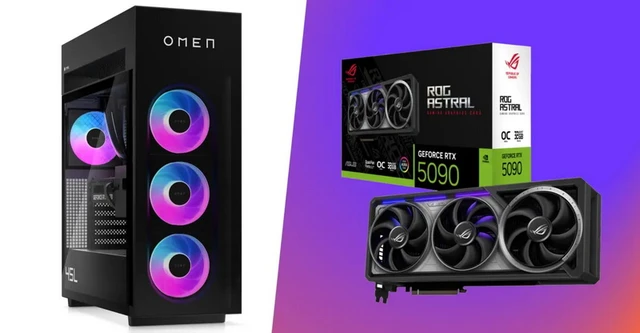 The Economic Paradox of the GeForce RTX 5090