The visual technology industry is nearing a critical inflection point, as existing data transmission standards have become the primary bottleneck stifling display innovation. The introduction of HDMI 2.2 is poised to disrupt this status quo, delivering an unprecedented leap in bandwidth. This standard paves the way for resolutions that were considered overkill until recently, and refresh rates that effectively blur the line between the digital realm and reality. We are on the cusp of a massive hardware overhaul that will ripple across the entire ecosystem—from high-end home cinemas to flagship gaming rigs.
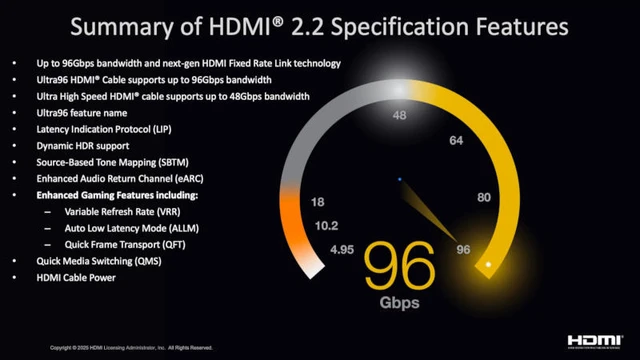
The landscape of digital signal transmission is poised for a paradigm shift. The HDMI 2.2 specification, finalized in June 2025, represents far more than a mere iterative update; it is a fundamental leap in performance. The cornerstone of this new standard is a doubling of bandwidth compared to HDMI 2.1, pushing data transfer rates to a staggering 96 Gbps.
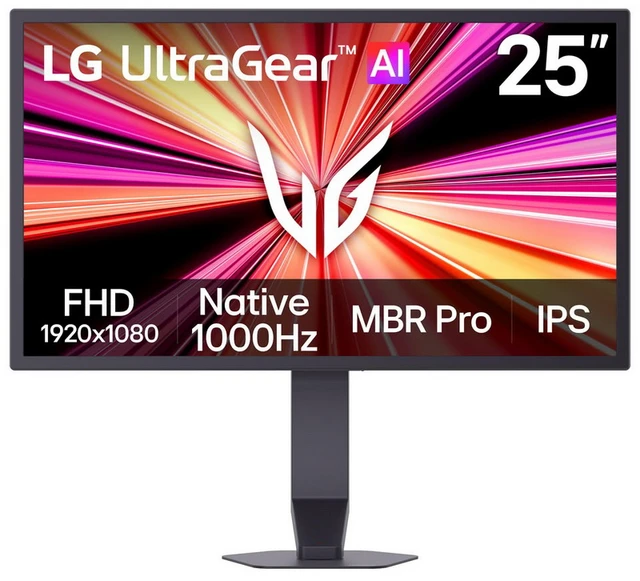
This technological surge is driven by the implementation of new FRL2 chipsets, which are currently entering the manufacturer testing phase. By shattering previous data transfer ceilings, HDMI 2.2 enables use cases that were previously precluded by the physical constraints of the interface. Specifically, the standard unlocks 4K resolution at a 480Hz refresh rate—a potential game-changer for the esports industry. For enthusiasts of ultra-high resolution, the specification offers support for 8K at 240Hz and even the futuristic 12K format at 120Hz.
The rollout of this technology will be phased. The first wave of hardware to hit the market will be certified HDMI Ultra96 cables, designed to maintain a stable 96 Gbps data stream. However, the full realization of the standard's potential hinges on hardware support at the endpoint level. It is expected that HDMI 2.2 will first debut in premium-tier televisions and monitors, where the demands for image fidelity and motion fluidity are most acute.
Of particular interest is the integration of the standard into the PC and console ecosystems. Support for HDMI 2.2 is expected to become a baseline specification for next-generation graphics cards, specifically the Nvidia RTX 60 series and AMD’s RDNA 5-based solutions. This development will serve as the foundation not only for desktop GPUs but also for the next cycle of gaming consoles, including the Sony PlayStation 6 and the next iteration of Xbox, currently known by the codename Project Helix.
HDMI 2.2 takes on critical significance within the context of evolving frame generation technologies. As neural network algorithms increasingly create interpolated frames to enhance motion smoothness, massive interface bandwidth becomes a mission-critical resource. This capacity will allow for the transmission of enormous data volumes without latency or loss, ensuring a seamless synergy between GPU compute power and the capabilities of modern displays.
 The Economic Paradox of the GeForce RTX 5090