In the budget laptop market, the line between optimistic marketing and outright deception is often precariously thin. A recent controversy surrounding Chuwi serves as a stark illustration of how technical specifications can be weaponized to mislead consumers. At the heart of the issue is the systemic inflation of display parameters and even core system components. This case underscores a critical question regarding manufacturer accountability within the entry-level hardware segment.
The saga of the UniBook laptop began as a classic collision between marketing hyperbole and the cold reality of laboratory benchmarks. The manufacturer positioned the device as featuring a high-quality 14-inch IPS display with a resolution of 1920 × 1200 pixels, a brightness of 300 nits, and—most crucially—100% sRGB color gamut coverage. For users engaged in entry-level content creation, this specific metric serves as a critical benchmark for color accuracy.
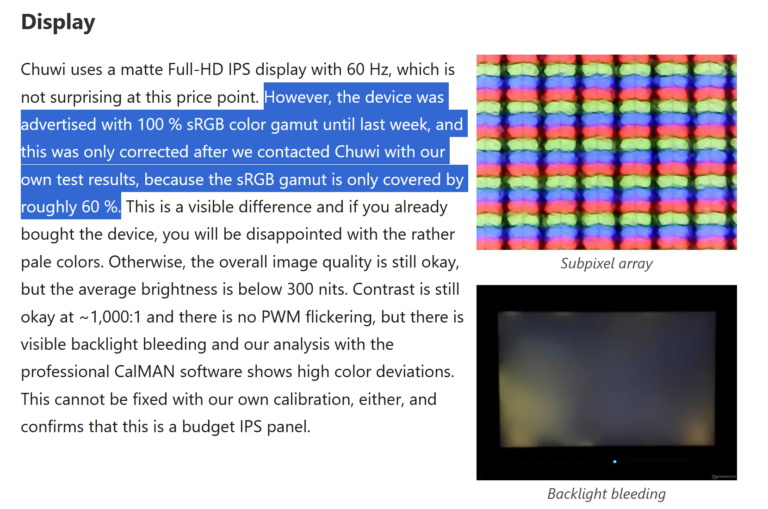
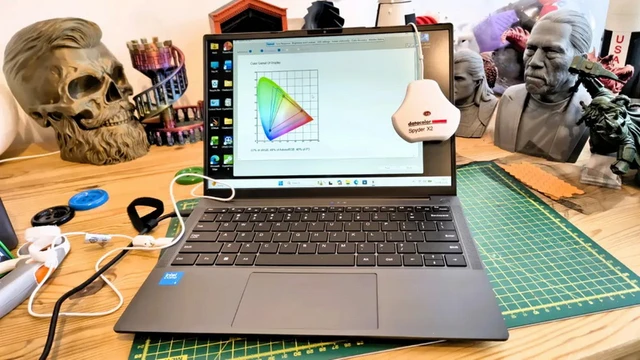
However, independent testing quickly shattered this illusion. Using a professional X-Rite i1Pro 3 spectrophotometer, the experts at Notebookcheck discovered that the actual sRGB coverage was a mere 58.9%. Similar results were echoed by other industry staples like TechRadar and The Verge, which recorded values in the 63–64% range. Such a significant discrepancy between the official claims and reality suggests a systemic issue rather than an isolated defective unit.
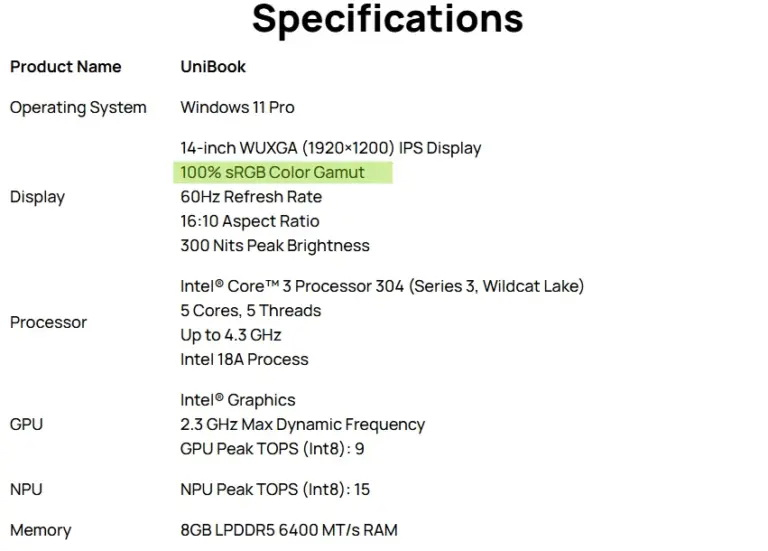
Chuwi’s response to the exposure was devoid of transparency. When Notebookcheck reached out to the brand for clarification—specifically asking if they had tested a pre-production sample with a different panel—the company silently confirmed the accuracy of the measurements. Rather than issuing an official apology or explanation, Chuwi simply scrubbed the mention of 100% sRGB coverage from the UniBook’s product description. The updated specifications now list only the resolution and brightness, both of which proved to be accurate under testing.
Unfortunately for Chuwi, this is far from an isolated incident. The market was previously rocked by a scandal involving the CoreBook X and CoreBook Plus lines. In several units advertised as being powered by the modern AMD Ryzen 5 7430U processor, testers found outdated and less performant Ryzen 5 5500U chips instead. The attempt to dismiss the incident as a "production process error" rang hollow, especially following a statement from AMD asserting that the company had not authorized such processor relabeling.
In the budget segment, where a laptop retails for around $450, subpar screen quality can often be justified as a necessary cost-saving measure. However, the core issue here is one of corporate ethics. When a brand systematically provides misleading hardware specifications, consumer trust evaporates, turning the purchase of a device into a game of chance.
 The Price of Acceleration: CXMT’s Rapid Push into Memory