Modern cybersecurity has evolved into a relentless arms race—a landscape where a single coding oversight can jeopardize the data of millions. The discovery of a critical vulnerability within the Zoom client for Windows serves as a stark reminder of the inherent fragility underlying our remote communication infrastructure. Unlike typical local exploits, this flaw enables remote execution, effectively obliterating the traditional barriers of physical system access. Consequently, the routine act of patching software is transformed from a mere maintenance task into the primary line of defense for safeguarding one's digital identity.
The cybersecurity landscape has been rattled by the disclosure of CVE-2026-53412, a critical vulnerability affecting the Zoom ecosystem for Windows. This is far more than a mere technical glitch; it is a systemic breach that allows an unauthorized remote attacker to completely hijack a victim's account over the internet. The severity of the threat is underscored by a CVSS score of 9.8, signaling a near-maximum level of risk for both end-users and the enterprise sector.
At its technical core, the issue stems from improper input validation. In an ideal security model, software must act as a rigorous filter: any data entering the system—whether via network traffic, API requests, or file contents—must undergo strict verification to ensure it adheres to expected formats, sizes, and types. In this instance, Zoom failed to implement these safeguards, allowing malicious data to bypass filters and distort the application's intended operational logic.
When this "gatekeeping" mechanism fails, it opens the door to the most dangerous exploitation scenarios: from authentication bypasses and unauthorized privilege escalation to Remote Code Execution (RCE). The fact that no physical access to the device is required makes this vulnerability significantly more perilous than standard Windows OS bugs, effectively turning any machine running Zoom into a potential target.
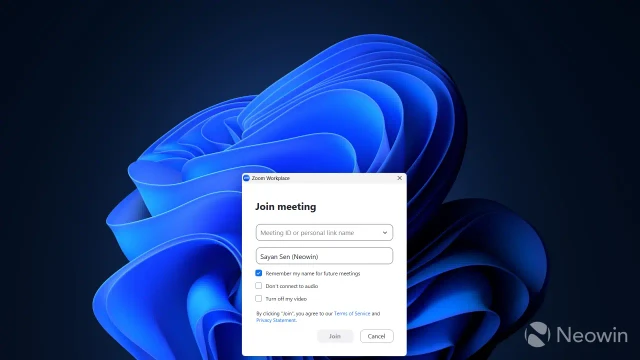
The scope of impact is broad, encompassing Zoom Workplace for Windows (versions prior to 7.0.0), the specialized VDI Client (including branches 6.5.18, 6.6.15, and versions up to 7.0.10), as well as the Zoom Meeting SDK. For the average user, the remedy is straightforward: update to the latest version. However, for large-scale organizations, the task is more complex, requiring a reconfiguration of centralized deployment systems to prevent the accidental rollback to vulnerable versions during automated installation cycles.
This incident reflects a broader and more troubling trend regarding the degradation of security within SaaS platforms. We have previously seen cases where flaws in Google OAuth implementations allowed attackers to intercept corporate data by registering domains for non-existent companies. Such attacks on identity mechanisms create a domino effect: once an account is compromised, the attacker gains the keys to an entire ecosystem of tools—from Slack and Notion to ChatGPT and specialized HR platforms. In an era where user identity has become the new security perimeter, any failure in data validation becomes an open door for global espionage.
 Nvidia N1X and the New Era of Arm PCs