The line between tablets and full-fledged computers continues to blur, evolving mobile devices into legitimate tools for professional-grade productivity. Today's market demands more than just larger displays; it requires a quantum leap in computational performance and ergonomic design. The Xiaomi Pad 9 Pro Max emerges as the answer to this demand, pairing uncompromising hardware with an ultra-slim chassis. This device seeks to redefine the very notion of productivity beyond the confines of a traditional workstation.
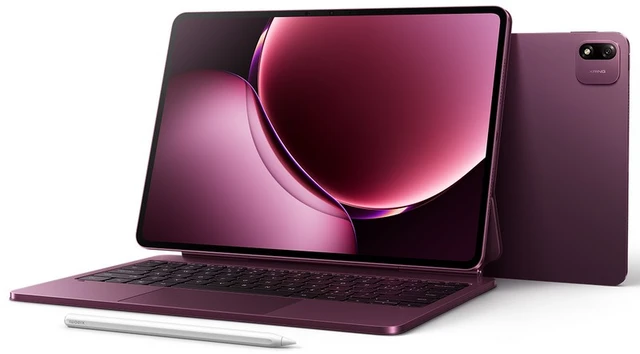
The design language of the new flagship underscores a commitment to technological minimalism. Its unibody aluminum chassis, measuring just 5.67 mm in thickness and weighing 645 grams, evokes a sense of lightness without compromising structural rigidity. This approach to industrial design ensures the device remains portable while maintaining the capabilities of a full-fledged workstation.
At the heart of the system lies the Xring O3 processor, engineered on a cutting-edge 3-nanometer process. Synergizing with the Xring NPU (Neural Processing Unit), this chip delivers impressive performance. Internal benchmarks indicate that multi-threaded tasks and GPU acceleration are approaching Apple M5 levels, effectively repositioning the tablet as a device capable of handling demanding workloads previously reserved for desktop solutions.
The visual experience is driven by a 13.3-inch display with a 3:2 aspect ratio—an optimal choice for document editing and coding. A 3.4K resolution (3408 × 2272 pixels) paired with a 144Hz refresh rate ensures flawless interface fluidity. Of particular note is the color fidelity, boasting a Delta E≈0.47 and a peak brightness of 1,000 nits, making the device suitable for professional color grading. For those operating under intense lighting, a version featuring a nano-soft light coating is available to effectively suppress glare and reflections.
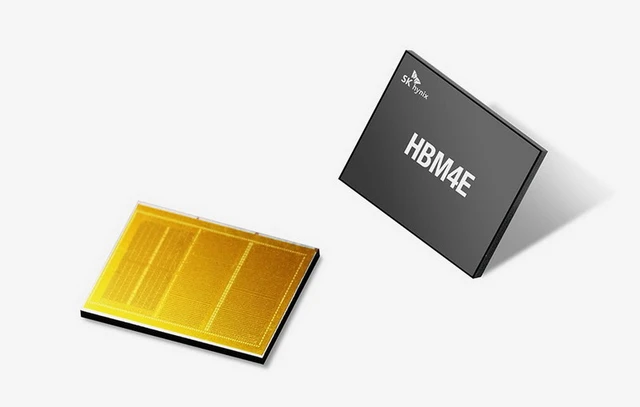
The memory architecture of the Pad 9 Pro Max signals a strategic transition to next-generation standards. While base versions utilize LPDDR5X and LPDDR5T, the top-tier modification is equipped with LPDDR6 memory, significantly increasing bandwidth and reducing power consumption under heavy loads. RAM configurations range from 8 to 16 GB, while UFS 4.0 internal storage reaches up to 1 TB, ensuring near-instantaneous data access.
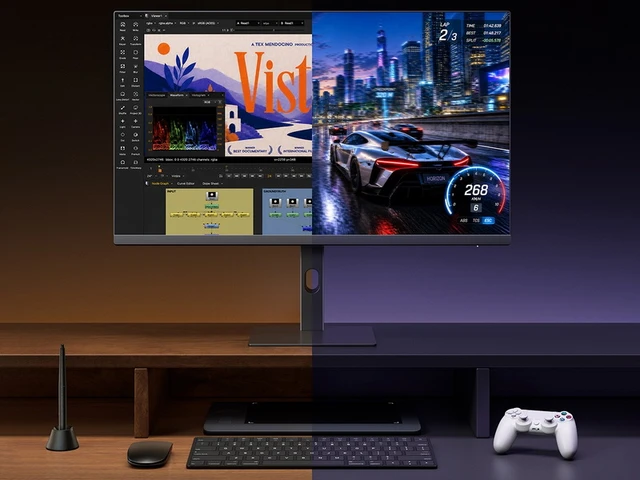
Functional versatility is expanded through the integration of a DP-in (DisplayPort Input) port. This feature transforms the tablet into a fully functional external monitor for a PC, a graphics tablet, or a display for a gaming console, vastly broadening its utility in professional environments. Connectivity is handled by the latest Wi-Fi 7 and Bluetooth 6.0 protocols, guaranteeing minimal latency during data transmission.
Power autonomy is anchored by a massive 12,000 mAh battery. To minimize downtime, the device integrates Xiaomi Surge Charge technology with 120W fast charging. The multimedia suite consists of an eight-speaker array and a six-microphone system with Dolby Atmos support and Hi-Res certification, creating a comprehensive acoustic environment for video conferencing and audio production.
On the software front, Surge OS 4 (an evolution of HyperOS 4.0) has been deeply optimized for large-screen form factors. The system implements a desktop-class interface supporting scalable multi-window layouts, allowing users to operate six applications simultaneously. The integration of professional software, such as CapCut Pro and Pixel Cake, solidifies the device's status as a dedicated tool for content creators.
Market positioning covers a broad spectrum: from a base model priced at $715 to the maximum configuration—featuring 1 TB of storage and the anti-glare screen—which reaches $1,177.
 The Expansion of the 1c Process Node in DRAM