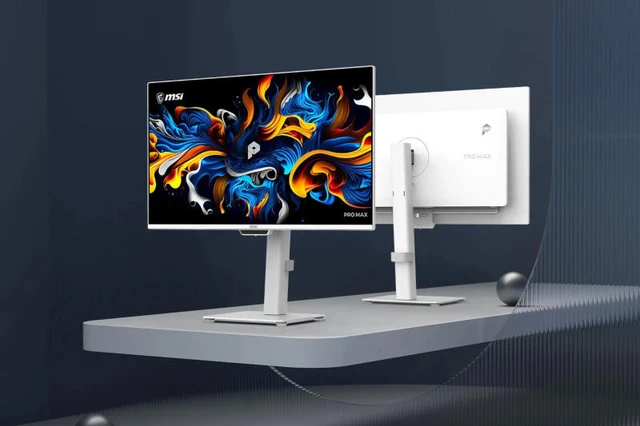
The contemporary display market is currently navigating a quest for the perfect equilibrium—bridging the gap between the infinite contrast ratios of organic LEDs and the surgical precision of traditional LCD panels. For years, the industry has grappled with persistent challenges such as text fringing and pixel degradation, hurdles that historically sidelined OLED technology from high-end professional workflows. The advent of Inkjet Printing (IJP) marks a pivotal shift, opening a new chapter in the manufacturing of high-resolution displays. The PRO MAX OLED 271UPJW12 stands as the culmination of this evolution, delivering an uncompromising visual experience tailored for the most rigorous professional demands.
The visual technology industry is taking a pivotal leap forward with the integration of Inkjet Printing (IJP) into OLED panel production. Unlike traditional vacuum deposition, this method allows for more precise distribution of organic materials, substantially reducing manufacturing waste and paving the way for innovative subpixel architectures. In the PRO MAX OLED 271UPJW12 monitor, an RGB Stripe layout is implemented, effectively mirroring the structure of classic LCD panels. This is critical for rendering text and graphics: it eliminates the color fringing often seen on many OLED displays, while a pixel density of 164 PPI ensures flawless image clarity on the 27-inch 4K screen.
The device's technical specifications reflect a sophisticated approach to color reproduction and dynamic range. With 99% DCI-P3 coverage combined with a Delta E ≤ 2, this monitor transforms into a professional-grade tool for colorists and designers where precision is paramount. VESA DisplayHDR True Black 500 certification guarantees absolute blacks, while a peak brightness of 1,000 nits enables stunning HDR effects without sacrificing detail in the highlights. A 120Hz refresh rate ensures that interface navigation and dynamic scenes feel natural, blurring the line between a professional workstation and an entertainment hub.
Burn-in has historically been the Achilles' heel of organic LEDs. The solution here is the MSI OLED Auto Care suite, which shifts panel maintenance from manual intervention to full automation. At the heart of this system is Data Counting Compensation (DCC) technology. Operating in the background, DCC continuously analyzes the load on individual pixels and applies real-time brightness compensation. This proactive approach significantly extends the panel's lifespan, relieving the user from the need to manually trigger pixel cleaning or refresh cycles.
Particular attention has been paid to physical durability and ergonomic interaction. The monitor's anti-glare coating has undergone a qualitative evolution: increasing hardness from 2H to 3H makes the surface two and a half times more resistant to mechanical damage and scratches—a critical factor for intensive daily use. Simultaneously, the MSI EyesErgo concept has been implemented to reduce cognitive load and ocular fatigue. TÜV certifications and the Eyesafe 3.0 standard confirm a 20% reduction in harmful blue light emissions at the hardware level. Furthermore, compliance with the Circadian Protection Factor (CPF) means the monitor accounts for the impact of light waves on melatonin production, helping preserve the user's natural biorhythms even during extended evening sessions.
Completing this professional toolkit is a robust connectivity and management ecosystem. An integrated KVM switch allows for the control of multiple devices via a single set of peripherals, while PIP (Picture-in-Picture) and PBP (Picture-by-Picture) functions turn the screen into a versatile digital canvas. A USB Type-C port with 15W power delivery enables a minimalist workspace by consolidating data, video signals, and power into a single cable. All of this is complemented by a fully adjustable stand that allows for the perfect viewing angle, transforming the IJP OLED technology stack into an ergonomic and efficient tool for modern digital production.
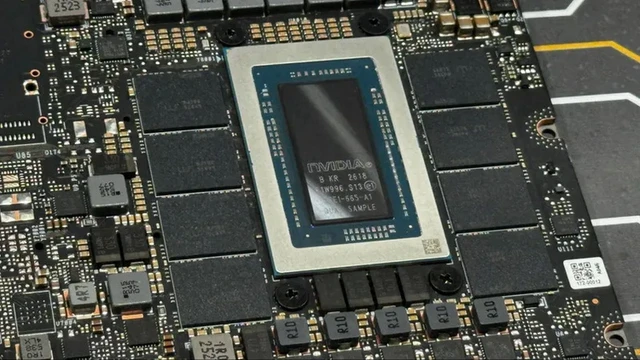 Nvidia N1X and the New Era of Arm PCs