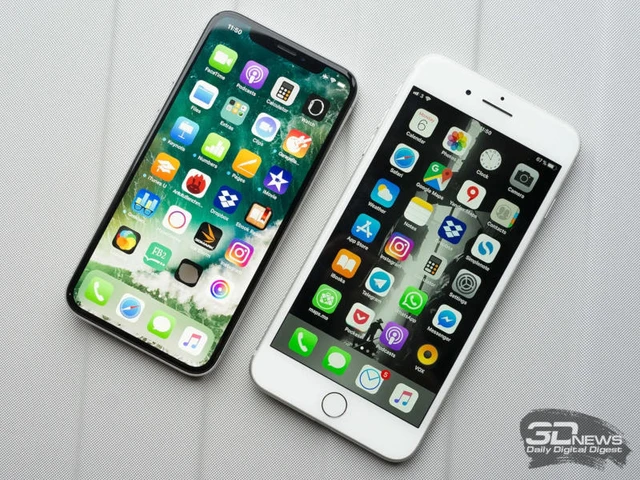
The lifecycle of modern hardware is governed by rigid boundaries; once crossed, a cutting-edge device inevitably transforms into a digital artifact. For millions, the iPhone X represented a paradigm shift—a bold leap toward a new design language and a fundamental reimagining of how we interact with our data. Yet, time is an unrelenting force, and Apple has now officially relegated these once-iconic devices to "obsolete" status. This designation signifies more than just a cessation of software updates; it marks the definitive end of official manufacturer-level servicing and hardware support.
The legacy of the iPhone X represented a paradigm shift for the entire smartphone industry; it was this model that signaled the departure from the physical Home button in favor of Face ID and an edge-to-edge display, establishing an aesthetic standard that would dominate for years to come. Nearly a decade after its triumphant debut, this anniversary device has officially transitioned to "obsolete" status. Joining it in this category is the 2018 15-inch MacBook Pro, underscoring the rapid generational turnover occurring even within the professional workstation segment.
Within the Apple ecosystem, there is a strict distinction between "vintage" and "obsolete" devices. While vintage status merely indicates that a product is no longer sold, an obsolete designation carries severe implications: the company completely ceases the supply of original spare parts to authorized service providers. This effectively renders official repairs impossible, leaving owners to rely on the third-party components market, where quality is often inconsistent.
Typically, this process is triggered seven years after a model is discontinued. However, Apple maintains a degree of flexibility regarding its Mac lineups; battery replacements may remain available for up to ten years, provided the necessary components are still in stock. This highlights the divergent approaches to the lifecycles of mobile devices versus full-scale computers.
Software support has similarly reached its logical conclusion. For the iPhone X, the final milestone was iOS 16.7.16, effectively severing the device from modern security patches and new operating system capabilities. A similar fate has befallen the 2018 MacBook Pro, with support concluding at macOS 15.7.7. Consequently, these devices are transitioning from primary productivity tools into the realm of collectibles or auxiliary gadgets, bringing their functional histories to a close.
 The Price of Acceleration: CXMT’s Rapid Push into Memory