Modern aviation safety hinges on the absolute structural integrity and pressurization of the fuselage. At cruising altitude, even a marginal structural flaw can instantaneously transform a routine flight into a desperate fight for survival. The recent Ryanair incident serves as a stark illustration of the catastrophic physics inherent in explosive decompression. Occurring amidst a string of systemic failures plaguing Boeing aircraft, this event once again brings critical questions of quality control and material fatigue to the forefront.
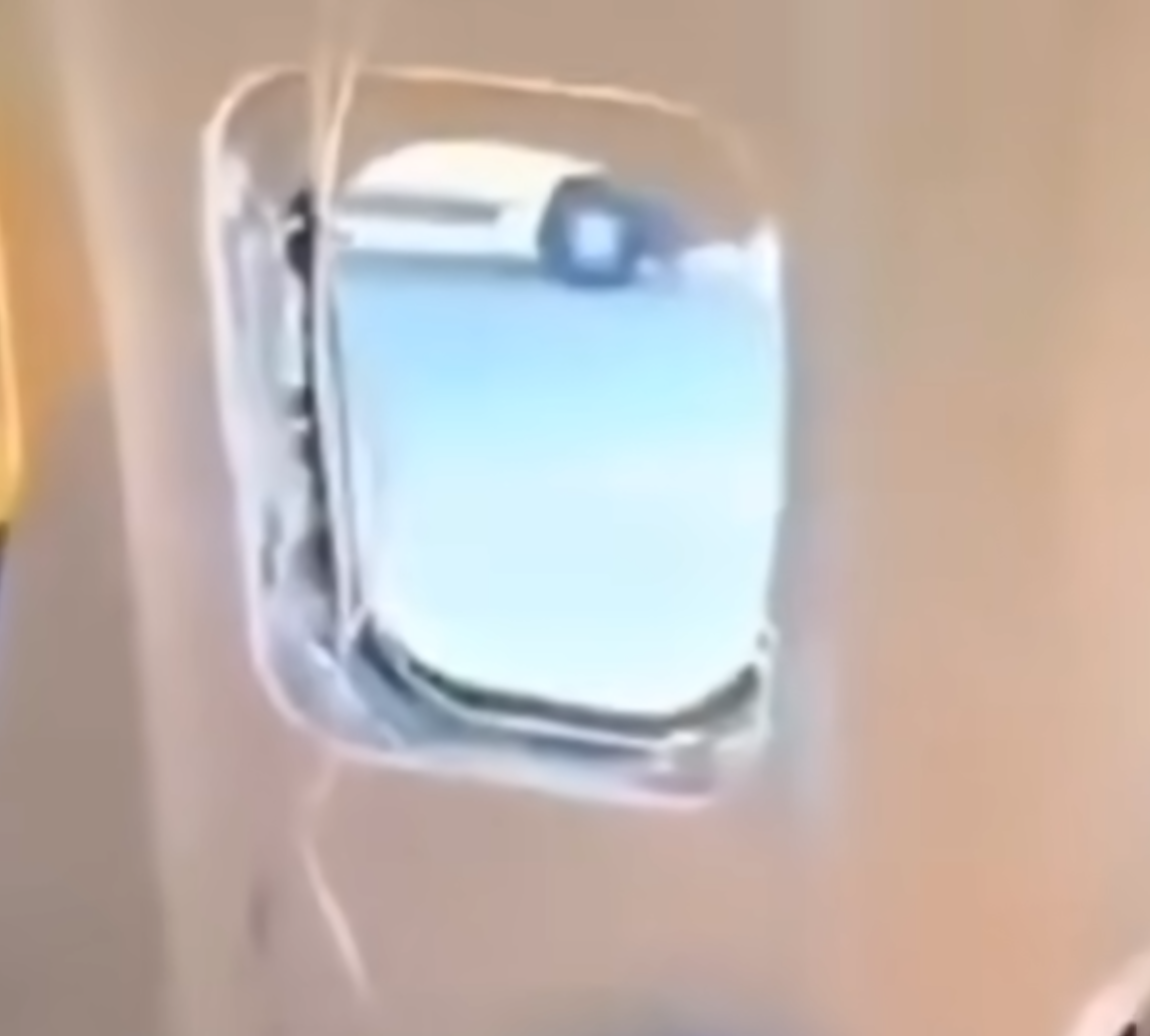
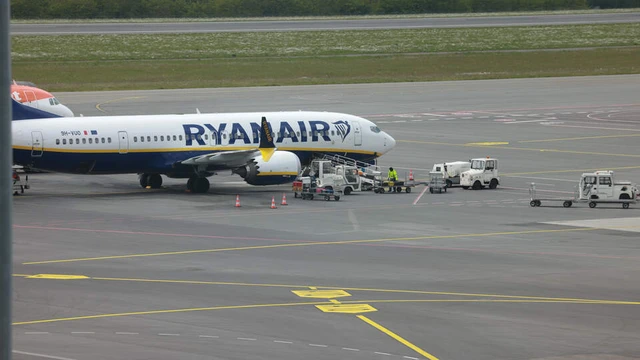
The aviation incident that occurred on June 10 aboard a Ryanair Boeing 737 serves as a chilling reminder of the precarious threshold between cabin comfort and the hostile environment of high altitude. During a flight from Thessaloniki to Memmingen, one of the aircraft's windows shattered, triggering an instantaneous decompression. Preliminary reports suggest the catastrophic failure was caused by an impact from debris that had broken off from the engine.
The physics of the event were relentless: the massive pressure differential between the pressurized cabin and the thin external air created a powerful vacuum effect. A 61-year-old Serbian passenger was violently drawn toward the breach, eventually being sucked out of the aircraft up to his shoulders. The only factor preventing him from being ejected entirely was his fastened seatbelt, which anchored him to his seat.
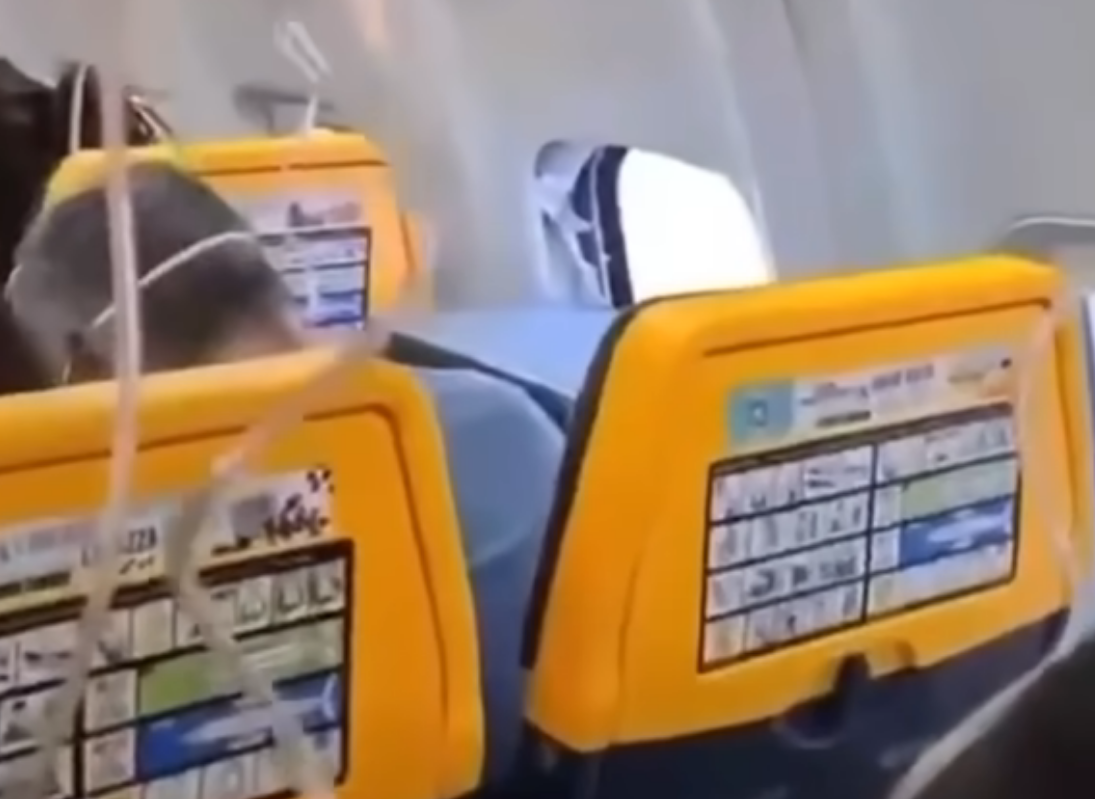
Witnesses described the moment of failure as a sharp crack, reminiscent of a bursting tire, followed by immediate chaos and panic. The oxygen system deployed automatically, dropping masks throughout the cabin. The passenger's life was saved by his wife, who sat beside him; demonstrating remarkable fortitude, she managed to pull him back into the cabin by his legs. Despite being rescued, the man suffered severe injuries, including fractures and facial burns caused by extreme thermal shock and the force of the high-velocity airflow. The crew promptly decided to return to Thessaloniki, where the aircraft made an emergency landing.
This incident does not appear to be an isolated occurrence when viewed against the broader backdrop of technical failures plaguing modern Boeing aircraft. In January 2024, global attention was captured by an incident involving an Alaska Airlines Boeing 737 MAX 9. In that instance, during a climb to approximately 15,000 feet, a door plug was violently ripped from the fuselage. The subsequent investigation revealed that the cause was missing bolts—a gross assembly error that pointed to a systemic crisis in production quality control.
Parallel to this, other structural integrity issues have been documented. On a Southwest Airlines Boeing 737-800 flight from Denver to Houston, a section of the engine cowling detached. The severed fragment struck the wing flaps, forcing the pilots to execute an emergency landing.
The convergence of these events points to a disturbing pattern. When dealing with decompression or the loss of structural components, the stakes transcend mere technical glitches; they involve the risk of catastrophic loss of control or mass casualties. The Ryanair incident underscores that in critical moments, standard safety measures like seatbelts become the final barrier between life and death, while the reliability of Boeing's materials and assembly processes demands the most rigorous scrutiny from global aviation authorities.
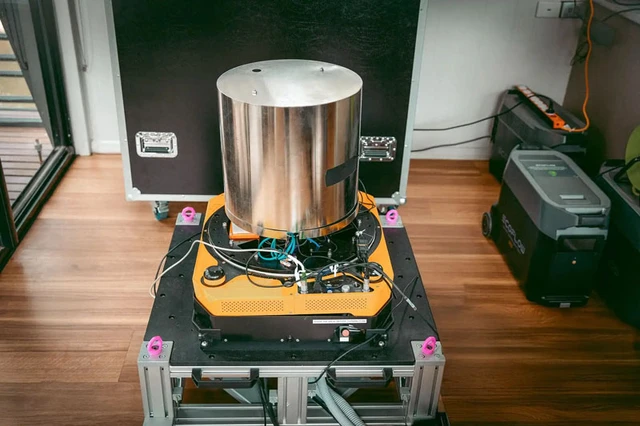 Navigating via Earth's Gravitational Anomalies