The promises of "smart cities" often mask a perilous flaw: an implicit, blind reliance on automated surveillance. When AI is cast in the role of detective, a trivial data-entry error can transform a law-abiding citizen into a prime suspect in a matter of seconds. A recent incident in Minnesota involving the Flock camera system serves as a stark illustration of how algorithmic rigidity can catalyze unjustified police aggression. This case exposes the precarious boundary between the pursuit of public safety and the systemic failure of digital identification.
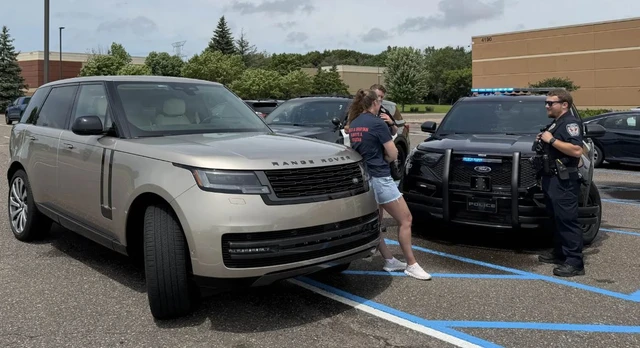
The scene played out like a high-stakes thriller: a routine exit from a suburban shopping center parking lot in Minnesota suddenly escalated into a full-scale police operation. Four patrol cars, orders to exit the vehicle with hands raised, and an hour of agonizing tension at gunpoint. The catalyst for this overkill? The driver of a $155,000 Range Rover had been flagged as a car thief in the Flock system database.
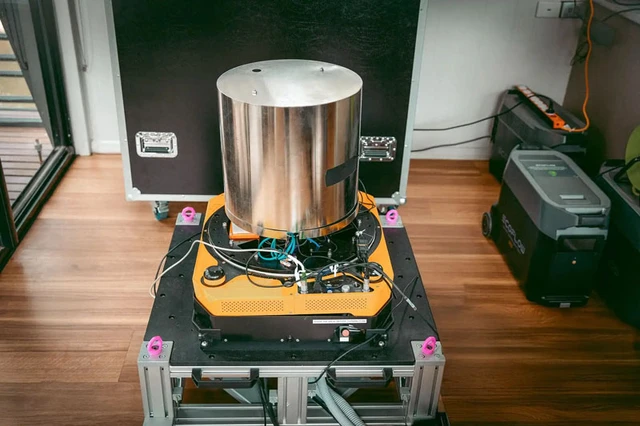
Flock is a network of "smart" cameras specializing in Automatic License Plate Recognition (ALPR). In this instance, the Plymouth Police Department had been tracking the vehicle's movements for several days, waiting for the opportune moment to make an arrest. The paradox was that the car was part of the manufacturer's official press fleet, with its movements strictly logged by dealership services. Even a VIN check confirmed the vehicle's legitimacy, yet officers remained convinced that the license plates had been stolen.
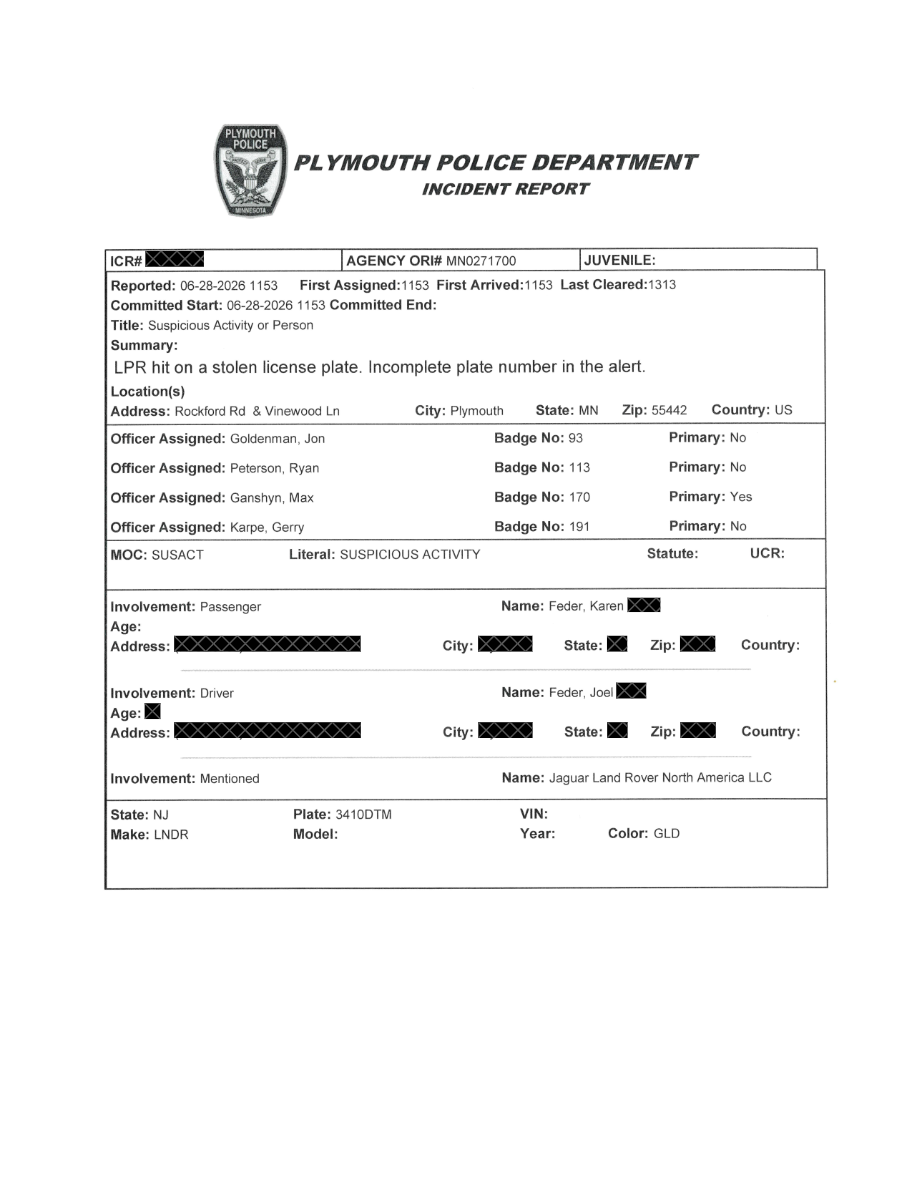
The root of this perilous misunderstanding was a banal human error amplified by the algorithmic blindness of AI. The vehicle bore non-standard New Jersey manufacturer plates. A peculiar feature of these plates is that certain digits in the combination—in this case, the "10" in "34 10 DTM"—are printed in a significantly smaller font.
When a Jaguar Land Rover dealership in Los Angeles reported a missing plate with the number "34 03 DTM," a police officer simplifying the data entry for the Flock system recorded the number as "34 DTM," ignoring the smaller digits. The AI, configured to find matches based on primary characters, began identifying any vehicle with a similar plate structure as a target of interest. Consequently, the Range Rover with plate "34 10 DTM" became the perfect target for the algorithm.
This was not an isolated glitch, but a systemic failure. It was later revealed that within the same week in Minnesota, the Flock system had erroneously flagged four other JLR vehicles as "stolen" due to their similar factory plate format (34 ## DTM). Thus, a technical quirk of press fleet marking, combined with operator negligence, effectively turned a group of luxury cars into "digital fugitives" across the entire Flock-integrated camera network.
The irony of the situation is heightened by the timing: the incident occurred just two weeks after a major investigative report detailed the privacy risks and the transformation of Flock cameras into tools for mass surveillance. The case serves as a vivid illustration of how theoretical fears regarding a "digital panopticon" manifest in real life, leaving an individual hostage to a database error that is impossible to dispute in real-time.
The crisis of trust in such systems is a global phenomenon. In the United States, instances of radical resistance are already emerging; for example, a US Air Force engineer came under investigation after destroying more than ten Flock cameras. Public outcry has also targeted the attempted integration of Flock with the Ring ecosystem. The "Community Request" program allowed police to request video footage from private Ring cameras via the Neighbors app, effectively turning private households into nodes in a state surveillance network. However, following mass protests from privacy-concerned users, the partnership between the two companies was terminated.
The Range Rover incident in Minnesota serves as a stark reminder that the automation of law enforcement, devoid of rigorous human oversight and critical data analysis, leads to dangerous consequences. When an algorithm becomes the sole "source of truth," a simple typo in a police report can escalate into an armed standoff in a supermarket parking lot.
 The Expansion of Semiconductor Foundry Giants