The era of specialized connectors is swiftly fading, yielding to the vision of a single, unified port. For decades, HDMI stood as the gold standard for video output, providing an uncompromising bridge to external displays. Today, however, industrial design is pivoting toward a regime of radical minimalism and multifunctionality. This transition signals a fundamental transformation in the very nature of how users engage with their peripherals.
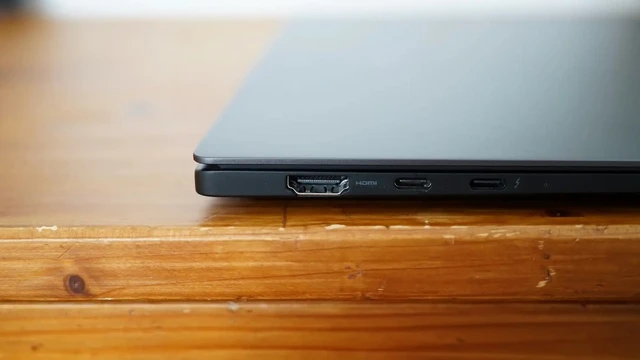
Today's portable computing landscape is defined by a relentless drive toward optimization, where every millimeter of internal chassis space has become a battleground. One of the most visible casualties of this race is the gradual disappearance of the full-sized HDMI port. In the pursuit of ultra-thin and lightweight form factors, the bulky HDMI connector—which demands significant real estate on both the motherboard and the chassis edge—has become an obstacle to both aesthetics and ergonomics.
The era of single-purpose interfaces has given way to the ascendancy of USB-C, a standard that has fundamentally redefined the logic of device connectivity. By supporting a diverse array of protocols, this port has evolved beyond a mere data transfer tool. Depending on its specification, a USB-C port can transmit high-fidelity video and audio signals to external displays via DisplayPort Alt Mode, while simultaneously powering the device and managing peripheral communication. This convergence of functionality allows engineers to reclaim internal space without stripping the user of essential connectivity.
Central to this evolution is Thunderbolt technology. Operating as an extension of the physical USB-C interface, it dramatically expands channel bandwidth. This paves the way for external GPUs (eGPUs) and the ability to drive multiple high-resolution monitors through a single cable. It is Thunderbolt that transforms a laptop from a standalone device into a comprehensive workstation hub, rendering a dedicated HDMI port redundant for many professional user categories.
Yet, this pursuit of minimalism carries consequences that extend far beyond the mere removal of ports. Parallel to this trend is a troubling shift toward deep component integration: RAM and storage drives are increasingly soldered directly onto the motherboard. From an industrial design perspective, this is justified by space savings and a reduced chassis profile; however, from an operational standpoint, it creates significant liabilities.
This paradigm effectively dismantles the concept of modularity and upgradability. The user is essentially locked into the configuration chosen at the point of purchase, and the failure of a single memory module can turn a simple repair into a cost-prohibitive or entirely impossible procedure. Consequently, the industry faces a paradox: while devices are becoming more technologically sophisticated and aesthetically refined, they are losing flexibility and longevity—transitioning from tools for professional growth into high-end disposable consumer goods.
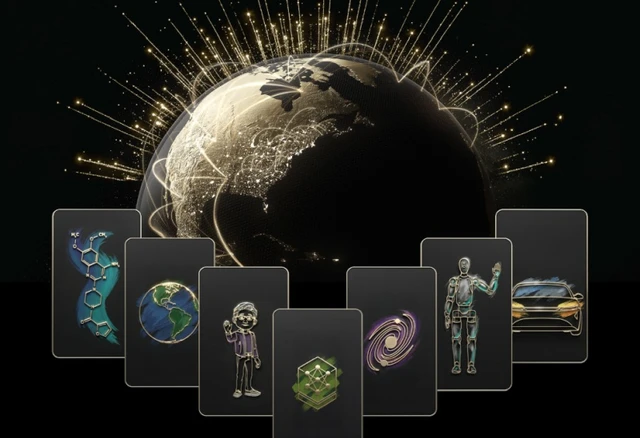 The Strategic Alliance of Nvidia and MediaTek