The global AI boom is generating staggering profits, yet the internal distribution of this wealth within corporations is frequently becoming a catalyst for profound social friction. When the financial windfall of a single division evolves into a privilege reserved for a select few, corporate loyalty inevitably erodes, replaced by a pervasive sense of inequity. The case of Samsung Electronics serves as a poignant illustration of how economic disparities between departments can trigger open dissent and even manifest as forms of creative protest. At the heart of this conflict lies a fundamental struggle for recognition and the equitable distribution of the dividends of technological advancement.
In the corporate culture of tech giants, emotion rarely drives business processes, yet it often serves as the catalyst for social unrest. At Samsung Electronics, employee discontent has manifested in an unexpected form: a melancholic ballad on YouTube titled "We Deserve This." This four-minute composition has become a manifesto for those left out of the windfall triggered by the explosive growth of the AI market. The lyrics—arguing that developing home appliances is no less valuable than producing chips—have resonated with tens of thousands, transforming an internal corporate dispute into a public case study.
The root of this schism lies in an unprecedented disparity in incentive structures. Employees in the semiconductor division, who supply the memory essential for AI accelerators, secured special payout terms through their unions. Consequently, some specialists in this sector may receive bonuses exceeding $400,000 per person. While a significant portion of this sum is paid in restricted stock, the sheer scale of the reward has created an insurmountable chasm between colleagues.
The payout gap between the "semiconductor" and "smartphone" cohorts has reached catastrophic proportions this fiscal year, with differences spanning two orders of magnitude. While the operating profit of the semiconductor business surged more than 200-fold in the second quarter, other divisions found themselves eclipsed by this success.
The situation is steeped in bitter irony. Samsung's mobile device division recorded operating losses for the first time last quarter. The paradox lies within the supply chain itself: the sharp rise in memory prices—which fueled the semiconductor wing's windfall profits—simultaneously drove up the cost of smartphone production, eroding their margins.
Historically, Samsung Electronics adhered to a strategy of cross-subsidization. Since the 1960s, the company has balanced its losses, using profits from one sector to prop up another. In the 1980s, as the company entered the semiconductor business, it funded the venture with revenues from home appliances and televisions. In 2023, when the memory market stagnated and the semiconductor business bled, those losses were offset by flagship smartphone sales. This is why the current selectivity in payouts is sparking such acute resentment: employees are accustomed to solidarity, only to find themselves facing a rigid stratification based on a division's "profitability."
The fallout of this policy has severely impacted the company's internal stability. Over the last two months, the membership of the union representing the "overlooked" employees has ballooned from 2,000 to 30,000. This mass migration toward unionization signals a profound erosion of morale. Against this backdrop, Chairman Lee Jae-yong’s appeals for unity and cohesion appear more as perfunctory gestures than actual management tools.
While the company plans to return approximately $72 billion to investors in dividends, the internal conflict continues to escalate. The situation at Samsung highlights a global trend: in an era of hyper-growth within specific technological niches, traditional models of corporate governance are failing, and the income gap within a single organization is becoming a source of systemic risk.
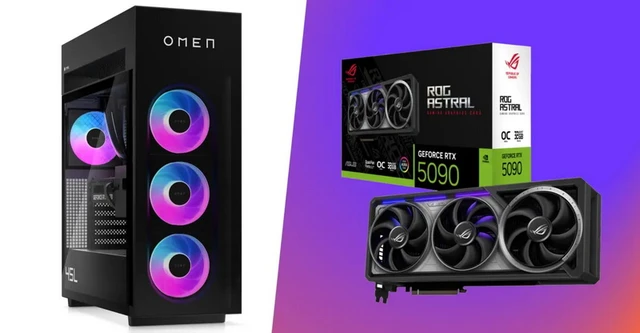 The Economic Paradox of the GeForce RTX 5090