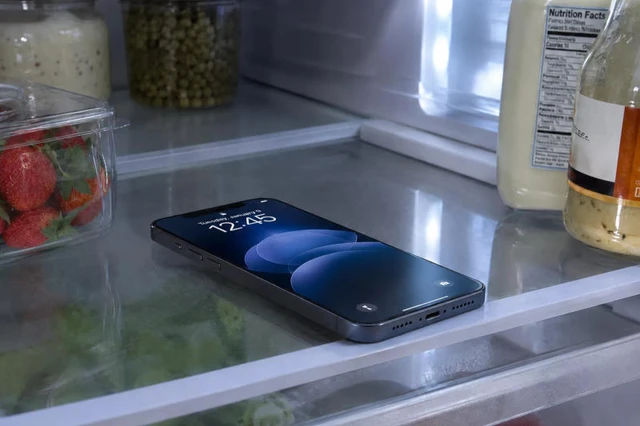
Abnormal heatwaves have emerged as a systemic global challenge, threatening not only ecological stability but the operational integrity of modern electronics. In a desperate attempt to combat overheating, users frequently resort to intuitive—yet perilous—cooling hacks. Viral trends across social media platforms often promote misguided techniques, such as placing devices in refrigerators for rapid thermal reduction. Such an approach defies fundamental laws of physics and inevitably leads to catastrophic hardware failure.
When a modern smartphone triggers a critical overheating alert or begins to throttle significantly, the average user instinctively seeks the most efficient way to restore performance. In the oppressive heat of summer, placing the device in a refrigerator—or even a freezer—seems like a logical and straightforward solution. This trend is fueled by viral social media clips framing the method as a "lifehack" for instant cooling. In reality, however, this strategy is a direct path to an expensive repair bill.
The primary danger lies in the physical process of condensation. When a heated device is plunged into a low-temperature environment, the air inside and around the chassis cools rapidly. Once the temperature drops below the dew point, water vapor transforms into liquid droplets. Moisture begins to accumulate on component surfaces, within charging ports, speaker grilles, and—most critically—directly onto the motherboard inside the sealed enclosure.
The risk intensifies the moment the device is removed from the refrigerator. The collision of an ice-cold chassis with warm ambient air triggers secondary condensation—the same phenomenon observed on the walls of a chilled glass. Moisture trapped inside the smartphone precipitates electrochemical corrosion and short circuits, potentially leading to total hardware failure or battery degradation.
Beyond humidity, there is the issue of thermal shock. Rapid temperature fluctuations create mechanical stress in materials with differing coefficients of thermal expansion. This can result in micro-cracks in the display glass, the failure of factory seals, and the degradation of adhesives that ensure water resistance. Furthermore, lithium-ion batteries are hypersensitive to extreme cold, which disrupts internal chemical processes, reducing overall lifespan or causing voltage instability.
This blind faith in "folk remedies" mirrors another pervasive tech myth: using rice to dry a wet phone. In the era of removable batteries, this method seemed plausible; for today's hermetically sealed smartphones, it is futile. Rice cannot effectively extract moisture from enclosed internal spaces; instead, rice dust and starch often clog ports and speaker meshes, complicating professional servicing.
A professional approach to managing overheating prioritizes gradual, natural cooling. The optimal solution is to move the device to a cool, shaded area, terminate power-hungry applications, or remove a thick case that obstructs heat dissipation. Any attempt at artificial, rapid cooling using household refrigeration is an unjustifiable risk—one that transforms a temporary technical glitch into a fatal hardware failure.
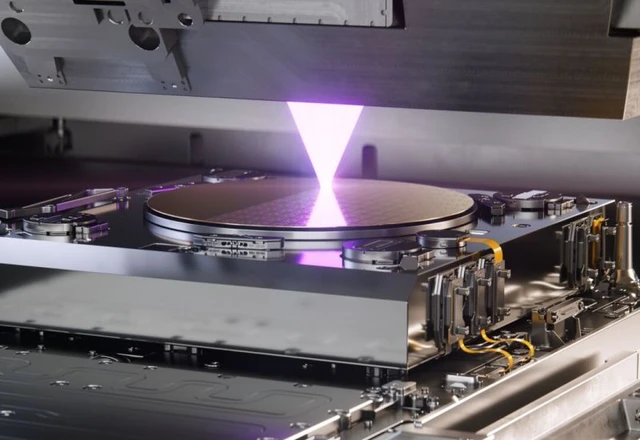 The Horizon of China's Technological Sovereignty in Lithography