The AI "gold rush" has reached an inflection point where capital expenditures are no longer correlating with tangible returns. Recent financial recalibrations at Google have precipitated a wave of deep skepticism on Wall Street, exposing a systemic vulnerability inherent to the entire industry. Massive infrastructure investments are colliding with stagnant monetization and fierce global competition. The market now holds its breath for an answer to the defining question: is this growth sustainable, or are we witnessing the inflation of a classic tech bubble?
Google's latest quarterly reports have sent a jarring signal to the market: the company’s expenditure forecast for 2026 has been revised upward, climbing from $190 billion to $205 billion. At first glance, a $15 billion discrepancy might seem negligible for a corporation with a multi-trillion-dollar market capitalization. However, for professional investors, this adjustment is a red flag signaling a loss of grip on financial planning. When a tech titan cannot accurately forecast its own overhead, it suggests a profound instability within the underlying business model.
The situation is exacerbated by the fact that Google has fallen into a classic trap: expenditures are outstripping revenue growth, while fierce competition forces AI model pricing to remain at rock bottom—or even decline. This creates a perilous precedent where the cost of maintaining infrastructure begins to cannibalize potential profits.

Google’s struggle is not an isolated incident; it reflects a systemic crisis across the entire AI ecosystem. Meta, Amazon, and Microsoft are expected to follow suit, hiking their projections for data center (DC) construction. The industry has entered a phase of hyper-investment, where capital expenditure on hardware has become a prerequisite for survival, yet offers no guarantee of commercial viability.
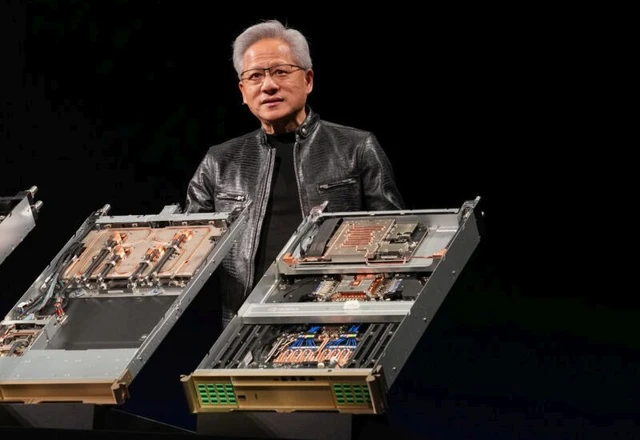
Analysts are particularly focused on the role of Nvidia, which has effectively evolved into the epicenter of the industry's circular funding loop. Negotiations over quarter-trillion-dollar deals and $250 billion in debt guarantees for OpenAI look less like a reflection of genuine market demand and more like an attempt to artificially sustain growth. If Nvidia is essentially subsidizing its own clients to maintain momentum, it suggests that organic demand for accelerators may be significantly lower than reported.
Adding further pressure is the success of Chinese innovations. The release of Moonshot AI’s Kimi K3 model has highlighted a trend that unnerves investors: Chinese developers are building competitive products despite restricted access to cutting-edge silicon. This challenges the prevailing narrative that owning a massive fleet of high-end accelerators is the sole path to dominance. If algorithmic efficiency can compensate for a lack of raw compute, Nvidia’s "hardware boom" could reach its conclusion far sooner than anticipated.
In this paradigm, the relentless construction of data centers begins to look like over-investment in infrastructure that may never fully break even. Experts believe the market is headed for an inevitable and severe correction, during which many AI-centric firms will simply vanish.
Nevertheless, modern venture capital continues to operate on a "winner-take-all" survivalist logic: investors are willing to bleed capital across dozens of failing projects in hopes of hitting the jackpot with one or two dominant players. While optimists await the market peak, some capital is already cautiously migrating toward other sectors, seeking sanctuary from the volatility of the AI segment.

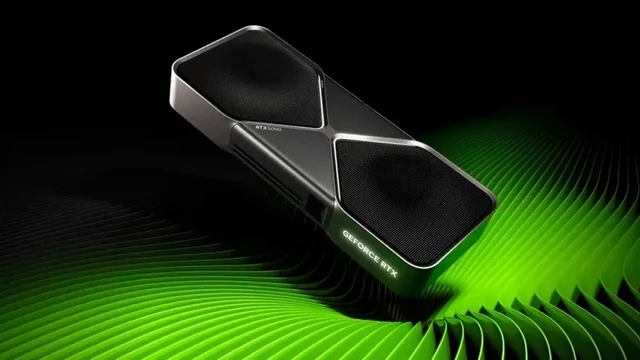 The Phenomenon of Chinese 96GB AI Accelerators