The contemporary consumer electronics market is grappling with a paradox: the exponential surge in computing power is colliding with a sharp spike in the cost of fundamental components. Amidst a global memory shortage, manufacturers are forced to strike a precarious balance between driving technological innovation and maintaining market affordability. In an unexpected pivot, Microsoft is stepping backward, reintroducing entry-level RAM configurations to its Surface lineup. This move exposes a profound tension between the lofty ambitions of the AI era and the stark constraints of economic reality.
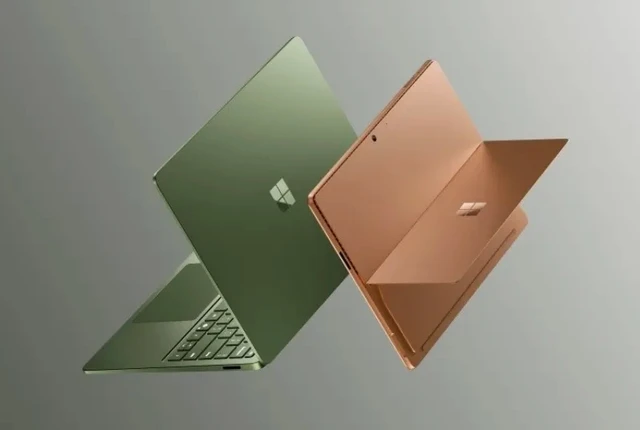
The semiconductor cost crisis and volatility in the memory market have forced Microsoft to recalibrate its device positioning strategy. To curb the rapid price escalation that pushed base Surface models past the $1,000 mark earlier this year, the company has introduced updated "budget-friendly" versions of the 12-inch Surface Pro and 13-inch Surface Laptop. The entry threshold for the ecosystem has now been lowered to $849 and $949, respectively.
Technically, these devices remain aligned with modern energy-efficiency standards, powered by Qualcomm Snapdragon X Plus processors and paired with 256GB SSDs. However, the pivotal change lies in the RAM, which has been slashed from 16GB to 8GB. In an era where the industry is pivoting toward the "AI PC" standard, such a move feels less like a deliberate technological choice and more like a forced compromise.
This reduction in memory inevitably degrades the user experience. Windows 11 is a resource-intensive OS, and to ensure stability on 8GB configurations, Microsoft is forced to make software concessions. In this context, "optimization" translates to the forced disabling of several power-hungry and resource-heavy features, including interactive widgets and advanced AI tools. Consequently, the consumer receives a device that is more affordable but functionally limited compared to the full-fledged versions.
It is worth noting that Microsoft isn't abandoning high standards entirely; rather, it is shifting toward aggressive market segmentation. For professionals and enthusiasts who require peak performance and the full AI feature stack, models with 16GB of RAM and above remain available. Flagship solutions, such as the 8th generation Surface Laptop and 12th generation Surface Pro, remain firmly in the premium segment with prices starting at $1,499, maintaining their status as uncompromising workstations.
There is a certain historical irony at play here. In the early days of personal computing, Bill Gates famously asserted that 640KB of memory would be sufficient for any user's needs. Decades later, the corporation he founded is returning to this notion of "sufficiency," attempting to convince the market that 8GB of RAM is an acceptable compromise for basic workflows in a world that has only just entered the era of generative AI.
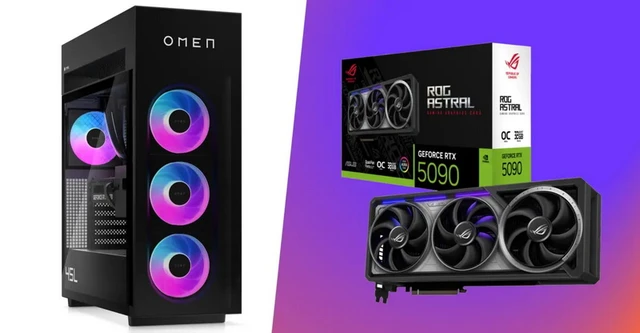 The Economic Paradox of the GeForce RTX 5090