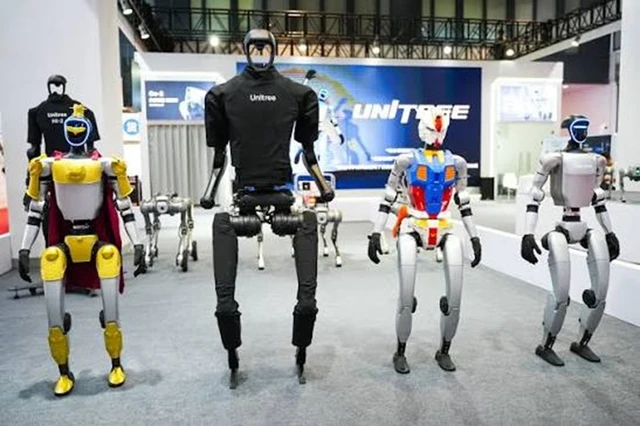
The global race to develop general-purpose humanoid robots has evolved into a high-stakes geopolitical battlefield between the United States and China. The trajectory of Unitree serves as a stark illustration of the perilous divide between technological optimism and market reality. The meteoric rise and subsequent crash of its valuation following the IPO have exposed the systemic risks inherent in speculative capital within the Deep Tech sector. Ultimately, this narrative serves as a cautionary tale of how national ambitions, coupled with market hype, can fuel the creation of a financial bubble.
Unitree's public debut began with a fervor bordering on religious ecstasy. On the day of its listing on the Shanghai Stock Exchange, shares of the humanoid robotics manufacturer surged 460% above the IPO price, instantly inflating the company's market capitalization to an astronomical $66 billion. The frenzy was so intense that demand during the subscription phase outweighed supply by 8,000 to 1, turning the offering into a high-stakes lottery for those desperate to board the "technological revolution" train.
However, the euphoria proved fleeting. A week later, the market underwent a brutal correction: following three days of relentless decline, Unitree's asset value plummeted 45% from the previous Wednesday's peak. While quotes stabilized by mid-week, the crash served as a stark warning, highlighting the excessive speculation fueling the initial surge and potential systemic flaws within the IPO process itself.
The catalyst for this ascent was less about operational efficiency and more about the geopolitical climate. Investors viewed Unitree as a vehicle for China's state strategy to achieve technological hegemony over the United States. The company's placement on the STAR Market—a specialized hub for high-tech enterprises in strategic sectors—was interpreted by the market as a direct signal of Beijing's endorsement. To speculators, Unitree became the embodiment of a narrative centered on a global economic pivot where robotics replaces human labor.
Nevertheless, analysts maintain a more pragmatic outlook. The Unitree case suggests structural sluggishness within the Chinese market rather than genuine prosperity in the robotics sector. The core issue lies in the fundamental disconnect between R&D investment and commercial viability. Despite the colossal capital poured into the development of anthropomorphic systems, a tangible consumer market and a sustainable stream of commercial orders remain elusive.
Ultimately, the Unitree saga reaffirms a classic law of financial markets: any bubble inflated solely by expectations and ideological narratives is destined to burst. When the initial excitement is replaced by a demand for concrete financial metrics, it becomes clear that even the most advanced robots cannot bypass the basic economic logic of profitability.
 The Economic Paradox of the GeForce RTX 5090