The global artificial intelligence boom has entered a phase of critical reckoning. Investors are pivoting away from blind faith in perpetual growth, now demanding tangible ROI metrics for the massive capital expenditures poured into infrastructure. This paradigm shift has triggered acute volatility across the semiconductor sector, transforming the market into a high-stakes environment. The precipitous decline in Kioxia's valuation serves as a stark bellwether for this systemic crisis of expectations.
The contemporary equity markets are flashing warning signs that the era of unconditional AI optimism is giving way to a period of hard pragmatism. Investors are increasingly questioning the actual ROI of multi-billion dollar investments in compute power and data storage. Consequently, chipmakers—once regarded as "safe havens" for capital—have become subject to sharp, high-amplitude volatility.
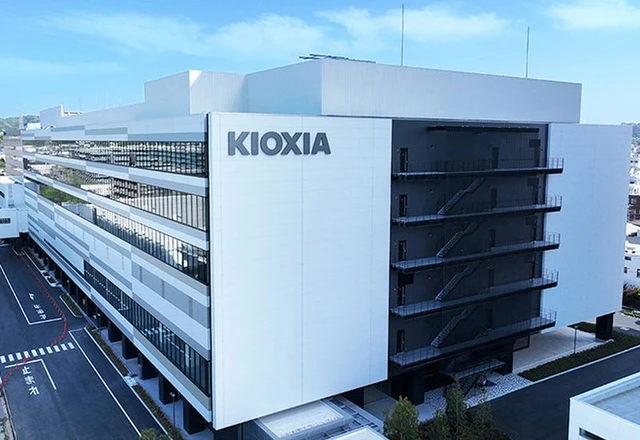
The most striking example of this turbulence is Kioxia. In mid-June, the company experienced a meteoric rise in market capitalization—surging 600% since the start of the year—briefly eclipsing Toyota Motor as Japan's most valuable corporate entity. However, the triumph proved ephemeral: within a single month, the company's valuation plummeted by half from its peak.
The scale of the correction is staggering. In a single Tokyo trading session, Kioxia's shares crashed by 16%, with the cumulative decline from its all-time high reaching 52%. In monetary terms, this represents a loss of approximately $185 billion in market value. Such violent price action indicates that the market has shifted from a state of euphoria to a search for fundamental valuation justifications.
It is critical to recognize that the memory sector is historically prone to intense cyclicality. Periods of excessive optimism and rapid price appreciation inevitably yield to downturns when supply begins to outstrip demand or when market expectations prove overextended. The current situation with Kioxia is not merely a byproduct of the general sentiment surrounding AI, but a manifestation of the classic market mechanisms inherent to the semiconductor industry.
This overarching pessimism is amplified by signals from the US market, where the semiconductor sector is also trending downward. TSMC's capital expenditures (CapEx) have drawn particular scrutiny; their growth has effectively neutralized investor optimism regarding revenue acceleration. When the cost of building infrastructure outpaces the profits derived from its operation, the market reacts instantly and painfully.
An additional catalyst for Kioxia's decline was an internal corporate factor: the sale of a significant stake by Bain Capital. Given that the fund was instrumental in the company's formation following the acquisition of assets from Toshiba, its exit was interpreted by the market as a signal for a massive sell-off.
Despite the current crash, long-term forecasts remain ambiguous. Analysts believe that growth potential persists in the medium term, projecting an annual return on investment for the memory manufacturer at 118% by the end of next year. This highlights the central paradox of the modern tech industry: the fundamental necessity for AI-driven memory remains absolute, yet the financial instruments used to realize it are undergoing a painful purging of speculative bubbles.
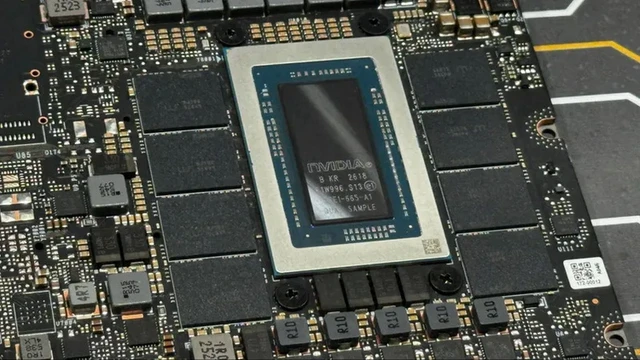 Nvidia N1X and the New Era of Arm PCs