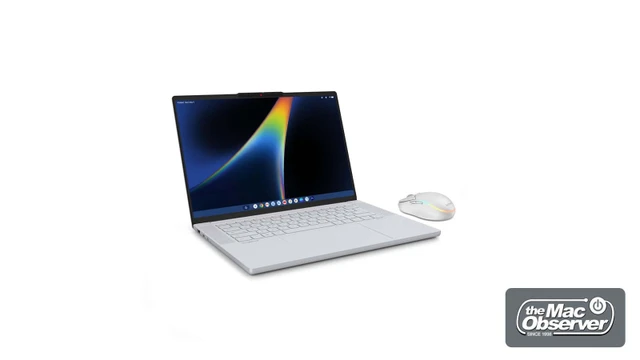
The PC industry is undergoing a profound transformation, characterized by the seamless convergence of hardware and software into a unified ecosystem. The debut of the Googlebook series signals a new chapter in Google's strategic partnerships with the world's leading hardware OEMs. Recent leaks regarding the specifications of the Lenovo model confirm a decisive pivot toward the uncompromising premium segment; this device is engineered to redefine the benchmark for productivity and aesthetics, embodying the modern vision of a mobile workstation.
The strategic positioning of the new Googlebook lineup was envisioned from the outset as a calculated foray into the high-end market, and the technical profile of the Lenovo Googlebook 15 fully validates these ambitions. At its heart lies the Intel Core Ultra 5 325—a processor engineered not just for raw computational power, but for efficient AI workloads via its integrated NPU. This hardware foundation is bolstered by up to 32GB of LPDDR5x RAM, ensuring ample bandwidth for demanding multitasking and heavy-duty professional workflows.
The visual experience is anchored by a 15.3-inch touch-enabled OLED display. With a resolution of 2880 × 1800 pixels and a 120Hz refresh rate, the screen evolves into a professional-grade tool, delivering flawless color accuracy and a fluid interface. Power is supplied by a 70Wh battery, offering approximately 11 hours of active use—a respectable benchmark for a device in this class.
The laptop's ergonomics and physical footprint reflect a commitment to lightweight design without compromising structural rigidity. Measuring 341 × 236 × 15.9 mm and weighing just 1.29 kg, it is a truly mobile workstation. Particular attention has been paid to the user interface: it features a massive 150 × 95 mm haptic touchpad that simulates a physical click. The I/O array includes two modern Thunderbolt 4 (USB Type-C) ports, a legacy USB Type-A, HDMI 2.0, and an audio jack, eliminating the need for cumbersome dongles.
The tech stack is further enhanced by Wi-Fi 7 and Bluetooth 5.4 support, effectively future-proofing the device against upcoming networking standards. However, the most intriguing details are the aesthetic and functional innovations. A light strip, dubbed the "Glowbar," now appears on both the laptop lid and the accompanying "AI mouse." While the exact purpose of this lighting remains enigmatic, it underscores the product's premium status. The keyboard layout also introduces a dedicated Google key, integrated directly into the bottom control row.
The security suite is particularly noteworthy. Alongside a fingerprint scanner, the device implements Google's facial recognition. Industry whispers point to a system codenamed "Project Toscana," designed to offer a level of security and precision rivaling Apple's Face ID. The implementation of this technology in the Lenovo Googlebook 15 could serve as a pivotal incentive for users to migrate to the Google ecosystem.
Given the combination of features—from the OLED panel to the cutting-edge Intel silicon—the device's market price is expected to hover around $1,500. This reinforces the premise that the Googlebook is not chasing the budget mass market, but is instead aimed at creating a gold-standard product capable of competing with the finest offerings in the premium laptop space. Details on other configurations in the series, potentially from other Google partners, are expected to emerge shortly.
 Virtual Gamepads within the Google TV Ecosystem