The contemporary corporate landscape is undergoing a rapid metamorphosis, driven by the ascent of the AI era. Traditional benchmarks of success are being supplanted by a more holistic framework—one where financial performance is inextricably linked to environmental stewardship and organizational culture. The latest rankings from Time reveal a seismic shift in power among the market's most influential titans. In this new paradigm, dominance is no longer measured solely by revenue, but by the agility to pivot amidst a global technological upheaval.
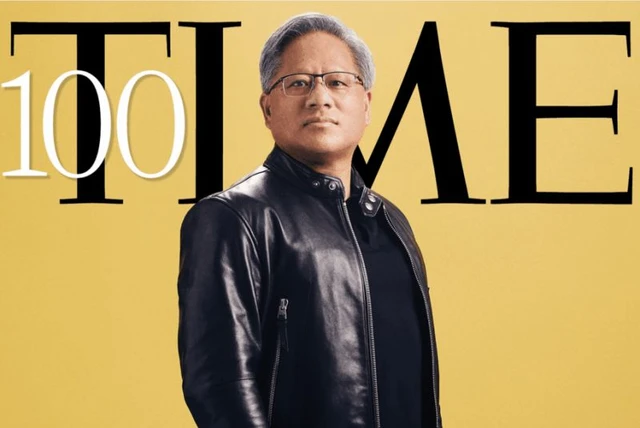
Evaluating the efficiency of a modern corporation has long since evolved beyond the narrow metric of net profit. Today, the benchmarks of success comprise three equally weighted pillars: employee satisfaction, revenue growth over a three-year cycle, and environmental sustainability. This multifaceted approach forms the basis of the latest Time rankings, which have revealed unexpected shifts in the balance of power among global giants.
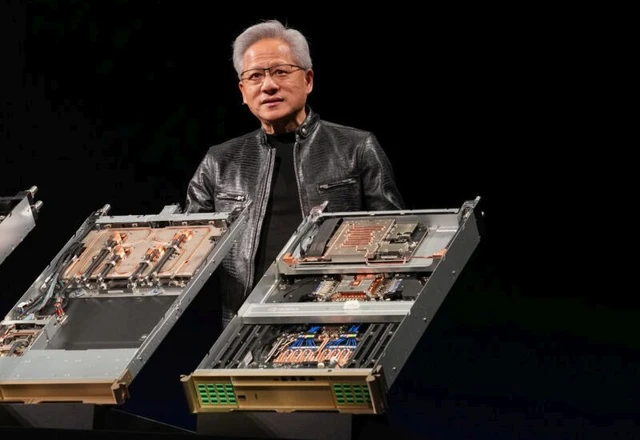
Nvidia emerged as the undisputed leader of the race, scoring 97.51 out of 100. This result logically reflects the company's current status as the primary beneficiary of the AI "gold rush." Nvidia has ceased to be merely a manufacturer of graphics chips, evolving instead into the bedrock upon which the entire modern computing infrastructure is built.
Apple, reclaiming its spot in the top ten, took third place with a score of 93.16. However, a detailed analysis of the company's metrics reveals internal contradictions. On one hand, Apple's financial trajectory remains impressive: July's revenue growth marked the most significant uptick since 2021, increasing by 10% year-over-year. On the other hand, the company is losing ground in corporate culture and ecology. While Apple was once the gold standard for sustainability transparency, it has now slipped to 24th place. A similar trend is evident in employee satisfaction rankings, where Apple has been overtaken by Microsoft and IBM.
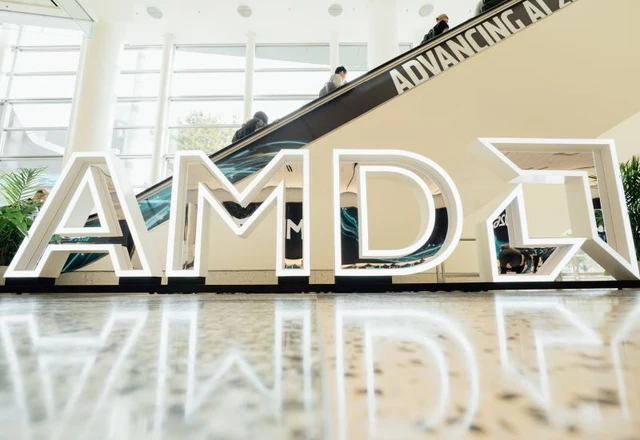
Following them are Meta Platforms and Microsoft, occupying fourth and sixth place, respectively. Notably, the presence of Deutsche Telekom in the top tier highlights the criticality of infrastructural connectivity in the era of Big Data. Rounding out the top ten is AMD, whose success is a direct consequence of the AI boom. An explosive 50% surge in second-quarter revenue was driven by massive demand for EPYC server processors, which have emerged as the primary alternative to dominant solutions in the data center market.
Against the backdrop of these victors, the decline of other industry heavyweights is particularly striking. Samsung Electronics and Taiwan's TSMC, despite their pivotal role in semiconductor fabrication, fell far outside the top ten, ranking 153rd and 182nd, respectively. An even more troubling situation is evident for HP Inc., which lagged significantly behind Dell and Lenovo.
The most telling indicator of the current crisis in traditional silicon leadership is the complete absence of Intel from the list. The company that defined the landscape of computing for decades proved unable to meet the rigorous criteria of the modern ranking, underscoring the dramatic nature of the current market transformation.
 The Phenomenon of Chinese 96GB AI Accelerators